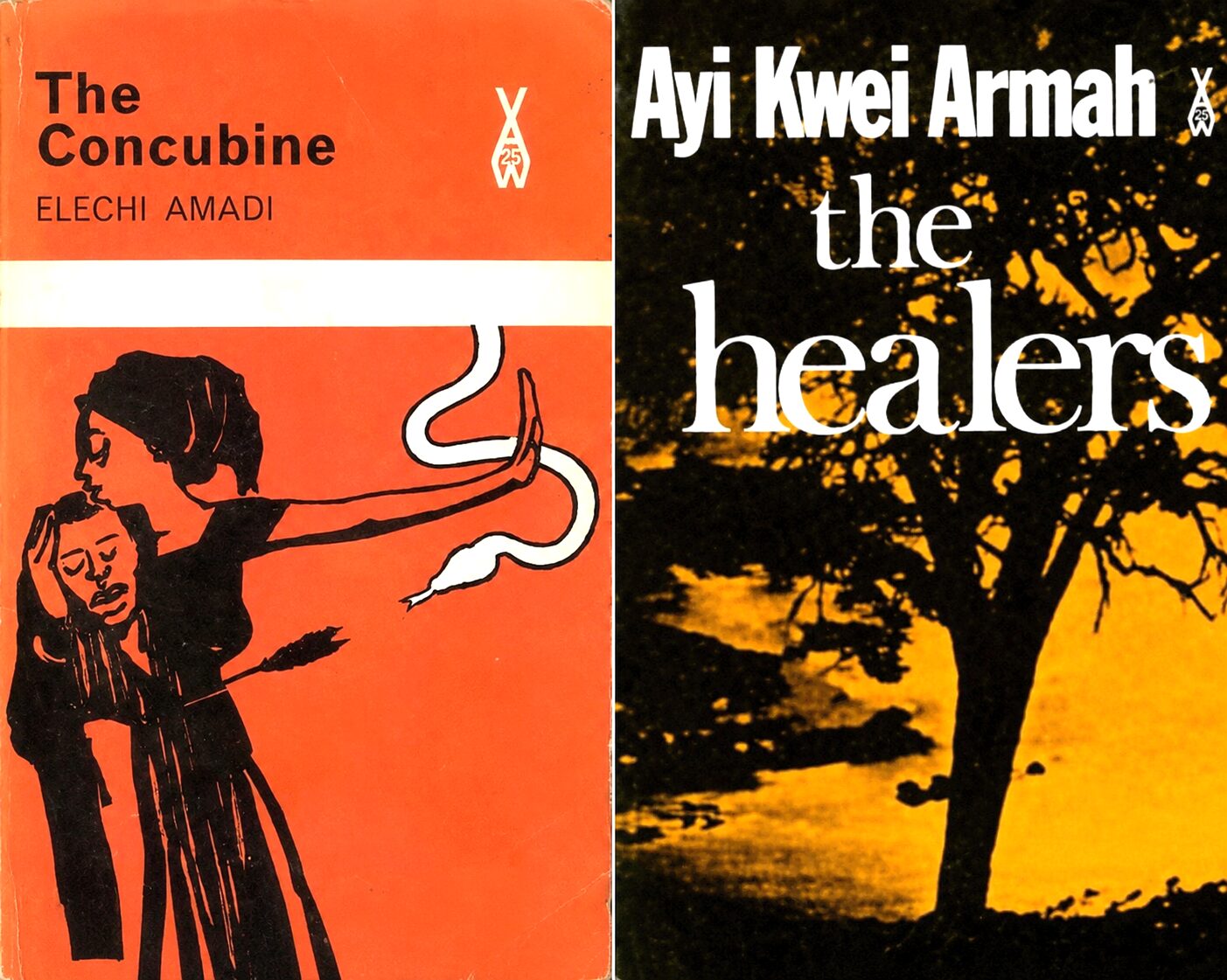
- Ayi Kwei Armah’s The Healers and Elechi Amadi’s The Concubine continue to offer valuable lessons for Kenyan learners.
- The novels encourage discipline, resilience, patriotism, responsibility and respect for education.
- Their themes remain relevant in shaping responsible citizens under Kenya’s evolving education system.
Ayi Kwei Armah’s The Healers and Elechi Amadi’s The Concubine remain two of Africa’s most influential literary works, offering timeless lessons that continue to resonate with Kenyan students in 2026.
Although the novels are set in different societies and historical periods, both challenge selfishness while encouraging discipline, resilience, responsibility and service to the community.
Lessons from The Healers
One of the strongest lessons in The Healers is the importance of patience in education.
The healers devoted years to learning, practising and acquiring wisdom before serving their communities.
For learners, the message is clear: academic success, professional competence and meaningful careers are built gradually through consistent effort rather than shortcuts.
The novel also emphasises focus and resilience.
Its central character, Densu, remains committed to his mission despite betrayal and adversity.
The story encourages students to remain focused on their academic goals despite distractions such as peer pressure, social media and the pursuit of quick wealth.
Another important lesson is the rejection of drug and substance abuse.
The novel demonstrates how greed and destructive behaviour weaken both individuals and society.
Young people are reminded that avoiding drugs protects not only their education but also their future.
The Healers further promotes respect for teachers and patriotism.
Teachers are presented as custodians of knowledge whose guidance should be valued.
The novel also warns against leaders who prioritise personal interests above national development, encouraging young people to contribute positively to society through education, discipline and responsible citizenship.
Students are equally cautioned against infatuation and other distractions that may divert them from their educational goals.
Lessons from The Concubine
Elechi Amadi’s The Concubine reinforces similar values through its memorable characters.
Ekweme symbolises hard work, responsibility and respect for tradition.
A successful palm wine tapper and hunter, he demonstrates patience, humility and careful decision-making.
His conduct teaches learners the importance of discipline, consistency and respect for cultural values.
In contrast, Emenike represents envy, impatience and selfishness.
Consumed by jealousy over his brother’s success, he creates unnecessary conflict within the family.
His character reminds students that bitterness and envy destroy relationships, while self-improvement and celebrating the success of others lead to personal growth.
The novel also explores the consequences of personal choices through the tragic experiences of Uhuoma.
Her story reminds young people that every decision carries consequences and that responsible choices are essential for a successful future.
Taken together, The Healers and The Concubine encourage Kenyan learners to become responsible citizens who value education, integrity, resilience and service to society.
By embracing patience, discipline, patriotism and hard work while avoiding the mistakes represented by characters such as Emenike, young people can contribute to building a stronger and more prosperous Kenya.
READ ALSO: Veteran educationist Philip Limpaso retires after 35 years of distinguished service
The enduring relevance of these African literary classics demonstrates that great literature not only entertains but also shapes character, leadership and national values.
By Enock Okong’o
You can also follow our social media pages on Twitter: Education News KE and Facebook: Education News Newspaper for timely updates.
>>> Click here to stay up-to-date with trending regional stories
>>> Click here to read more informed opinions on the country’s education landscape