- Rising cases of schools fielding ineligible players are undermining the integrity of secondary school sports competitions.
- Coaches, school administrators and fans are being urged to prioritise talent development over short-term success.
- The Competency-Based Education (CBE) curriculum emphasises nurturing learners’ talents, making fair competition more important than ever.
The recent football dispute involving Nasokol Girls and Annet Girls has once again exposed a growing problem threatening the credibility of school sports in Kenya—the increasing use of ineligible players.
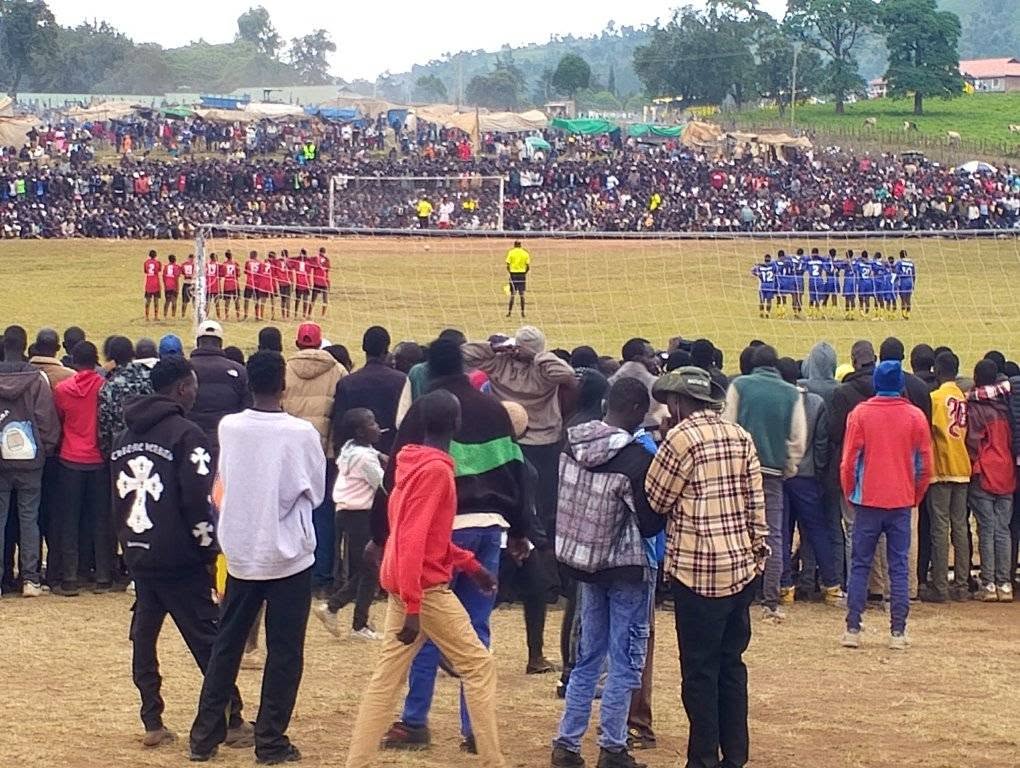
When defending Rift Valley girls’ football champions Nasokol Girls faced Annet Girls at Kaptabuk, fans from both schools packed the venue with high expectations.
The match lived up to the hype, with both teams displaying impressive skill, determination and entertaining football.
At the final whistle, Nasokol Girls emerged victorious.
However, the celebrations were short-lived.
Annet Girls immediately lodged an appeal, alleging that Nasokol Girls had fielded an ineligible player.
In a dramatic twist, Nasokol Girls also filed a counter-petition accusing Annet Girls of fielding an ineligible player.
Following investigations, county secondary school sports officials found that both schools had indeed breached competition regulations by fielding ineligible players.
The verdict was severe but clear—both teams were disqualified.
Unfortunately, this is no longer an isolated incident. Across the country, several schools are facing similar appeals, investigations and disqualifications over player eligibility.
Who should take responsibility?
The obvious question is: who should be held accountable?
Should the blame fall on coaches, members of the technical bench, school administrators or the institutions themselves?
In many cases, pressure to win appears to have overshadowed the true purpose of school sports.
The desire to secure promotions, build institutional reputation, satisfy supporters and maintain winning records has created an environment where some coaches and officials are tempted to recruit ineligible players at the expense of genuine students.
Ironically, the greatest victims are often the learners who legitimately belong to the schools.
Talented students lose opportunities to represent their institutions because their places are taken by outsiders recruited solely to win competitions.
CBE demands talent development
Kenya’s Competency-Based Education (CBE) places strong emphasis on identifying, nurturing and developing learners’ talents.
School sports are therefore intended to provide genuine learners with opportunities to discover and develop their sporting abilities while building teamwork, discipline, leadership and resilience.
When schools rely on “mercenaries” or ineligible players, they undermine the very philosophy upon which CBE is founded.
Winning trophies should never become more important than developing learners.
School administrators, coaches, technical officials and supporters all have a responsibility to protect the integrity of school competitions.
Success achieved through dishonest means is short-lived and often ends in embarrassment through disqualification.
Instead of searching for quick victories, schools should invest in identifying and nurturing talent within their own student populations.
Doing so will not only produce better athletes but also restore confidence in school competitions and ensure that victories are earned fairly on the field of play.
Ultimately, the greatest victory in school sports is not lifting a trophy but giving every deserving learner an equal opportunity to compete, grow and realise their potential.
READ ALSO: ICRHK recruits enumerators in Meru, Tharaka Nithi: KCSE candidates with grade C and above invited to apply
That is the true spirit of education—and the true meaning of sport.
By Martin Ruto
You can also follow our social media pages on Twitter: Education News KE and Facebook: Education News Newspaper for timely updates.
>>> Click here to stay up-to-date with trending regional stories
>>> Click here to read more informed opinions on the country’s education landscape