- CEMASTEA has launched virtual laboratories to strengthen practical teaching of science and mathematics in schools.
- More than 7,000 teachers are undergoing training, with 240 from Baringo County already completing the programme.
- The initiative aims to bridge laboratory shortages while promoting digital innovation in STEM education.
The Centre for Mathematics, Science and Technology Education in Africa (CEMASTEA) has begun rolling out virtual laboratories to schools across Kenya, giving teachers new digital tools to conduct practical science and mathematics lessons through interactive simulations.
More than 7,000 teachers are currently being trained to use the platform following its launch last week, with 240 teachers from Baringo County completing a three-day workshop at Solian Girls Secondary School in Eldama Ravine.
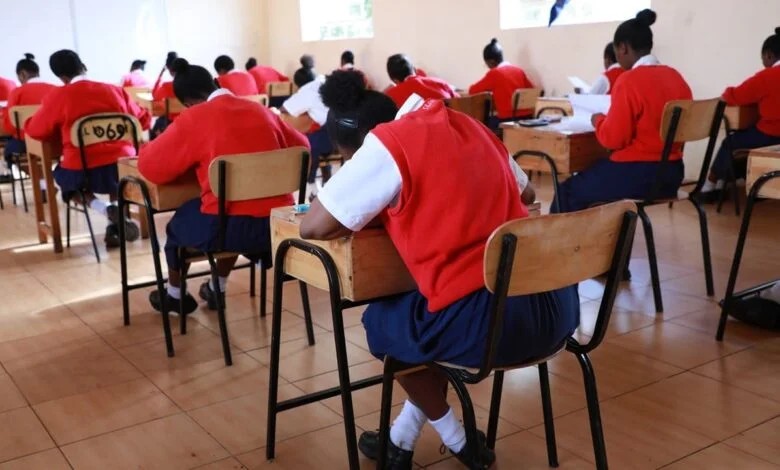
According to CEMASTEA Coordinator for Partnerships and Linkages Dr. Mary Sichangi, the initiative was developed after years of research identified theoretical teaching as one of the biggest barriers to effective Science, Technology, Engineering and Mathematics (STEM) education.
“Science subjects are practical by nature, yet many teachers are forced to teach them theoretically because of limited laboratory facilities. Virtual laboratories provide the practical experience learners need while strengthening teachers’ capacity,” she said.
Dr. Sichangi noted that teachers now have access to innovative teaching resources capable of improving classroom participation, learners’ attitudes towards science and overall academic performance.
“Through simulation and manipulation, learners are able to understand science and mathematics concepts more easily, making learning enjoyable and encouraging more students to pursue STEM careers,” she added.
The online platform is freely accessible to schools with ICT devices and reliable internet connectivity.
Strengthening digital learning
Baringo County Director of Education Dr. Kipruto Kosgei urged schools to fully embrace the innovation, describing it as an important complement to conventional science laboratories.
“The programme enables learners to repeat practical experiments several times while introducing them to ICT and online learning. It also enhances learner safety because students are not exposed to hazardous practical experiments,” he said.
Dr. Kosgei appealed to school heads to make available ICT equipment for Junior Secondary School teachers to facilitate lesson planning and classroom instruction.
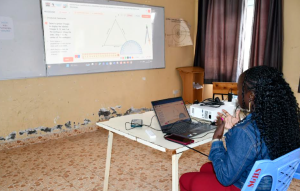
“We are appealing to school heads to ensure digital learning devices are available to teachers for lesson planning and delivery,” he said.
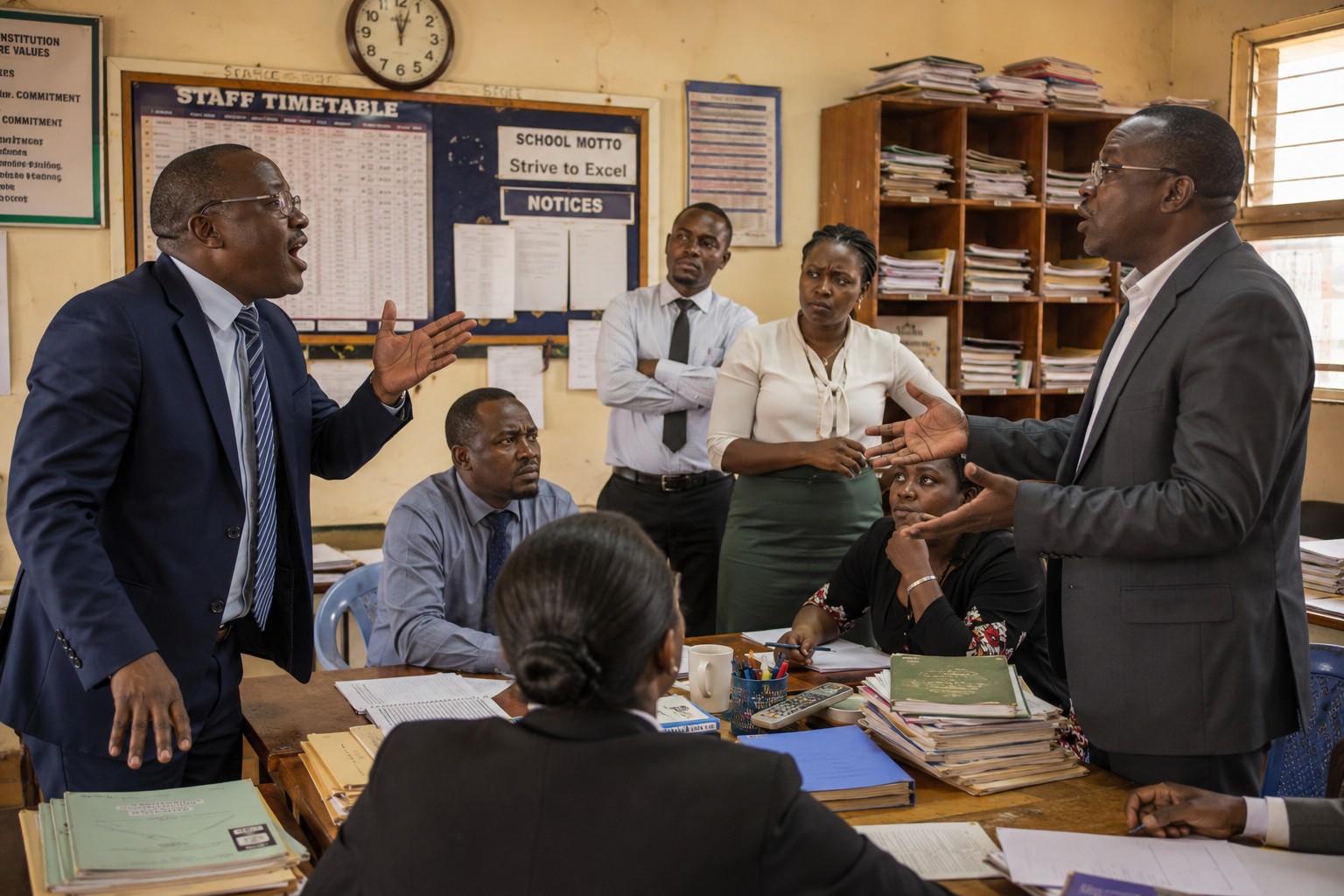
Teachers who participated in the training welcomed the initiative, describing it as a practical solution to one of the greatest challenges facing Junior Secondary Schools.
“Most schools do not have adequate laboratory facilities. This platform is a game changer because it enables us to teach practical science effectively,” said Ruth Kochei of Ngubereti Junior Secondary School.
Cheburet Kiptoo of Kabel Junior Secondary School said learners’ familiarity with digital technology would make implementation easier.
“Our learners are already enthusiastic about ICT gadgets, and the support from CEMASTEA will help us make science lessons more interactive and meaningful,” he said.
READ ALSO: Relief for children with hearing impairment as KUTRRH launches new treatment center
CEMASTEA expects to complete training for all remaining Junior Secondary School teachers by August 2026 as the Ministry of Education continues strengthening STEM education through digital innovation.
By Philip Koech
You can also follow our social media pages on Twitter: Education News KE and Facebook: Education News Newspaper for timely updates.
>>> Click here to stay up-to-date with trending regional stories
>>> Click here to read more informed opinions on the country’s education landscape