-
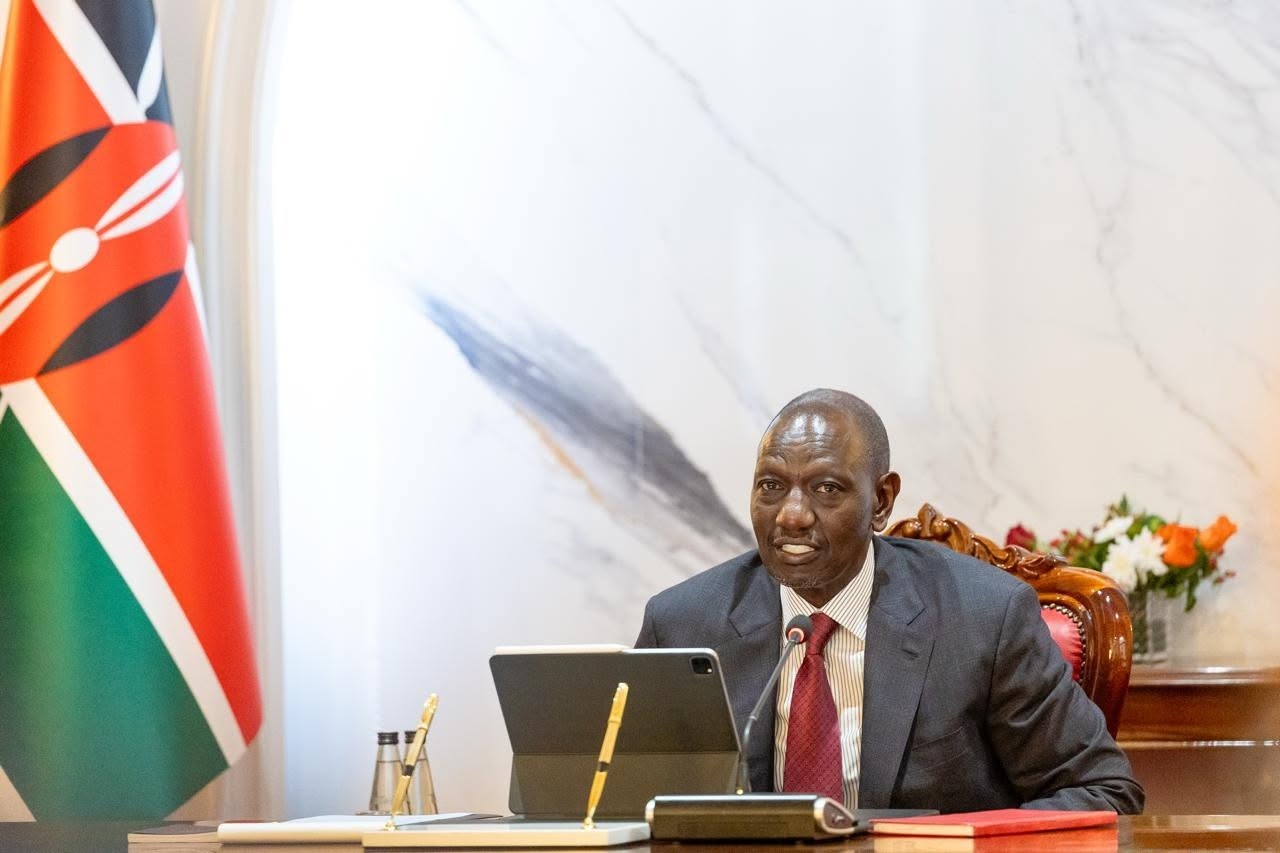
President William Ruto has ordered an immediate overhaul of Public Service payroll system in a major reform aimed at eliminating ghost workers, curbing payroll fraud and strengthening accountability in the management of public funds.
-
Under the new framework, employee records will be verified and integrated into a single national database, replacing the fragmented payroll systems currently used by different government institutions.
President William Ruto has directed an immediate overhaul of Public Service payroll system in a major reform aimed at eliminating ghost workers, curbing payroll fraud and strengthening accountability in the management of public funds.
The directive, issued during a Cabinet meeting, approves the establishment of a centralized payroll management framework that will harmonize salary processing across all ministries, departments and state agencies.
The reforms are part of the government’s broader agenda to enhance financial discipline, improve efficiency and modernize public service administration through digital technology.
Under the new framework, employee records will be verified and integrated into a single national database, replacing the fragmented payroll systems currently used by different government institutions. The centralized platform is expected to eliminate duplicate payroll entries, improve the accuracy of personnel records and seal loopholes that have contributed to financial losses over the years.
The government has long struggled with challenges such as ghost workers, duplicate salary payments and inconsistent employee records, all of which have inflated the public wage bill and undermined accountability.
Officials said the upgraded payroll system will link human resource data across government institutions in real time, enabling more accurate salary processing, easier verification of employee records and improved auditing of payroll transactions.
Kaptabuk: West Pokot’s next high-altitude athletics training camp to attract top runners
The government emphasized that the reforms are not intended to reduce salaries or target legitimate civil servants. Instead, the initiative seeks to safeguard public resources by ensuring that only verified and active employees receive government salaries.
Public servants have been urged to update and verify their personal and employment information to facilitate a smooth transition and avoid possible delays during the phased implementation of the new system.
The reforms are also expected to improve budget planning and expenditure management by providing the National Treasury with accurate and up-to-date payroll data. This will enable better forecasting of the government’s wage bill, reduce unnecessary spending and strengthen fiscal discipline.
The payroll overhaul forms part of Kenya’s wider digital transformation agenda, which has seen increased adoption of technology to improve service delivery, reduce corruption risks and modernize operations across government institutions.
If successfully implemented, the centralized payroll system could pave the way for similar reforms in other areas of public administration, including human resource management, pension administration and procurement.
However, successful implementation will require close coordination among ministries, departments and state agencies to ensure accurate migration of employee records and seamless integration into the new system.
ALSO READ:
Murang’a KUPPET warns teachers against KCSE examination duties over unpaid KNEC allowances
Authorities have directed all institutions to resolve any data discrepancies promptly to prevent disruptions in salary payments.
Despite the scale of the reforms, the government has assured public servants that legitimate employees will continue receiving their salaries without interruption as the new system is rolled out in phases with safeguards against technical failures.
Analysts say the initiative has the potential to significantly improve transparency and efficiency in public financial management, although its success will largely depend on accurate data, institutional cooperation and strict enforcement.
President Ruto’s directive signals the administration’s renewed commitment to tightening controls over public expenditure, reducing wastage and ensuring taxpayers’ money is managed prudently through a more transparent, efficient and accountable payroll system.
By Hillary Muhalya
You can also follow our social media pages on Twitter: Education News KE and Facebook: Education News Newspaper for timely updates.
>>> Click here to stay up-to-date with trending regional stories
>>> Click here to read more informed opinions on the country’s education landscape