- Agricultural experts have urged the national and county governments to introduce more practical agriculture programmes in schools.
- They say equipping learners with farming skills will strengthen food security and promote self-reliance.
- The proposal aligns with the practical learning approach under the Competency-Based Education curriculum.
Agricultural experts have urged the national and county governments to strengthen practical agricultural programmes in schools as a strategy to enhance food security and equip learners with lifelong farming skills.
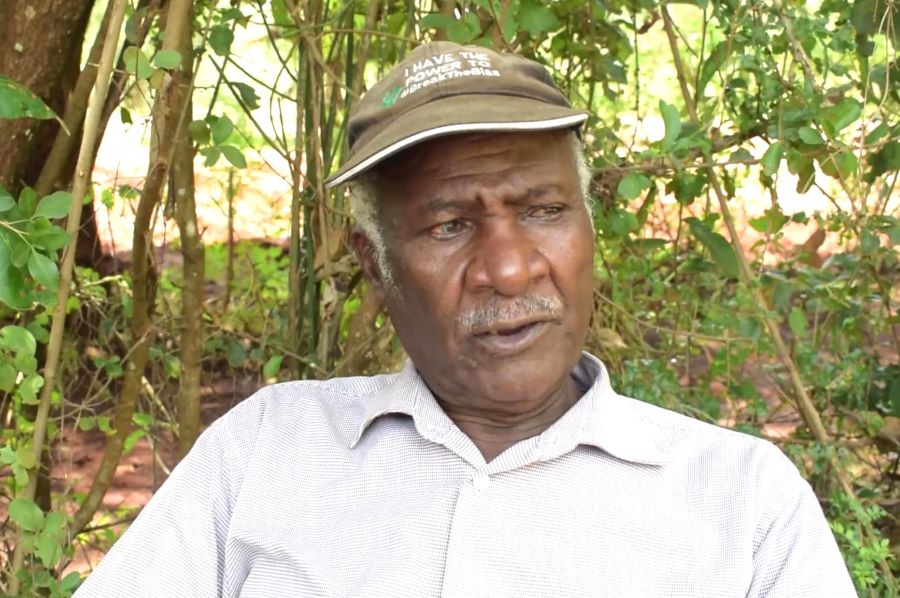
Volunteer agricultural extension expert and retired prisons officer John Peter Njiru said introducing practical crop and livestock production into schools would encourage young people to embrace agriculture at both school and household levels.
Mr Njiru argued that substantial resources allocated to agriculture by both levels of government should be invested in schools, where their impact would be felt both immediately and in the future.
Speaking to Education News at his farm in Kiamuringa, Mbeere South, Mr Njiru welcomed the Competency-Based Education (CBE) curriculum, noting that its emphasis on practical learning provides an ideal opportunity to strengthen agricultural education from the primary school level.
He, however, lamented that despite clear policy guidelines encouraging learners to participate in practical agriculture both at school and at home, implementation has remained slow.
The farmer, who specialises in crop production, said food insecurity could be significantly reduced if governments encouraged farmers to partner with nearby schools by allowing learners to visit farms for practical agricultural training.
“Food insecurity can be eradicated if learners in all schools are introduced to practical farming through programmes sponsored by both the national and county governments to visit farms near their schools and learn crop and livestock production firsthand,” said Mr Njiru.
Schools should establish demonstration farms
Mr Njiru questioned why, despite the introduction of Competency-Based Education, many schools were yet to establish operational farms or kitchen gardens where learners could acquire practical agricultural skills.
He observed that many schools, particularly in Embu County, have large tracts of idle land, some located near rivers and other reliable water sources, yet little effort has been made to utilise them for agricultural production.
According to him, this presents an opportunity for both the national and county ministries responsible for agriculture to channel some of their programmes into supporting food production projects in schools.
He further proposed that where water is limited, governments should invest in drilling boreholes and installing solar-powered water pumping systems to facilitate irrigation projects in learning institutions.
Preparing future farmers
Mr Njiru emphasised that shrinking agricultural land requires Kenya to rethink how future generations are prepared for food production.
He said learners should be equipped with practical knowledge on small-scale farming that can be applied at household and community levels.
The agricultural expert noted that he has spent years advocating for the introduction of agriculture to children from the earliest stages of learning, both at school and at home, but with limited success.
He urged the Government to adopt a new approach by treating agriculture as a strategic investment in national food security rather than focusing primarily on revenue generated through agricultural licensing and exports.
READ ALSO: Calls grow for formation of professors’ association to safeguard academic standards
According to Mr Njiru, strengthening practical agricultural education will not only produce more skilled farmers but also contribute significantly to Kenya’s long-term food security and sustainable development.
By Robert Nyagah
You can also follow our social media pages on Twitter: Education News KE and Facebook: Education News Newspaper for timely updates.
>>> Click here to stay up-to-date with trending regional stories
>>> Click here to read more informed opinions on the country’s education landscape
>>> Click here to stay ahead with the latest national news.