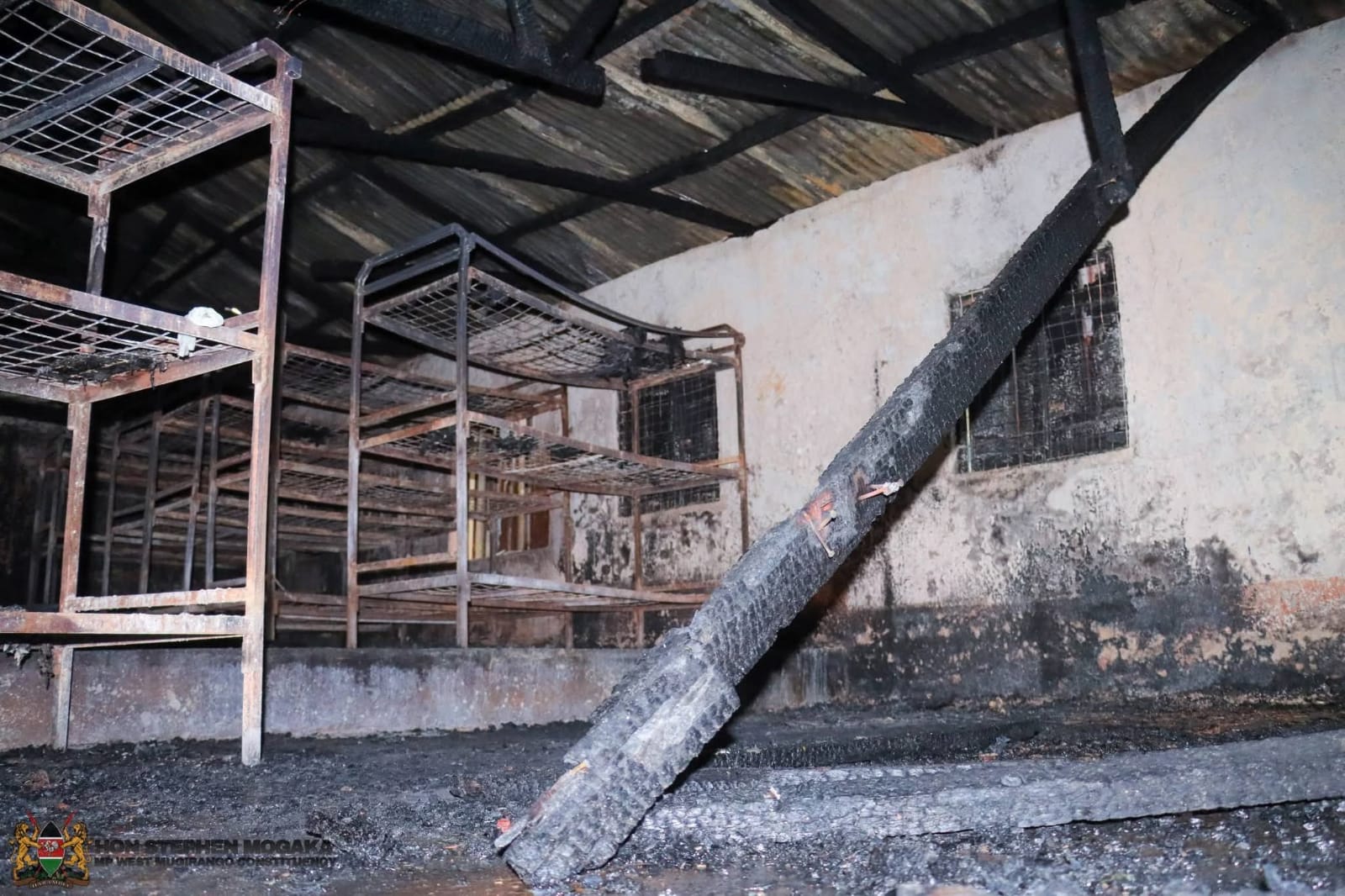
- School arson is destroying learning, displacing students and undermining Kenya’s investment in education.
- Dialogue, accountability and stronger student leadership offer better solutions than violence and destruction.
- Kenya must confront the root causes of school unrest while protecting institutions that shape future generations.
I write this with a heavy heart and a clear message: the burning of schools across the country must be condemned in the strongest possible terms. Arson is not a form of protest. It is self-sabotage. It is a reckless act that destroys dormitories, libraries, laboratories and classrooms—the very spaces that shape the next generation.
When fire consumes a school, it does not erase a management decision or resolve a grievance. Instead, it destroys desks, books, beds and valuable learning time that no student can ever recover.
Across the country, the aftermath of school arson is painful and predictable. Students are displaced, parents are burdened with unexpected expenses, and teachers are forced to improvise learning under trees or in temporary structures.
Syllabus coverage suffers, often just weeks before national examinations. Although the smoke eventually clears, the consequences remain—for the student who lit the match, the younger learner in Form One and the entire community that must rebuild what has been lost.
A plea to students
To every student reading this, I appeal to you: let reason guide your actions, not emotion.
Anger is human. Frustration over school rules, food or administration is real. However, when emotion overrides reason, the outcome is almost always destruction.
Our elders have spoken. Religious leaders have appealed for calm. Security agencies have issued repeated warnings. Yet the ultimate decision still rests with students themselves.
Pause before acting. Reflect before reacting. Choose dialogue over destruction and wisdom over impulse.
Looking beyond punishment
Expelling or imprisoning suspects cannot be the end of the conversation, nor will blaming school management alone prevent the next fire.
Kenya must confront the root causes of school unrest. This requires honest reviews of school discipline policies, student welfare programmes, communication structures, feeding programmes and grievance mechanisms, rather than creating commissions whose recommendations are never implemented.
The country can also learn valuable lessons from nations that have successfully reduced school unrest.
Rwanda strengthened student councils, institutionalised regular dialogue forums and promoted mentorship alongside firm accountability.
South Africa invested in mediation, psychosocial support and structured engagement with learner representatives while enforcing the law where necessary.
Japan cultivated a culture of shared responsibility by involving students in maintaining school facilities and encouraging open communication with teachers, reducing alienation and promoting collective ownership of the learning environment.
Reason tells students to use their student councils, write petitions, engage Boards of Management, involve their parents and escalate concerns through the Ministry of Education.
Reason tells them to protect the library because it belongs to them, protect the laboratory because it shapes their future and protect the dormitory because they will sleep there tomorrow.
Emotion says, “Burn it now.”
By morning, everyone wakes up homeless within the same school compound.
There are no winners in arson. There are only victims who share the same burnt classrooms, destroyed facilities and shattered dreams.
Protecting the future
A school is not the enemy. It is a shared home for learners, teachers and communities.
Let this become Kenya’s collective commitment: no more fires and no more excuses.
Leaders should be held accountable. Students should speak out when necessary. Parents and teachers should listen. But the institutions that nurture future generations must be protected.
The bitter consequences of arson are never borne by one individual alone. They are shared by families, schools and entire communities.
READ ALSO: Education fraternity mourns former Kapkechui Girls Principal Madam Lemlem
Ultimately, it is our children who pay the highest price.
By Enock Okong’o
You can also follow our social media pages on Twitter: Education News KE and Facebook: Education News Newspaper for timely updates.
>>> Click here to stay up-to-date with trending regional stories
>>> Click here to read more informed opinions on the country’s education landscape