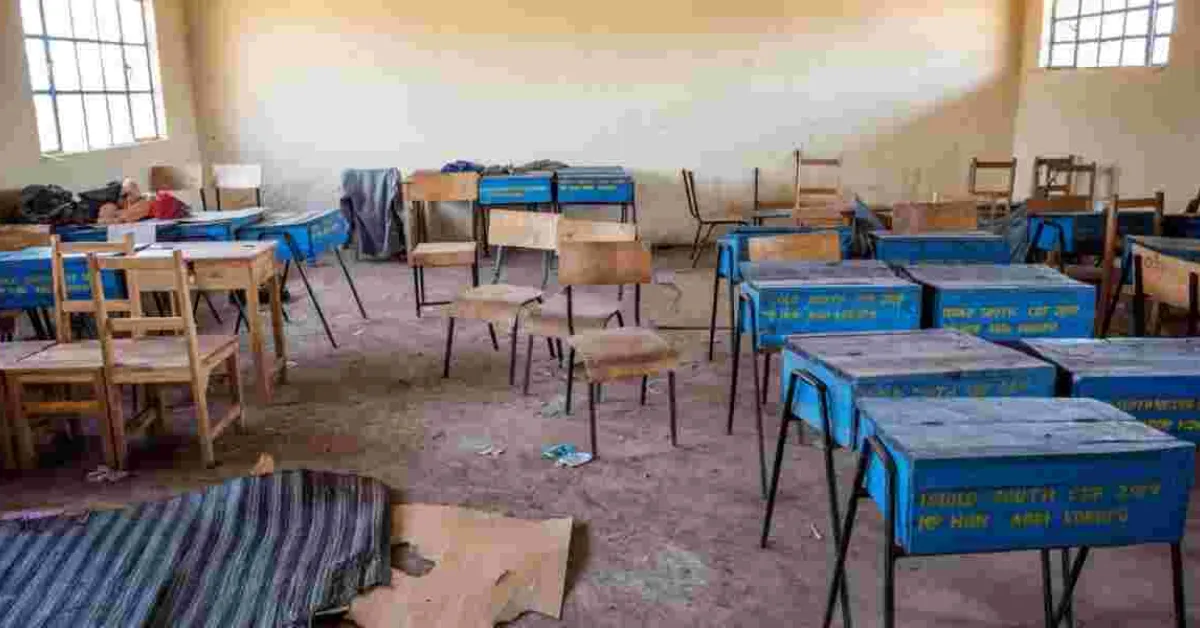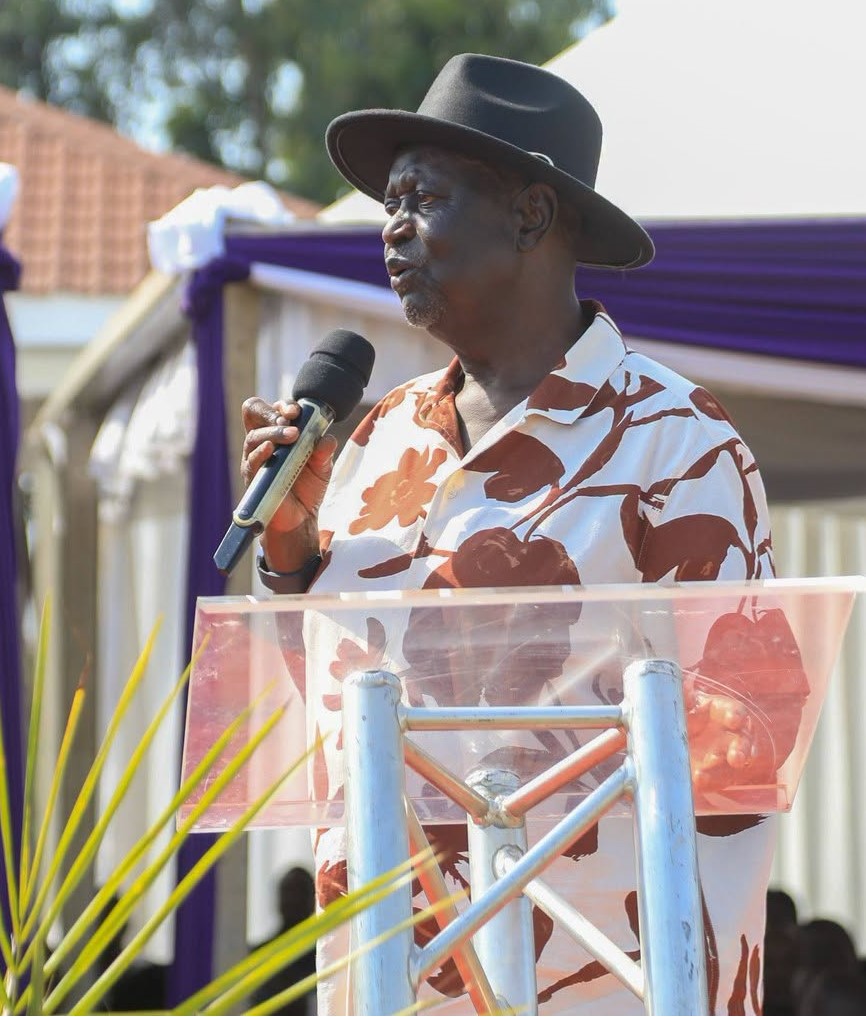
- Siaya Senator Oburu Oginga Odinga has reignited the debate on corporal punishment amid rising cases of school unrest and arson.
- His remarks have sparked fresh discussion on how schools should maintain discipline while protecting learners’ rights.
- Education stakeholders are calling for comprehensive reforms to address the root causes of indiscipline in schools.
Kenya’s long-running debate over corporal punishment in schools has been dramatically reignited after Siaya Senator Oburu Oginga Odinga called for a review of the country’s ban on caning, arguing that teachers have been stripped of one of the most effective tools for maintaining discipline.
His remarks come at a time when schools across the country are grappling with an alarming surge in student unrest, dormitory fires and destruction of property, leaving education stakeholders searching for lasting solutions.
Speaking during a Kenya Union of Post Primary Education Teachers (KUPPET) office building fundraiser in Siaya on Saturday, Senator Oburu questioned how teachers are expected to control students who burn dormitories and destroy school property when corporal punishment is no longer an option.
His remarks drew loud applause from teachers attending the event, reflecting growing frustration among many educators who believe maintaining discipline has become increasingly difficult under the current legal framework.
School fires raise concern
Oburu’s remarks come barely a month after the tragic fire at Utumishi Girls Academy in Nakuru County on May 28, in which 16 students lost their lives. The tragedy reopened painful memories of previous school fire disasters and renewed questions about student discipline.
Nine students were subsequently arrested in connection with the suspected arson, raising concerns over the increasing cases of learner indiscipline and the effectiveness of existing disciplinary approaches.
The incident is not isolated. Kenya has recorded dozens of school fire incidents this year, resulting in the destruction of dormitories, classrooms and other facilities worth millions of shillings. Learning has been disrupted in many institutions as investigations continue into suspected cases of student-led arson.
Many teachers argue that the abolition of corporal punishment created a disciplinary vacuum that has never been adequately filled. Although guidance and counselling programmes were introduced as alternatives, many schools lack trained counsellors, sufficient resources and adequate time to provide meaningful psychosocial support.
Teachers also find themselves managing large classes while addressing increasingly complex behavioural challenges.
The changing social environment has further complicated school discipline. Learners today face the influence of social media, substance abuse, mental health challenges and peer pressure at levels previous generations rarely experienced. Combined with overcrowded classrooms, teacher shortages and reduced parental supervision, these factors have made school management increasingly challenging.
Human rights concerns remain
However, calls to reintroduce corporal punishment remain highly controversial.
Human rights organisations, child protection agencies and many education experts maintain that physical punishment violates children’s rights and may expose learners to abuse, trauma and long-term psychological harm.
They argue that violence cannot be used to eliminate violence and instead advocate positive discipline founded on respect, accountability and restorative justice.
Education experts further contend that school unrest cannot be attributed solely to the ban on corporal punishment. They point to examination pressure, mental health challenges, drug abuse, family breakdown, weak communication between learners and school administrators, and inadequate investment in student welfare as major contributing factors.
KUPPET has consistently called for broader reforms aimed at restoring discipline in schools.
The union has advocated stronger collaboration between parents and teachers to identify behavioural problems before they escalate into violence. National KUPPET Chairman Omboko Milemba has also proposed a review of aspects of the boarding school system, arguing that prolonged separation from parents may contribute to behavioural challenges among some learners.
The Ministry of Education has equally intensified efforts to curb school unrest by strengthening guidance and counselling, promoting values-based education and encouraging school leaders to adopt proactive conflict-resolution mechanisms.
Institutions of higher learning have also introduced specialised training programmes for teachers and principals focusing on school leadership, conflict management and psychosocial support.
A broader national conversation
Nevertheless, the concerns raised by Senator Oburu reflect the frustrations of many teachers who feel overwhelmed by rising indiscipline while fearing legal consequences for taking decisive disciplinary action.
Many educators believe they are being held accountable for school safety without being adequately empowered to enforce discipline.
Rather than focusing solely on whether corporal punishment should return, Kenya may need to re-evaluate its entire school discipline framework.
Effective discipline requires clear policies, well-trained teachers, accessible counselling services, active parental involvement, functional Boards of Management, early identification of learners at risk, strengthened school security and a curriculum that deliberately nurtures values, responsibility and emotional resilience.
The current crisis presents an opportunity to pursue comprehensive reforms rather than isolated solutions. Whether or not corporal punishment returns, the ultimate goal should be to create schools where learners feel safe, respected and accountable for their actions while teachers are adequately supported to maintain discipline and protect lives.
As school fires continue to threaten learning and claim innocent lives, the country faces a defining moment. Policymakers, teachers, parents, religious leaders and learners themselves must engage in an honest national conversation about discipline, responsibility and the future of education.
READ ALSO: Senior school organogram: A comprehensive guide to governance, roles and responsibilities for effective CBE implementation
Kenya cannot afford to wait for another tragedy before implementing lasting reforms that restore confidence in its schools and safeguard future generations.
By Hillary Muhalya
You can also follow our social media pages on Twitter: Education News KE and Facebook: Education News Newspaper for timely updates.
>>> Click here to stay up-to-date with trending regional stories
>>> Click here to read more informed opinions on the country’s education landscape