- The government will review TVET training programmes to align them with changing industry demands.
- TVET principals will meet next month to discuss reforms, including AI integration and competency-based training.
- The reforms aim to bridge the gap between skills acquired in training institutions and labour market needs.
The government is set to overhaul Technical and Vocational Education and Training (TVET) programmes to align them with industry needs and emerging labour market demands.
Principal Secretary for the State Department for Technical, Vocational Education and Training, Dr Esther Muoria, said the government will next month convene a meeting of TVET institution heads to discuss the proposed reforms and chart the way forward.
Aligning TVET with industry
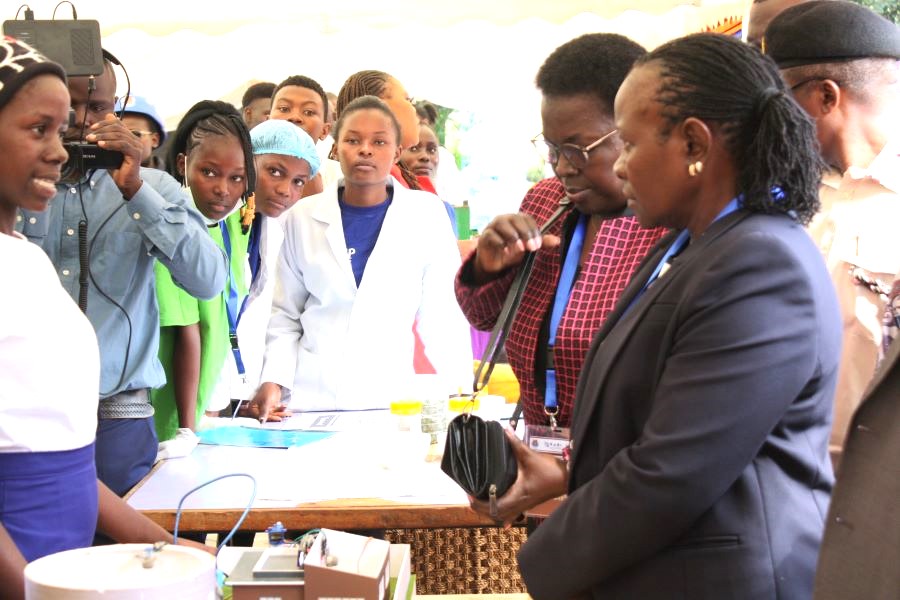
Speaking at the close of the three-day Multi-Sectoral Research Conference and Exhibition at Kisumu National Polytechnic, Dr Muoria said the time had come to ensure that TVET training remains relevant to industry requirements.
She said the reforms are intended to bridge the gap between skills acquired in training institutions and those demanded by employers.
To further strengthen industry linkages, the Principal Secretary said Kenya has adopted a dual training model similar to Germany’s, enabling learners to combine classroom instruction with practical industrial experience.
She noted that the approach will produce graduates equipped with the hands-on skills required in today’s dynamic labour market.
AI and competency-based training
Dr Muoria said the reforms will feature a modular Competency-Based Education and Training (CBET) system, expanded dual training models and increased investment in digital infrastructure.
She added that the TVET sector must also integrate Artificial Intelligence (AI) into training programmes to remain competitive.
Curricula, she explained, are being reorganized into modular micro-credentials, allowing students to complete short courses lasting between three and six months before joining the workforce with recognized qualifications or continuing with advanced training.
Transforming skills development
Dr Muoria reaffirmed the government’s commitment to transforming Kenya’s skills development ecosystem through reforms initiated under President William Ruto’s administration.
She said the State Department has made significant progress in repositioning TVET institutions as a cornerstone of Kenya’s socio-economic transformation.
According to the PS, consultations with technical officers have underscored the need to position TVET as a key driver of youth empowerment and economic growth.
Dr Muoria credited the government with laying a strong foundation for the advancement of technical and vocational education.
She noted that one of the administration’s flagship initiatives is the establishment of a TVET institution in every constituency.
READ ALSO: AI cannot redefine the character and purpose of education
The Principal Secretary emphasized that producing graduates with practical, industry-ready skills will only be possible through stronger partnerships between training institutions and industry.
By Fredrick Odiero
You can also follow our social media pages on Twitter: Education News KE and Facebook: Education News Newspaper for timely updates.
>>> Click here to stay up-to-date with trending regional stories
>>> Click here to read more informed opinions on the country’s education landscape