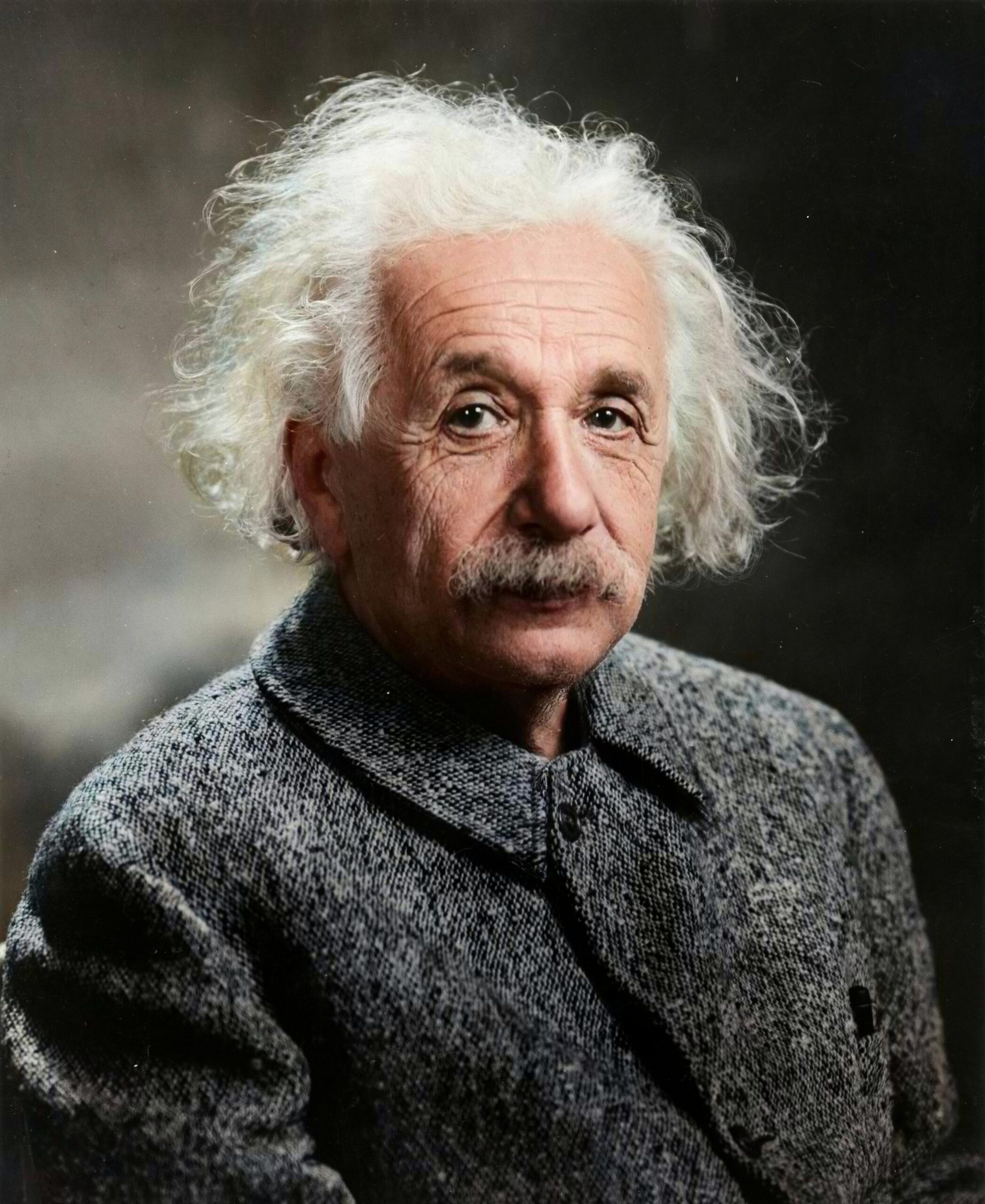
- Ashford Kimani reflects on Albert Einstein’s timeless advice that people should strive to become valuable rather than merely successful.
- Albert Einstein’s famous advice challenges society’s obsession with wealth, status and public recognition.
- True value is measured by the positive impact people have on others rather than their personal achievements.
- Schools, families and institutions must focus on nurturing character and service alongside success.
Before he became one of the most celebrated scientists in history, Albert Einstein offered a simple but profound piece of advice: “Try not to become a man of success, but rather try to become a man of value.” In a world that increasingly glorifies wealth, fame, power and public recognition, Einstein’s words challenge us to rethink what truly matters in life.
Success and value are often treated as synonymous, yet they are fundamentally different. Success is usually measured by external indicators—money in the bank, titles on a business card, academic certificates, social media followers or public applause. Value, on the other hand, is measured by the positive impact one has on others. It is about contribution rather than accumulation, service rather than status and character rather than credentials.
The distinction is important because many people spend their lives chasing success only to discover that it does not automatically bring fulfillment. We have all encountered individuals who appear successful from the outside but are unhappy, disconnected or lacking a sense of purpose.
Conversely, we have met people of modest means whose lives radiate meaning because they have dedicated themselves to helping others, building communities and making a difference.
The current education landscape provides a good example. Across Kenya and many parts of the world, academic achievement is often celebrated as the ultimate goal. Parents, teachers and students focus intensely on examination grades, university placements and professional careers. While these are important milestones, they should not become the sole measure of a person’s worth.
A student who scores an A but lacks honesty, compassion and responsibility may be considered successful but not necessarily valuable. On the other hand, a learner who demonstrates integrity, resilience, empathy and a willingness to serve others possesses qualities that society desperately needs.
Education should therefore aim not only at producing successful graduates but also at nurturing valuable human beings.
Value-driven leadership
This lesson extends beyond the classroom into leadership. Many leaders pursue positions because of the prestige and authority they confer. Yet history remembers leaders not because of the offices they held but because of the value they created.
The most admired leaders are those who improved the lives of others, inspired hope and left institutions stronger than they found them.
In schools, for instance, an effective principal is not merely one who achieves impressive examination results. Rather, it is one who creates a culture where students feel safe, teachers feel supported and learning flourishes.
Such a leader may not always receive national recognition, but the value created within the institution can transform generations.
The same principle applies to teachers. Years after graduation, students rarely remember every lesson taught in class. What they often remember is the teacher who believed in them when no one else did, the mentor who encouraged them during difficult moments or the educator who helped them discover their potential.
These acts may never appear in performance evaluations, but they create lasting value.
Lessons for the digital age
The quote is equally relevant in today’s digital age. Social media has amplified the pursuit of success by rewarding visibility and popularity. Young people are constantly exposed to images of luxury lifestyles, celebrity culture and overnight success stories.
The pressure to appear successful can be overwhelming.
Einstein’s advice offers a refreshing alternative. Instead of asking, “How can I become famous?” or “How can I make more money?” he encourages us to ask, “How can I be useful?” and “How can I improve the lives of others?”
These questions shift the focus from self-promotion to service and from personal gain to collective good.
Interestingly, many of the world’s most respected individuals became successful precisely because they focused on creating value. They solved problems, served communities, advanced knowledge or championed important causes. Their success was often a by-product of their contribution rather than the primary objective.
Building valuable citizens
The ongoing conversations about leadership, education and national development in Kenya reinforce this truth. Our country does not merely need successful professionals; it needs valuable citizens.
We need doctors who care deeply about patients, teachers who nurture character as well as competence, business leaders who act ethically and public servants who prioritize the common good over personal interests.
Parents, too, play a critical role in shaping this mindset. Children should be taught that their worth is not determined solely by grades, possessions or social status. They should learn that kindness, honesty, responsibility and service are equally important measures of achievement.
Such values provide a stronger foundation for life than any certificate or title.
Ultimately, Einstein’s message is not a rejection of success. There is nothing wrong with striving for excellence, pursuing ambitious goals or seeking professional advancement. The danger lies in making success the ultimate destination.
When success becomes the sole objective, people may compromise their values in pursuit of recognition. When value becomes the priority, success often follows naturally and sustainably.
More than a century after Einstein spoke these words, they remain remarkably relevant. In a society obsessed with achievement and appearances, they remind us that the true measure of a life is not what we gain but what we give.
Titles fade, wealth can disappear and fame is often fleeting. But the value we create in the lives of others endures long after we are gone.
READ ALSO: Kimilili MP Didmus Barasa urges TSC to give JSS teachers better treatment and greater autonomy
The challenge before us is therefore simple yet profound: do not merely strive to be successful. Strive to be valuable.
In the end, it is value—not success—that leaves a lasting legacy.
By Ashford Kimani
You can also follow our social media pages on Twitter: Education News KE and Facebook: Education News Newspaper for timely updates.
>>> Click here to stay up-to-date with trending regional stories
>>> Click here to read more informed opinions on the country’s education landscape