- Hillary Muhalya argues that Kenya’s failure to qualify for the FIFA World Cup is not a talent problem but a systems problem.
- The article calls for greater investment in school football, coaching, infrastructure and youth development pathways.
- It contends that long-term planning and strong institutions are essential if Kenya is to become a regular World Cup contender.
Every four years, the FIFA World Cup captivates billions of people around the globe. In Kenya, millions of fans passionately support football giants such as Brazil, Argentina, Germany, England, Spain and France. Yet beneath the excitement lies a painful question: why is Kenya always watching while other nations are playing?
The answer is not a lack of talent. Kenya has consistently produced world-class athletes in athletics, rugby and other sports. Football is no exception. Across the country, gifted boys and girls display remarkable ability every day. The real challenge is that Kenya has not built a comprehensive system that identifies, develops and supports football talent from childhood to the professional level.
If Kenya genuinely wants to qualify consistently for future FIFA World Cups, it must stop relying on isolated talent and begin investing in structures that produce excellence generation after generation.
Schools as Talent Development Centres
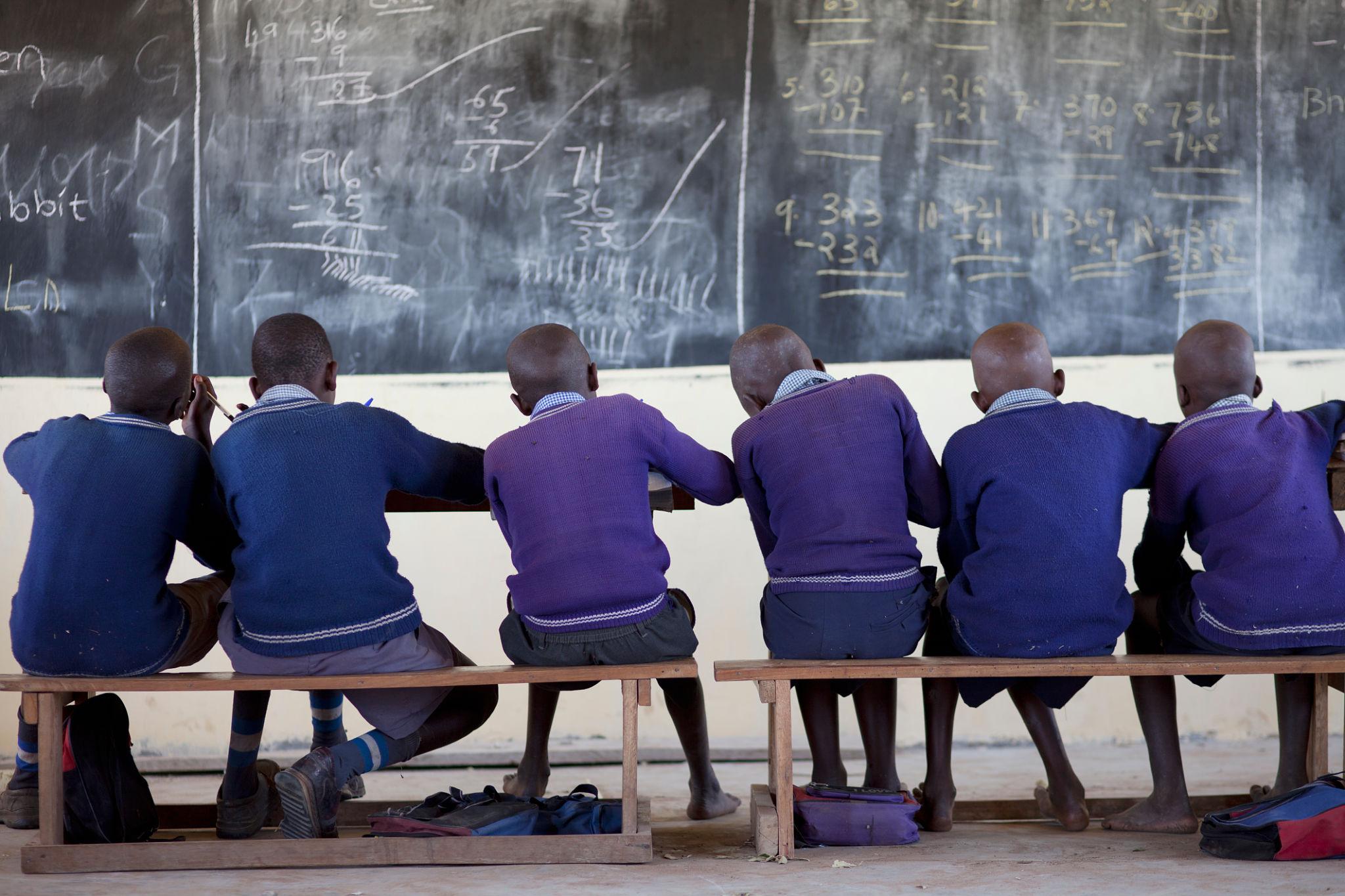
One of the greatest strengths of successful football nations is the integration of football into their education systems. Schools are not merely centres of academic learning; they are talent development institutions.
Children begin structured football training at an early age under qualified coaches who understand child development and modern football techniques. Throughout the academic year, schools participate in organised leagues that expose learners to continuous competition.
In Kenya, football in schools remains largely seasonal. Many institutions only become active during annual school games before returning to months of inactivity. As a result, many gifted learners lose valuable development time.
Successful football countries understand that great players are developed by great coaches.
Nations such as Germany, Spain, France and Japan invest heavily in coaching education. Modern coaches understand tactics, sports science, psychology, nutrition and age-appropriate player development.
Kenya still relies heavily on passionate teachers and volunteers who often lack specialised football coaching qualifications. Their dedication is admirable, but passion alone cannot replace professional expertise.
Expanding Football Academies
Football academies provide another important lesson. Around the world, professional clubs operate highly organised academies where children combine education with intensive football development.
Kenya has only a limited number of established academies. Many talented children, especially in rural areas, have little access to structured football development. As a result, thousands of promising players disappear before reaching their full potential.
Countries that dominate the FIFA World Cup do not leave football development to chance. They invest consistently in facilities, coaching, sports science, youth leagues and talent identification systems.
Kenya has abundant football talent, from Nairobi’s informal settlements to communities in Kakamega, Kisumu, Mombasa, Garissa, West Pokot and Turkana. Unfortunately, many dreams end prematurely because of inadequate investment.
Football should no longer be viewed merely as entertainment. It should be treated as a strategic national investment capable of creating employment, generating revenue and strengthening national pride.
Every county should establish modern football development centres equipped with quality pitches, classrooms, gyms and rehabilitation facilities. Schools should receive adequate funding to support year-round football programmes.
Infrastructure and Competition Matter
Infrastructure remains a critical challenge. Countries that consistently qualify for the World Cup invest heavily in stadiums, training grounds, sports science laboratories and rehabilitation centres.
Many Kenyan schools still lack standard football pitches and adequate equipment, forcing learners to train under difficult conditions.
Regular competition is equally important. Young footballers improve by playing meaningful matches throughout the year. In many successful football nations, structured youth leagues provide continuous competition every weekend.
In Kenya, competitive football is often concentrated within short periods of the academic calendar, slowing player development.
Building Strong Pathways
Successful football nations maintain strong partnerships between schools and professional clubs. Scouts regularly attend school competitions and identify talented youngsters for structured development programmes.
Kenya’s transition from school football to professional football remains inconsistent. Many outstanding school players never secure opportunities because scouting systems are still limited.
Parents also have a role to play. While academic excellence remains important, football should increasingly be recognised as a legitimate profession capable of transforming lives.
Long-term planning distinguishes successful football nations from struggling ones. Germany rebuilt its youth football system after disappointing performances and patiently invested for years before becoming world champions again.
Kenya must embrace similar patience. Football development should not depend on changing administrators or short political cycles. Sustainable success requires consistent policies, stable institutions and good governance.
The encouraging reality is that Kenya already possesses the one ingredient that cannot be manufactured—talent.
Across the country, thousands of boys and girls dream of representing Kenya on football’s biggest stage. What they need is not more passion, but better systems, stronger institutions, greater investment and leaders willing to think beyond the next tournament.
READ ALSO: Narok launches construction of GBV Safe House to support survivors
The countries lifting the FIFA World Cup today are harvesting the rewards of investments made decades ago. If Kenya begins making bold decisions today, the dream of hearing the national anthem played before a World Cup match will become an achievable national ambition.
The future of Kenyan football will not be determined by discovering one extraordinary player. It will be determined by building an extraordinary football system capable of producing exceptional players generation after generation.
By Hillary Muhalya
You can also follow our social media pages on Twitter: Education News KE and Facebook: Education News Newspaper for timely updates.
>>> Click here to stay up-to-date with trending regional stories
>>> Click here to read more informed opinions on the country’s education landscape