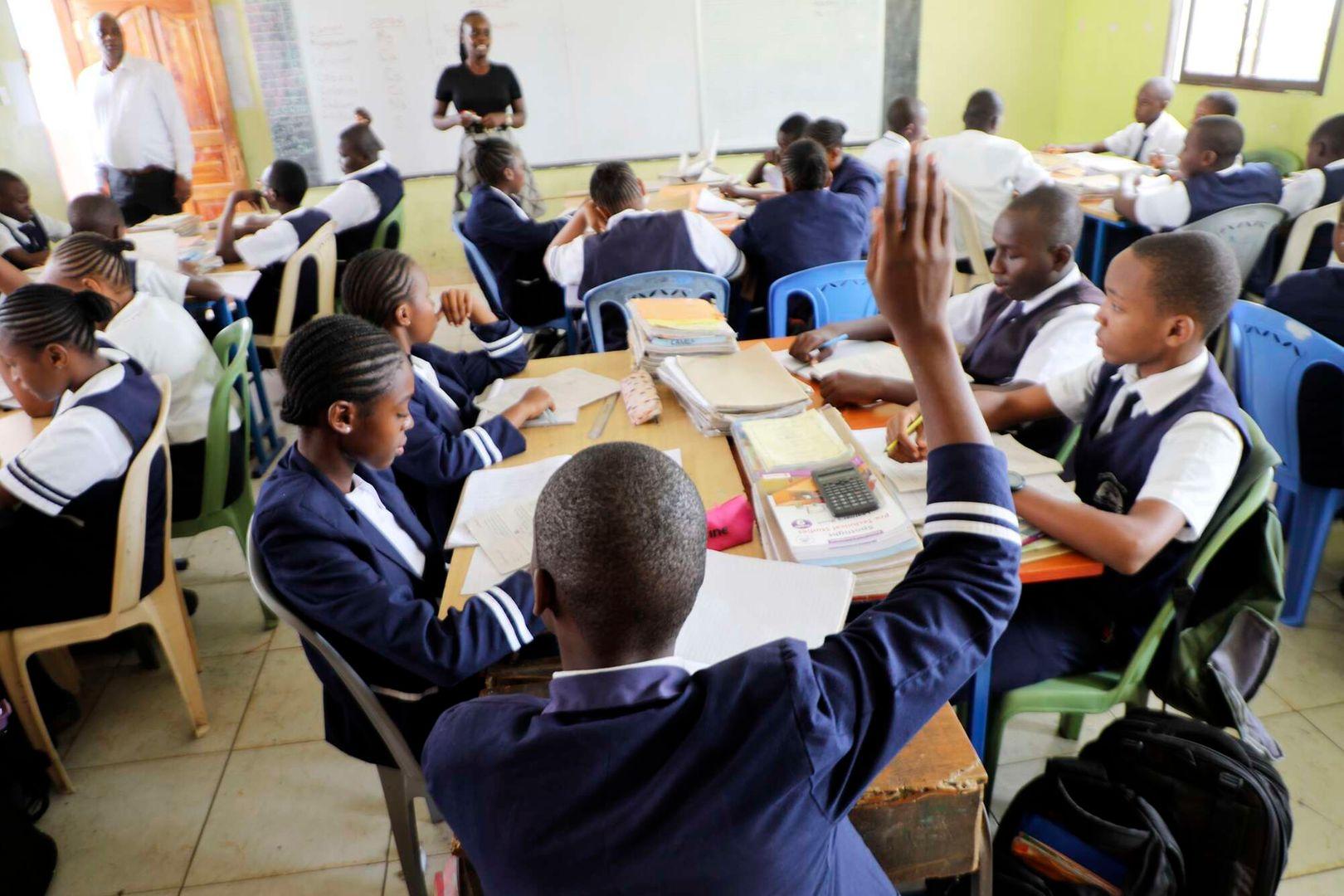
Male teachers stand as the foundational pillars of our schools and communities, quietly balancing the heavy roles of educators, mentors, fathers, and guardians of societal values. Yet behind a steady exterior, many of these men silently bear the compounding weight of professional stress, financial anxiety, family obligations, and unique workplace expectations.
As we observe Men’s Mental Health Month, it becomes increasingly clear that the psychological wellbeing of male educators is far more than an isolated personal issue. It is a profound educational necessity and a matter of urgent national importance.
A mentally healthy teacher possesses the emotional resilience required to deliver curriculum effectively, nurture learners through complex developmental stages, and contribute meaningfully to the institutional growth of a school.
Unfortunately, societal scripts often demand that men remain strong and stoic, an expectation that effectively silences them and prevents them from seeking help when confronting emotional or psychological distress. This culture of silence must be dismantled if we are to safeguard the future of our classrooms, because a teacher who is suffering inside cannot fully guide those who look up to him.
The renowned psychologist Carl Rogers once observed that what is most personal is ultimately most universal. When male educators are encouraged to articulate their struggles rather than suffer in isolation, they realize they are not alone in their battles. Seeking psychological support should never be viewed as a deficit of strength, but rather as a profound demonstration of courage, self awareness, and leadership responsibility.
ALSO READ:
Tenwek High School directs Form 3 parents to accompany students during readmission
This aligns closely with Abraham Maslow’s hierarchy of human needs, which establishes that individuals reach their peak performance only when their foundational emotional and psychological safety is secured. Teachers who feel genuinely valued, respected, and supported naturally bring a higher level of motivation and productivity to their daily vocation.
Empirical evidence from the American Psychological Association consistently demonstrates that robust social support networks and healthy interpersonal relationships significantly mitigate mental health challenges in men. Consequently, educational institutions must actively cultivate environments where male teachers can openly discuss their vulnerabilities and access professional guidance without the paralyzing fear of stigma.
In the Kenyan context, the Teachers Service Commission deserves immense commendation for establishing a dedicated Wellness Department at its headquarters. To unleash the full potential of this initiative, there is an urgent need to devolve this department to the county levels, a strategic move that would bring vital counseling, mentorship, and stress management resources directly to the grassroots where teachers need them most. Concurrently, school principals and administrators must foster collaborative work environments rooted in mutual appreciation and professional growth.
True wellness requires a dual approach combining institutional frameworks with personal agency. Male teachers can fortify their mental resilience by embracing healthy lifestyles, engaging in physical exercise, cultivating deep male friendships, and establishing firm boundaries between professional duties and family life.
ALSO READ:
Furthermore, participating in spiritual activities provides an essential anchor of hope and enduring purpose. The ripple effect of a teacher’s inner health extends far beyond the school gates, because emotionally whole men build stable families, thriving schools, and resilient nations. In the absence of healthy male role models, the younger generation loses a vital compass, making the emotional stability of male educators a critical factor in national development.
This collective responsibility to safeguard one another is echoed in biblical wisdom, which instructs us to carry each other’s burdens and fulfill the law of Christ, while simultaneously reminding us to guard our hearts diligently because everything we do flows from it.
Modern educational research and UNESCO publications reinforce this spiritual truth by proving that teacher welfare directly dictates learner achievement and school stability. As Dr. Martin Luther King Jr. famously noted, the true function of education is to teach one to think intensively and critically. This profound intellectual mission can only be achieved when the educators themselves are operating from a place of mental, emotional, and spiritual wholeness.
Renowned educator and author Charles Obiye captured this truth perfectly when he noted that we cannot expect a teacher to pour from an empty cup of wellness and still ignite the minds of the next generation; the emotional preservation of the educator is the first step in the transformation of the learner.
As we commemorate Men’s Mental Health Month, let us actively dismantle the barriers of stigma and urge male teachers to speak, share, and seek the care they deserve. Investing in the mental wellness of male teachers is not a luxury, but a deliberate investment in our families, our schools, and the ultimate destiny of our nation. The ultimate truth remains that a healthy teacher inspires a healthy learner, and a healthy learner builds a healthy nation.
By Astiba Kebong’o
You can also follow our social media pages on Twitter: Education News KE and Facebook: Education News Newspaper for timely updates.
>>> Click here to stay up-to-date with trending regional stories
>>> Click here to read more informed opinions on the country’s education landscape
>>> Click here to stay ahead with the latest national news.