The University of Nairobi (UoN) has announced significant progress in its preparations for the transition to Competency-Based Education and Training (CBET), positioning the institution to receive the first cohort of learners under the new education framework in 2029.
The progress was highlighted during a Monitoring and Evaluation exercise conducted on June 5, 2026, by the State Department for Higher Education and Research from Ministry of Education.
The assessment forms part of a nationwide initiative aimed at evaluating universities’ readiness to implement recommendations made by the Presidential Working Party on Education Reforms.
Leading the Ministry delegation, Dr. David Watene, Director of Higher Education at the State Department for Higher Education and Research, commended the university’s performance and linked its strong showing in the latest Centre for World University Rankings report to its long-standing academic excellence. He noted that the exercise was designed to assess the institution’s preparedness for the transition to the CBET framework.
ALSO READ:
PS Ageng’o calls for internal dialogue mechanisms in schools to address student concerns
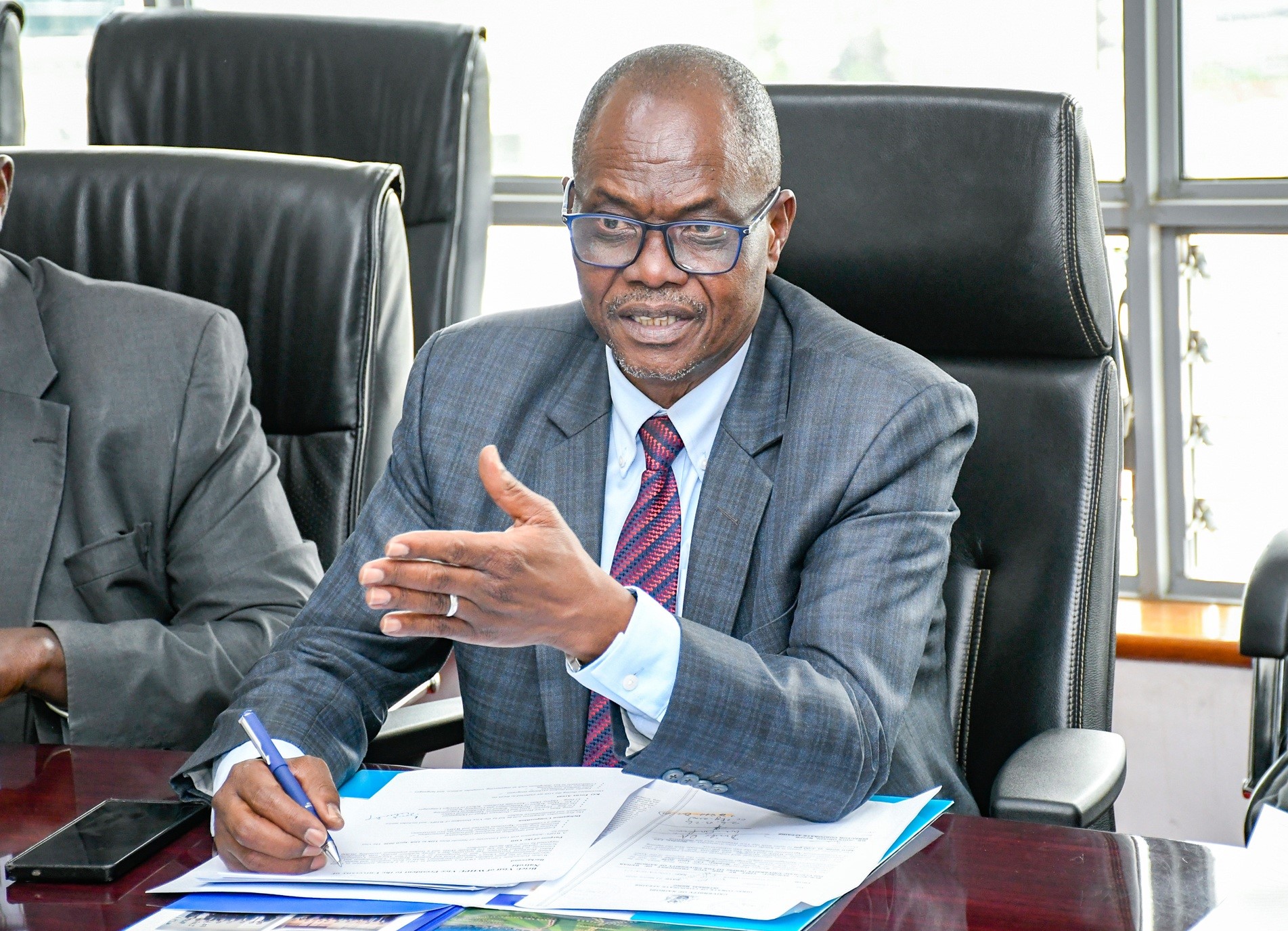
Speaking during the exercise, Vice Chancellor Prof. Ayub Gitau emphasized the university’s commitment to aligning its systems and programmes with the national education reform agenda.
He said the institution is focused on ensuring that graduates emerge not only with knowledge but also with the competencies, adaptability, and practical skills needed to contribute effectively to society and the economy.
Prof. Gitau revealed that CBET has been incorporated as a standing agenda item in both Senate and Council meetings to ensure continuous oversight of the implementation process.
He added that the university has established specialized technical committees across faculties to coordinate the transition and has invested heavily in programme review, accreditation, and quality assurance initiatives.
Prof. Rosemary Imonje, who leads the university’s CBET Committee, reported that curriculum transformation efforts are at an advanced stage.
The process began in 2024 and has involved extensive engagement with academic staff, comprehensive curriculum reviews, and capacity-building programmes to equip lecturers with the skills needed for the new system.
ALSO READ:
KNUT Gucha South boss urges parents to counsel children over rising school fire incidents
The evaluation exercise also explored key challenges that universities must address before the full implementation of CBET.
Among the concerns raised were shortages of academic staff in specialized disciplines, high student-to-staff ratios in some programmes, the need to modernize laboratories and practical training facilities, and growing investment demands for digital learning technologies.
To address these challenges, the university highlighted several ongoing development projects aimed at enhancing institutional readiness. These include the upgrading of sports and recreational facilities to support emerging learner pathways and the construction of the Engineering Science Complex Project, which is expected to significantly boost capacity science, technology, engineering, and mathematics training.
By Obegi Malack
You can also follow our social media pages on Twitter: Education News KE and Facebook: Education News Newspaper for timely updates.
>>> Click here to stay up-to-date with trending regional stories
>>> Click here to read more informed opinions on the country’s education landscape