The National Assembly’s approval of Kenya’s 2026/27 Budget marks one of the most consequential policy decisions of the year. Beyond the figures and parliamentary procedures lies a document that reflects the government’s vision for the country’s future, reveals its spending priorities, and highlights the challenges that continue to shape Kenya’s economic journey.
At its core, a national budget is more than a financial statement. It is a declaration of values. It reveals where a nation chooses to invest its resources and which sectors it believes will deliver the greatest impact on citizens’ lives. In approving the new expenditure estimates, Parliament has placed health, education, housing, social protection, youth empowerment, and infrastructure at the centre of national development.
The choices made in this budget come at a critical moment. Kenya continues to navigate a complex economic landscape characterized by rising public debt, high living costs, pressure on household incomes, climate-related challenges, and growing expectations from a youthful population seeking opportunities. Against this backdrop, the 2026/27 Budget seeks to balance immediate social needs with long-term economic aspirations.
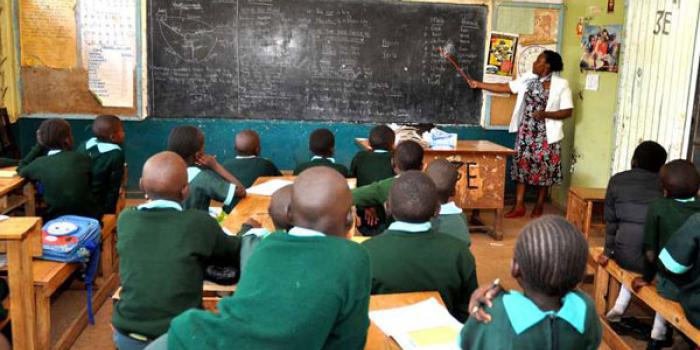
Education emerged as the biggest beneficiary, receiving KSh 781.4 billion. The allocation underscores the government’s recognition that no nation can achieve sustainable development without investing heavily in human capital. Education remains the foundation upon which economic competitiveness, innovation, productivity, and social mobility are built.
For millions of Kenyan families, education represents the most reliable pathway out of poverty. Every additional classroom, trained teacher, scholarship, and learning resource contributes to expanding opportunities for future generations. The substantial allocation therefore sends a clear signal that education remains a national priority despite competing demands on public finances.
ALSO READ;
Schools in Kirinyaga, Nakuru and Nairobi take precautionary breaks as tensions rise
One of the most significant announcements within the education sector is the allocation of KSh 4.9 billion to absorb 20,000 intern teachers into permanent and pensionable employment. For years, teacher shortages have affected learning outcomes in many public schools, particularly in remote and marginalized regions. The transition of intern teachers into permanent positions is expected to improve stability in schools while enhancing morale among educators who have long sought job security.
The decision also carries broader economic implications. Permanent employment provides teachers with greater financial certainty, improves access to credit, and strengthens their ability to support families and local economies. In many rural communities, teachers remain among the most influential drivers of economic activity.
Higher education also received considerable attention. The allocation of KSh 56.7 billion to the Higher Education Loans Board (HELB) is expected to support thousands of students pursuing university and college education. In a country where many families struggle to meet the cost of higher learning, HELB funding continues to play a critical role in ensuring that financial limitations do not entirely determine educational opportunities.
The emphasis on education reflects an understanding that Kenya’s future competitiveness will depend not only on physical infrastructure but also on the knowledge, skills, and creativity of its people. As technology continues to reshape global economies, investments in learning may prove to be among the most valuable commitments contained in the budget.
Health emerged as another major priority, receiving KSh 175.5 billion. The allocation comes at a time when the country is seeking to strengthen healthcare systems while advancing the goal of Universal Health Coverage.
The COVID-19 pandemic exposed vulnerabilities within healthcare systems around the world, including Kenya’s. Since then, policymakers have increasingly recognized the importance of resilient health infrastructure capable of responding to both routine medical needs and unexpected emergencies.
The KSh 19.1 billion allocated to the Primary Healthcare Fund is particularly significant because primary healthcare represents the first point of contact between citizens and the health system. Strengthening dispensaries, health centres, and community health services can reduce pressure on referral hospitals while ensuring that preventable illnesses are detected and treated early.
ALSO READ;
Kipsigis Girls sends students home as unrest hits schools nationwide
Additional allocations for HIV/AIDS, tuberculosis, malaria, and chronic illnesses reflect the reality that Kenya continues to face a dual burden of communicable and non-communicable diseases. While remarkable progress has been made in combating infectious diseases, conditions such as cancer, diabetes, hypertension, and kidney disease are becoming increasingly prevalent and costly.
Investment in healthcare carries benefits that extend beyond hospitals and clinics. Healthy populations are more productive, children perform better in school, and households face fewer catastrophic medical expenses. In this sense, healthcare spending should not merely be viewed as a social obligation but as an investment in national productivity and economic resilience.
Housing is another sector that received substantial support, with KSh 138.2 billion allocated to housing programmes, including KSh 50 billion for affordable housing initiatives. The government’s housing agenda has generated significant public debate, yet it remains one of the administration’s flagship development programmes.
Kenya’s urban population continues to grow rapidly, creating increased demand for decent and affordable housing. Many urban residents face overcrowding, inadequate infrastructure, and rising rental costs. The affordable housing programme seeks to address these challenges while simultaneously stimulating economic activity.
Construction projects generate employment across a wide range of professions, from engineers and architects to artisans, suppliers, transporters, and casual labourers. The sector’s ability to create jobs makes housing investment particularly attractive during periods of economic uncertainty.
Beyond shelter, housing contributes to dignity, security, and improved quality of life. Communities with decent housing often experience better health outcomes, stronger social cohesion, and enhanced economic opportunities.
The budget also demonstrates a commitment to social protection. Allocations targeting elderly persons, orphans, vulnerable children, and persons living with disabilities recognize that economic growth alone does not automatically benefit every citizen.
For many vulnerable households, social protection programmes provide a crucial safety net during periods of hardship. Cash transfer programmes help beneficiaries meet basic needs, access healthcare, and support children’s education. Such interventions can prevent vulnerable families from falling deeper into poverty while promoting greater social stability.
ALSO READ;
We will deal with you mercilessly, PS Bitok warns students behind school unrest
Particularly noteworthy is the allocation intended to support village elders. Although village elders often operate outside formal government structures, they play a vital role in grassroots administration, dispute resolution, community mobilization, and maintenance of social harmony. Recognizing their contribution reflects an appreciation of the importance of local leadership in national development.
Youth empowerment also features prominently in the approved budget. Funding directed towards the National Youth Service and related programmes reflects growing recognition that Kenya’s demographic structure presents both opportunities and challenges.
Nearly three-quarters of Kenya’s population is below the age of 35. This youthful population can become a powerful engine of economic growth if equipped with appropriate education, skills, and employment opportunities. However, persistent unemployment and underemployment among young people remain significant concerns.
By investing in vocational training, entrepreneurship support, and youth development programmes, the government hopes to strengthen pathways into productive employment. Success in this area will be critical to social stability and long-term economic progress.
Infrastructure development remains another pillar of the budget. Investments in electricity connectivity, ICT infrastructure, and digital transformation initiatives demonstrate an understanding that modern economies increasingly depend on technology and connectivity.
Expanding access to electricity can stimulate business growth, improve educational outcomes, and enhance living standards. Similarly, investments in digital infrastructure support innovation, financial inclusion, e-commerce, and efficient public service delivery.
The continued expansion of digital systems within government may also improve transparency and accountability. Enhanced procurement systems and digitized public services can reduce inefficiencies while strengthening public confidence in institutions.
Yet despite these ambitious allocations, the budget faces a major challenge that cannot be ignored: public debt. Kenya’s debt servicing obligations continue to consume a substantial share of government revenue. With approximately KSh 1.1 trillion expected to go towards debt repayment, questions persist regarding fiscal sustainability and the government’s ability to finance development without placing excessive pressure on taxpayers.
Debt itself is not inherently problematic when borrowed funds generate productive investments that stimulate growth. The concern arises when debt repayment begins to limit the government’s capacity to fund essential services or respond to emerging priorities.
This reality places immense importance on efficiency and accountability. Every shilling allocated must deliver measurable value. Citizens increasingly expect not only ambitious plans but also tangible results.
History has shown that the success of budgets depends less on allocations and more on implementation. Kenya has often produced well-designed policy documents whose impact was undermined by delayed funding, bureaucratic inefficiencies, procurement challenges, and corruption.
The ultimate measure of the 2026/27 Budget will therefore not be the size of its allocations but the outcomes it delivers. Parents will judge it by the quality of schools. Patients will judge it by the accessibility of healthcare. Young people will judge it by the availability of jobs and opportunities. Communities will judge it by improvements in infrastructure and public services.
The approval of this budget represents the beginning rather than the conclusion of a national process. Parliament has completed its role by authorizing expenditure and defining priorities. The responsibility now shifts to ministries, county governments, public institutions, and oversight agencies charged with translating policy into action.
The 2026/27 Budget presents an ambitious vision for Kenya’s future—one built on educated citizens, accessible healthcare, affordable housing, empowered youth, and stronger social protection systems. Whether that vision becomes reality will depend on disciplined implementation, prudent financial management, and unwavering accountability.
For millions of Kenyans, the budget offers reason for cautious optimism. It acknowledges many of the country’s most pressing needs and directs substantial resources toward addressing them. Yet optimism must be accompanied by vigilance. The true significance of this budget will not be found in parliamentary records or financial tables. It will be found in classrooms where children learn, hospitals where lives are saved, homes where families find dignity, and communities where opportunity becomes a reality.
That is where budgets ultimately succeed or fail. That is where the future of the nation is determined.
By Hillary Muhalya
You can also follow our social media pages on Twitter: Education News KE and Facebook: Education News Newspaper for timely updates.
>>> Click here to stay up-to-date with trending regional stories
>>> Click here to read more informed opinions on the country’s education landscape