The Ministry of Education (MoE) has pledged to strengthen the use of research and data driven evidence in shaping policies and reforms within Kenya’s education sector amid growing calls for more informed decision making.
The commitment was made during the Kenya National Commission for UNESCO and Global Partnership for Education (GPE) Knowledge and Innovation Exchange forum held in Naivasha, where education stakeholders criticized the long standing failure to utilize locally generated research despite years of studies conducted by universities, non governmental organisations, and United Nations agencies.
Participants at the forum noted that many valuable recommendations contained in academic theses, policy reports, and sector studies have remained largely unimplemented, leading to fragmented reforms and policy inconsistencies within the education system.
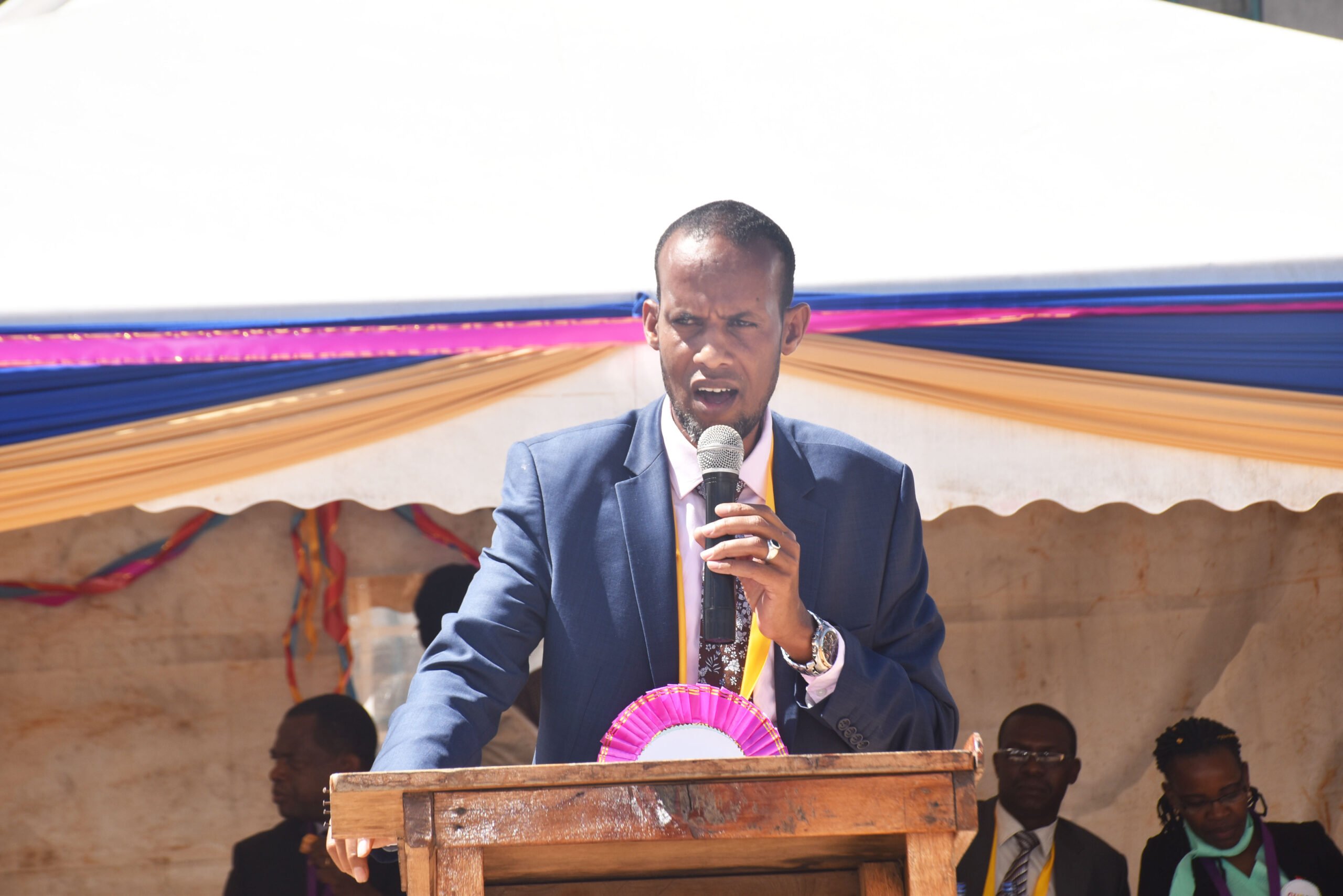
Speaking during the meeting, Director General for Basic Education Dr Elyas Abdi said the government is now prioritizing evidence based policymaking as part of efforts to improve learning outcomes and strengthen ongoing reforms in the sector.
“The future of the education system in this country and the region will be heavily informed by modern data and research that can drive meaningful policy reforms,” said Dr Elyas Abdi.
He acknowledged that previous administrations had failed to effectively integrate research findings into policy implementation despite the availability of extensive studies produced by researchers and institutions.
According to Dr Elyas Abdi, the MoE is now working to bridge the gap between research generation and policy implementation in order to create a more responsive and inclusive education system.
“We must bridge the gap between evidence based research and implementation if we want to strengthen inclusive learning across all levels of education,” he said.
Focus on CBC, ECDE and teacher re-skilling
He noted that current reforms being undertaken by the government are heavily focused on improving learner experiences, teacher re-skilling, gender equity, and strengthening Early Childhood Development Education (ECDE).
Dr Elyas Abdi revealed that for years, research conducted by postgraduate students in education has rarely influenced government decision making despite containing practical recommendations for addressing challenges within the sector.
“Every graduate undertaking Masters and PhD level research in the education sector has to deposit their thesis to the Ministry of Education, but the document’s key recommendations have for years not been acted upon, and this has to change,” said Dr Elyas Abdi.
He stressed that successful reforms must be guided by government leadership, long term planning, and political goodwill to effectively address persistent challenges facing the education system.
“The future of education in this country will largely depend on the use of research data, policy reforms, teacher re-skilling, and collaboration with private sector and non governmental actors,” he added.
Dr Elyas Abdi further reaffirmed the Ministry’s commitment to ensuring inclusive education for all learners, especially children with special needs, learners from disadvantaged backgrounds, and those affected by climate related challenges.
“We want an education system where no learner is left behind regardless of their background or circumstances,” he said.
Regional leaders
The forum also attracted regional education leaders, including Somalia’s Permanent Secretary for Education, Culture and Higher Education Mr Hassan Mohammed, who highlighted his country’s efforts to rebuild its education system through evidence based reforms following years of civil conflict.
“In Somalia, the government is investing in infrastructure, teacher development, and education financing to rebuild a system that was devastated by years of civil war,” said Mr Hassan Mohammed.
He noted that research informed policymaking has already contributed to progress in digital learning, teacher development, and institutional rebuilding within Somalia’s education sector.
Acting Chief Executive Officer for the Kenya National Commission for UNESCO Dr James Njogu said the forum was designed to strengthen the use of research and innovation in shaping education policy and decision making across the region.
Dr James Njogu disclosed that UNESCO is currently supporting nine education related projects in Kenya and is finalizing a report that will provide further recommendations on improving the sector.
“This meeting is intended to ensure that research does not remain on shelves but instead informs practical policy decisions that improve education systems,” said Dr James Njogu.
Evidence-based reforms
The three day Naivasha forum brought together policymakers, researchers, development partners, and education stakeholders under the theme “Aligning Evidence for System Level Impact.”
The meeting formed part of the Global Partnership for Education’s Knowledge and Innovation Exchange initiative, which supports countries in using research and innovation to strengthen education systems.
According to organisers, the programme focuses on helping countries translate research findings into practical reforms in areas such as teacher training, gender equity, early childhood education, and digital learning.
Kenya has in recent years intensified reforms aimed at strengthening the Competency Based Curriculum (CBC), improving digital learning infrastructure, and enhancing teacher training programmes.
Education officials say the reforms are intended to create a more inclusive, skills oriented, and learner centred education system capable of responding to the demands of the modern economy.
Stakeholders at the forum emphasized that without proper use of research and evidence, education reforms risk becoming ineffective, inconsistent, and disconnected from the realities facing learners and teachers on the ground.
READ ALSO: Kaimosi University trains researchers on bioethics, responsible use of AI in research
They called for stronger collaboration between government agencies, universities, researchers, development partners, and local communities to ensure that education policies are informed by credible data and practical experiences from across the country.
By Kimutai Langat
You can also follow our social media pages on Twitter: Education News KE and Facebook: Education News Newspaper for timely updates.
>>> Click here to stay up-to-date with trending regional stories
>>> Click here to read more informed opinions on the country’s education landscape