The government through the Ministry of Education (MoE) has announced plans to gradually eliminate paper-based national examinations and replace them with digital assessments in a major reform intended to reduce the huge costs associated with printing and administering exams.
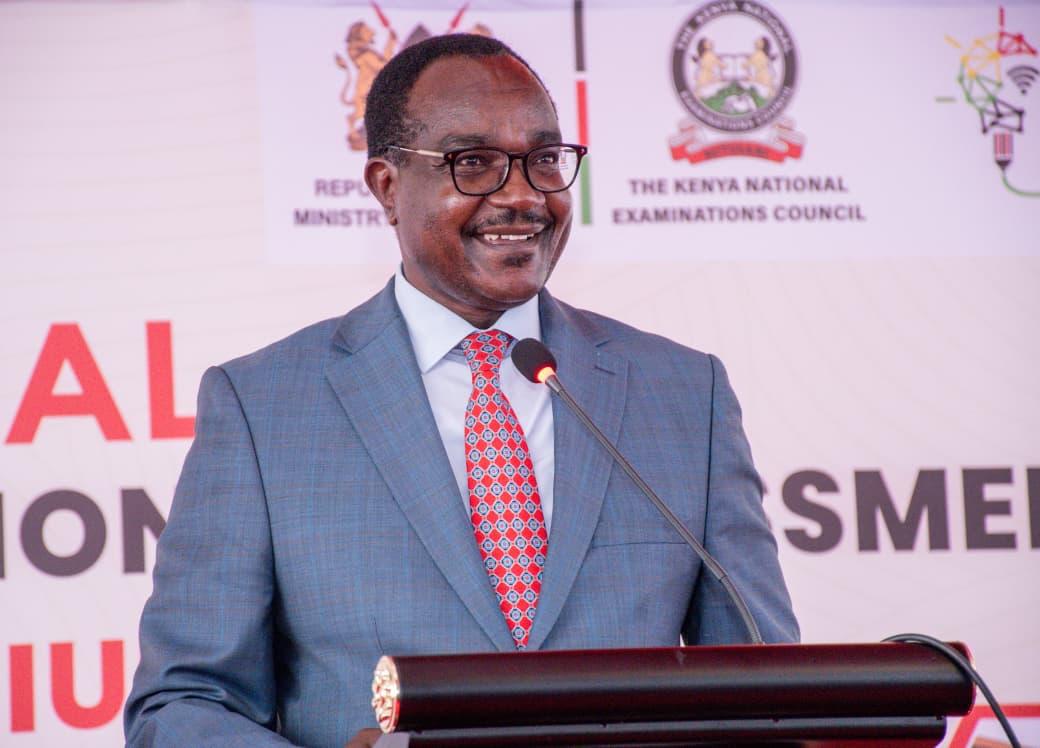
Speaking during a national education stakeholders’ meeting in Naivasha, Director General for Basic Education Dr Elyas Abdi said the government, in collaboration with the Kenya National Examinations Council (KNEC), was preparing to roll out electronic testing across the education sector.
“Exams in this country have been an expensive affair, and paperless exams seek to address this in the coming years,” said Dr Abdi.
The proposed transition comes as the examinations council continues to grapple with massive funding gaps. KNEC currently requires about Ksh12.5 billion annually to manage school examinations and invigilation, but allocations from the national budget have consistently fallen below the required amount.
In the 2024/2025 financial year alone, the council faced a deficit of Ksh3.7 billion, a situation that nearly disrupted the administration of national examinations before Parliament stepped in with emergency support.
ALSO READ:
School in Vihiga benefit as Safaricom Foundation awards Ksh59 million for facility boost
Budget estimates for the 2026/27 financial year indicate that Ksh14.7 billion will be needed for examinations and supervision, yet only Sh9.9 billion has been proposed, leaving a funding shortfall of Ksh4.82 billion.
Education officials say part of the financial strain has been caused by the long-standing practice of printing examination papers abroad. For years, KNEC has relied on foreign security printers for exam booklets and optical mark recognition forms, attracting criticism from stakeholders who view the process as costly and inefficient.
Treasury Cabinet Secretary John Mbadi recently questioned why examination materials were still being printed in London, arguing that the arrangement unnecessarily burdened taxpayers.
KNEC Chief Executive Officer David Njengere said the shift toward digital assessments has been informed by the success of electronic examinations in teacher training colleges.
According to Njengere, more than 37,000 teacher trainees have completed online examinations and graduated over the last three years.
“What began as a pilot project with only 45 candidates in 2021 has now expanded to over 50,000 candidates in more than 100 institutions by 2025,” he said.
Teacher trainees currently undertake their examinations online and submit scripts electronically through the KNEC portal for marking.
KNEC now plans to extend the programme to senior secondary schools beginning in 2027. The council believes digital examinations will improve learners’ digital skills, speed up release of results, allow remote marking, and enhance policy planning through automated data analysis.
ALSO READ:
TikTok and YouTube introduce new safety measures to protect children online
Education analysts estimate that digitising examinations could reduce operational costs by nearly 30 per cent.
The reforms are also reflected in the proposed Kenya National Educational Assessments Council (KNEAC) Bill 2025, which seeks to modernise learner assessment through technologies such as AI-supported marking, electronic scoring, and real-time testing systems.
During the Naivasha meeting organised by the Kenya National Commission for UNESCO, Dr Abdi urged stakeholders to embrace research-driven reforms to address challenges affecting the education sector.
He said Grade 10 learners had already settled into their chosen pathways under the Competency-Based Education (CBE), while development of Grade 12 curriculum materials had been completed.
“We are strengthening teacher capacity and refining policies to ensure quality education for all learners,” Dr Abdi said.
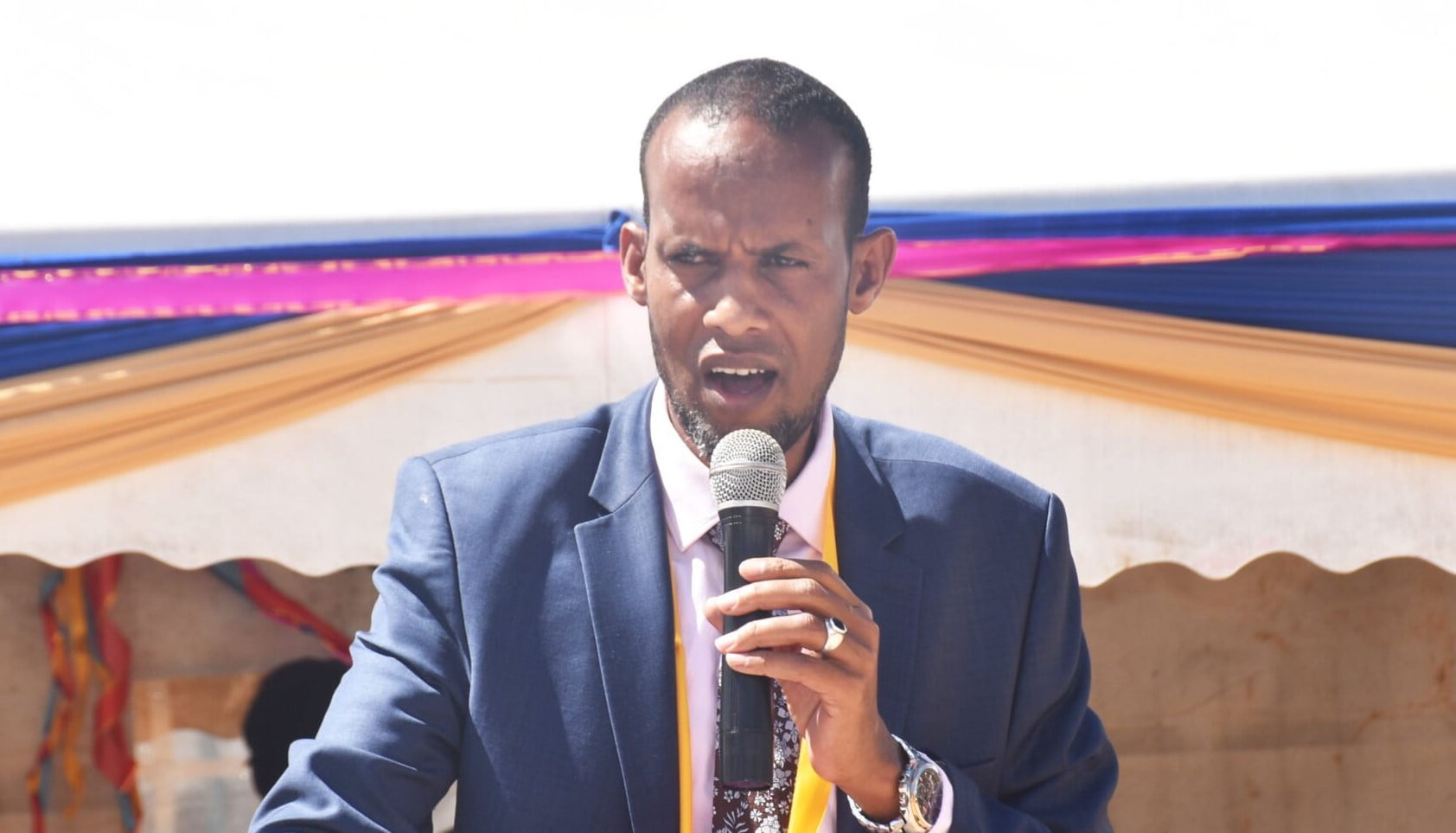
Somalia’s Permanent Secretary for the Ministry of Education, Culture and Higher Education, Hassan Ali, told delegates that Somalia had made significant progress in rebuilding its education sector after years of civil conflict.
“Our government has increased investment in education to improve both access and quality,” he said, adding that efforts were underway to support learning among pastoralist and remote communities.
Acting UNESCO Kenya CEO Dr James Njogu said the stakeholders’ forum was designed to ensure research findings directly inform education policies and decision-making.
“UNESCO is currently supporting nine education projects in Kenya, and we are finalising a report that will provide recommendations for strengthening the sector,” Dr Njogu said.
By Kimutai Langat
You can also follow our social media pages on Twitter: Education News KE and Facebook: Education News Newspaper for timely updates.
>>> Click here to stay up-to-date with trending regional stories
>>> Click here to read more informed opinions on the country’s education landscape