Many students today struggle with self-doubt, poor grades, discouragement, and difficult backgrounds. Some feel they are not intelligent enough to succeed in school, while others come from families facing financial hardship and believe their dreams are too far away.
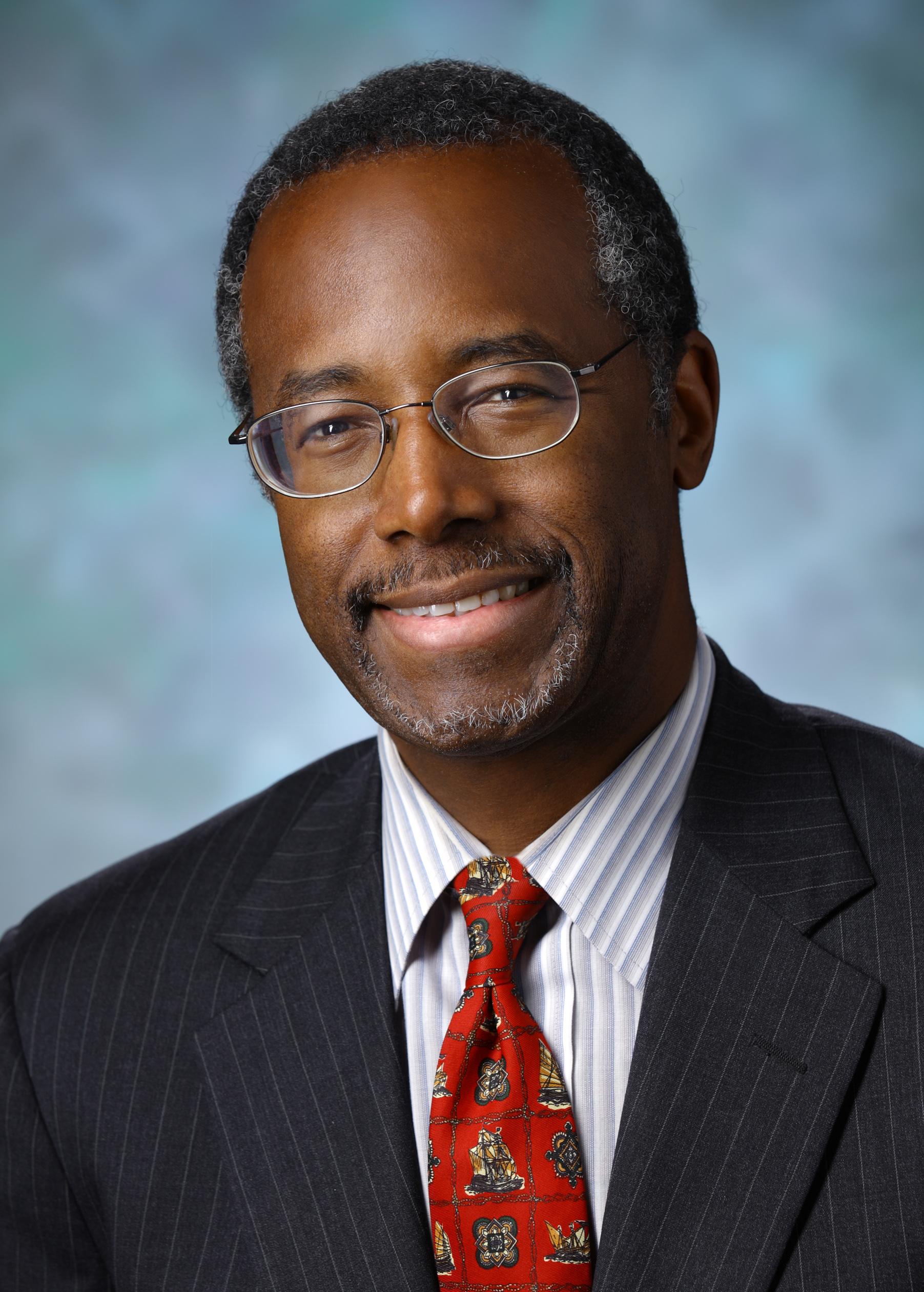
Yet history continues to prove that determination, discipline, and proper guidance can completely transform a person’s life. One of the greatest examples of this truth is the inspiring story of Ben Carson.
Ben Carson was born in Detroit, Michigan, in the United States during a period when racial discrimination and poverty affected many African-American families. His parents separated when he was still young, leaving his mother to raise him and his brother alone.
His mother, Sonya Carson, had very little formal education. She worked several jobs as a domestic worker to support her children. Life was difficult, and the family lived in poor neighbourhoods while struggling financially.
As a young boy, Ben Carson performed very poorly in school. In fact, he was once considered among the weakest students in his class. His classmates mocked him because of his poor academic performance.
He also had a terrible temper and often became frustrated easily. At one point, he almost injured a friend during an argument. Many people around him could not imagine that the same boy would one day become one of the world’s most respected brain surgeons.
However, his mother refused to allow her sons to surrender to failure. Although she lacked education herself, she strongly believed that education was the key to changing their future.
She introduced strict rules in the home. Television watching was limited. Instead, Ben and his brother were required to read books regularly from the library and submit written reports to her, even though she could barely read them herself.
At first, Ben hated the routine. Reading seemed boring and difficult. But gradually, something remarkable happened. The books expanded his thinking, sharpened his understanding, and increased his confidence.
He discovered that knowledge could open doors that poverty could not close. Slowly, his grades began to improve.
Through hard work and discipline, Ben Carson eventually became one of the best students in school. He later attended Yale University, where he studied psychology, before attending the University of Michigan Medical School to study medicine.
His journey from being the weakest student to joining prestigious universities became a powerful testament to the fact that academic failure is not permanent.
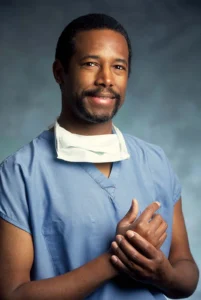
Ben Carson specialised in neurosurgery, one of the most demanding fields in medicine. Neurosurgeons operate on the brain and nervous system, areas that require extreme precision, intelligence, and concentration.
Carson gained worldwide fame in 1987 when he successfully led a complicated operation to separate conjoined twins who were joined at the head. The surgery lasted many hours and was considered nearly impossible. Yet his skill, preparation, and courage made the operation successful.
Over the years, Carson became Director of Pediatric Neurosurgery at Johns Hopkins Hospital and earned international recognition. He authored books, delivered motivational speeches, and became a symbol of hope for millions of young people worldwide.
Lessons Kenyan students can learn from Ben Carson
The story of Ben Carson carries powerful lessons for Kenyan students today.
First, background does not determine destiny. Many learners in Kenya come from humble families. Some walk long distances to school. Others study in schools with limited facilities. Some lack school fees, textbooks, or proper learning environments.
Yet Ben Carson’s life teaches that difficult beginnings do not prevent great achievements. A student’s determination matters more than their starting point.
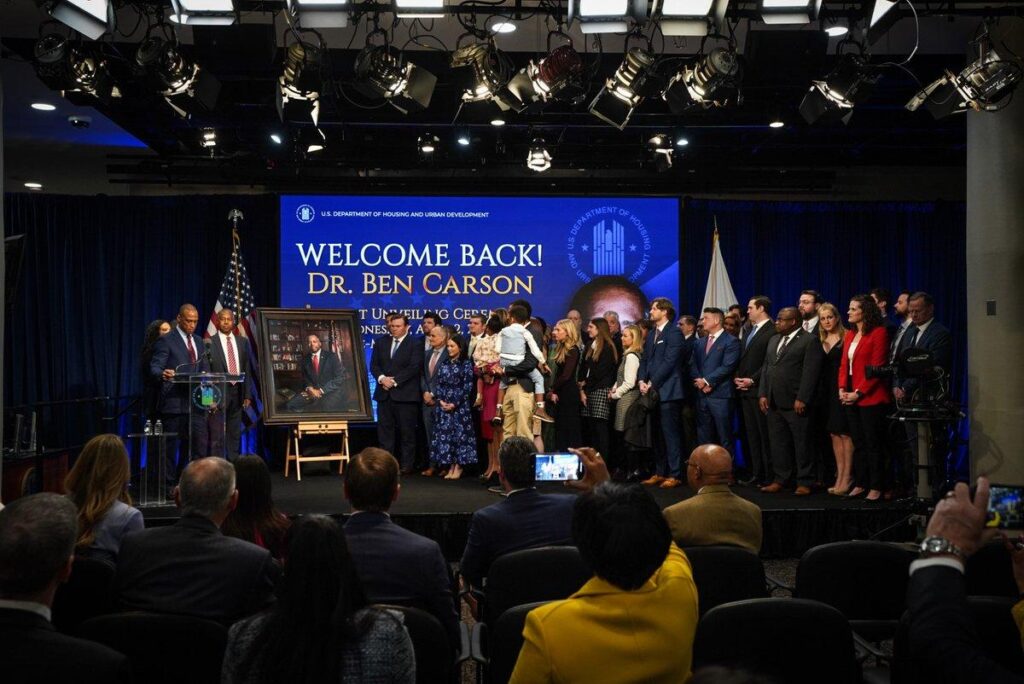
Second, reading changes lives. Carson’s transformation began when he developed a reading culture.
Unfortunately, many students today spend excessive time on their phones, social media, and entertainment, neglecting books. Reading improves language, expands knowledge, develops creativity, and strengthens thinking skills.
Kenyan learners must rediscover the habit of serious reading beyond classroom notes.
Third, discipline is necessary for success. Carson’s mother introduced rules and structure in the home.
Success rarely comes from comfort and laziness. Students who succeed academically usually manage their time well, attend classes consistently, revise seriously, and avoid destructive behaviours.
Discipline remains one of the greatest predictors of achievement.
Fourth, no student should define themselves by temporary failure.
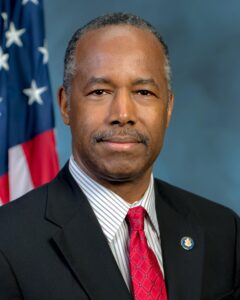
Many learners panic after poor examination results. Some lose confidence completely after failing mathematics, sciences, or languages.
Ben Carson once ranked among the weakest students, yet later excelled in one of the most intellectually demanding professions in the world. Improvement is always possible when a learner remains committed.
Fifth, parents and teachers play a major role in shaping learners.
Carson’s mother may not have possessed academic qualifications, but she possessed wisdom, vision, and determination.
Teachers and parents in Kenya must continue to encourage learners, guide them, monitor their progress, and believe in their potential, even when results are disappointing.
Lastly, talent must be combined with hard work.
READ ALSO: Lessons Kenyan teachers can draw from story of Ben Carson: He of Think Big fame
Carson did not become successful overnight. His achievements came through years of study, sacrifice, and persistence.
In modern society, many young people desire instant success without enduring the process of growth. Real success demands patience and consistency.
The story of Ben Carson reminds students that greatness is not reserved for the privileged alone. A struggling learner today can become a doctor, engineer, teacher, lawyer, scientist, or national leader tomorrow.
What matters is attitude, discipline, persistence, and belief in the power of education.
As I always tell my students, schools may not produce instant miracles, but they produce transformed lives for those who refuse to give up.
By Ashford Kimani
Ashford teaches English and Literature in Gatundu North Sub-county and serves as Dean of Studies.
You can also follow our social media pages on Twitter: Education News KE and Facebook: Education News Newspaper for timely updates.
>>> Click here to stay up-to-date with trending regional stories
>>> Click here to read more informed opinions on the country’s education landscape