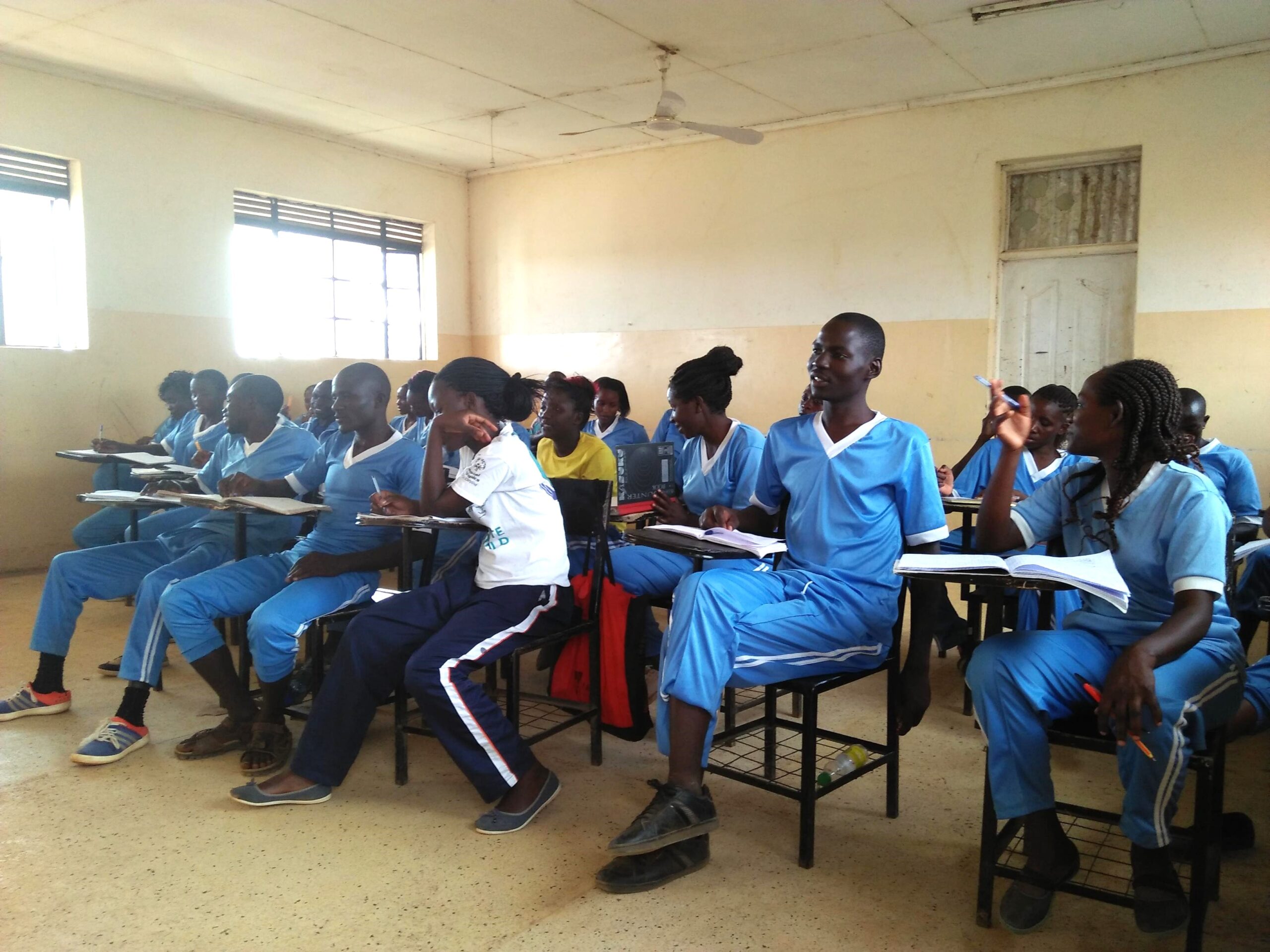
The government has been urged to further review the education curriculum to ensure technical skills training is introduced at the early childhood level, enabling learners with interest in vocational fields to nurture their talents from a young age.
Education experts argue that instead of delaying learners’ interaction with technical skills ; as they say is currently the case under the Competency-Based Education (CBE) system, children should receive practical technical instruction during their formative years and at an industrially relevant level.
Speaking at the University of Embu, education stakeholders noted that combining academic resources with grassroots action remains critical in encouraging young people to venture into technical and industrial careers.
University of Embu Deputy Vice-Chancellor in charge of Planning, Administration and Finance, Prof. Eucharia Kenya, together with Africa for SDGs Chief Executive Officer Dr. Joe Bonga, said stronger technical linkages would boost research, capacity building and innovative solutions necessary for sustainable development across Africa.
The experts cited recent findings linked to the Africa United Nations Sustainable Development Goals (UN-SDGs), which indicate that low youth participation in technical fields has weakened research, innovation and capacity building efforts across the continent.
Despite the adoption of the CBE curriculum, education stakeholders have continued to warn that unless technical skills are introduced early enough, the country will continue to experience low levels of technical expertise.
ALSO READ:
MoE recruits 300 new QASOs to boost school inspections and safety compliance
They observed that many learners under the current system are only exposed to hands-on technical training in higher grades, resulting in delayed preparation and entry into the industrial workforce.
The experts further suggested reviving aspects of the former 7-4-2-3 education system, where top-performing Certificate of Primary Education (CPE) candidates joined national schools offering technical subjects from Form One.
They also blamed the limited linkage between schools and grassroots private and public sector technical institutions, including industries, for denying learners practical exposure to technical skills.
The African Union’s Continental Education Strategy for Africa identifies the expansion of Technical and Vocational Education and Training (TVET) as a key strategic objective aimed at strengthening the connection between education systems and the world of work.
However, experts warned that continued low youth involvement in initiatives linked to the UN-SDGs has slowed research, innovation and sustainable development efforts across Africa.
It is against this backdrop that the University of Embu has intensified campaigns aimed at mobilising and empowering young people to champion the implementation of the United Nations Sustainable Development Goals.
According to a university report, Africa for SDGs is an initiative focused on building a network of passionate and committed youth to drive positive change locally and globally.
Under the programme, young people will be equipped with technical skills, resources and opportunities to become agents of change through increased awareness of the SDGs.
ALSO READ:
Kiambu youth gain digital boost as Romanian Ambassador donates computers to Ndumberi Hub
The initiative is also expected to strengthen the capacity of youth leaders and promote collaboration and partnerships for sustainable development.
During the signing ceremony of the partnership agreement between Prof. Eucharia Kenya and Dr. Joe Bonga, the University of Embu reaffirmed its commitment to supporting the programme.
The partnership will see the university collaborate with Africa for SDGs in resource mobilisation, training and capacity building for both staff and students.
Key areas of cooperation include student sponsorships, the SDGs Fellowship Programme and participation in global exchange programmes aligned with Global Citizenship Education (GCED).
The agreement will also support joint grant sourcing, research collaboration, curriculum development, technological innovation and staff capacity building.
Representatives from volunteer organisations and officials from the China-based Blue Sky Rescue (BSR) Foundation witnessed the signing ceremony.
By Robert Nyaga
You can also follow our social media pages on Twitter: Education News KE and Facebook: Education News Newspaper for timely updates.
>>> Click here to stay up-to-date with trending regional stories
>>> Click here to read more informed opinions on the country’s education landscape