The government has announced plans to partner with Konza Technopolis to digitize education records across the country, including data on learners, schools, teachers and bursary allocations.
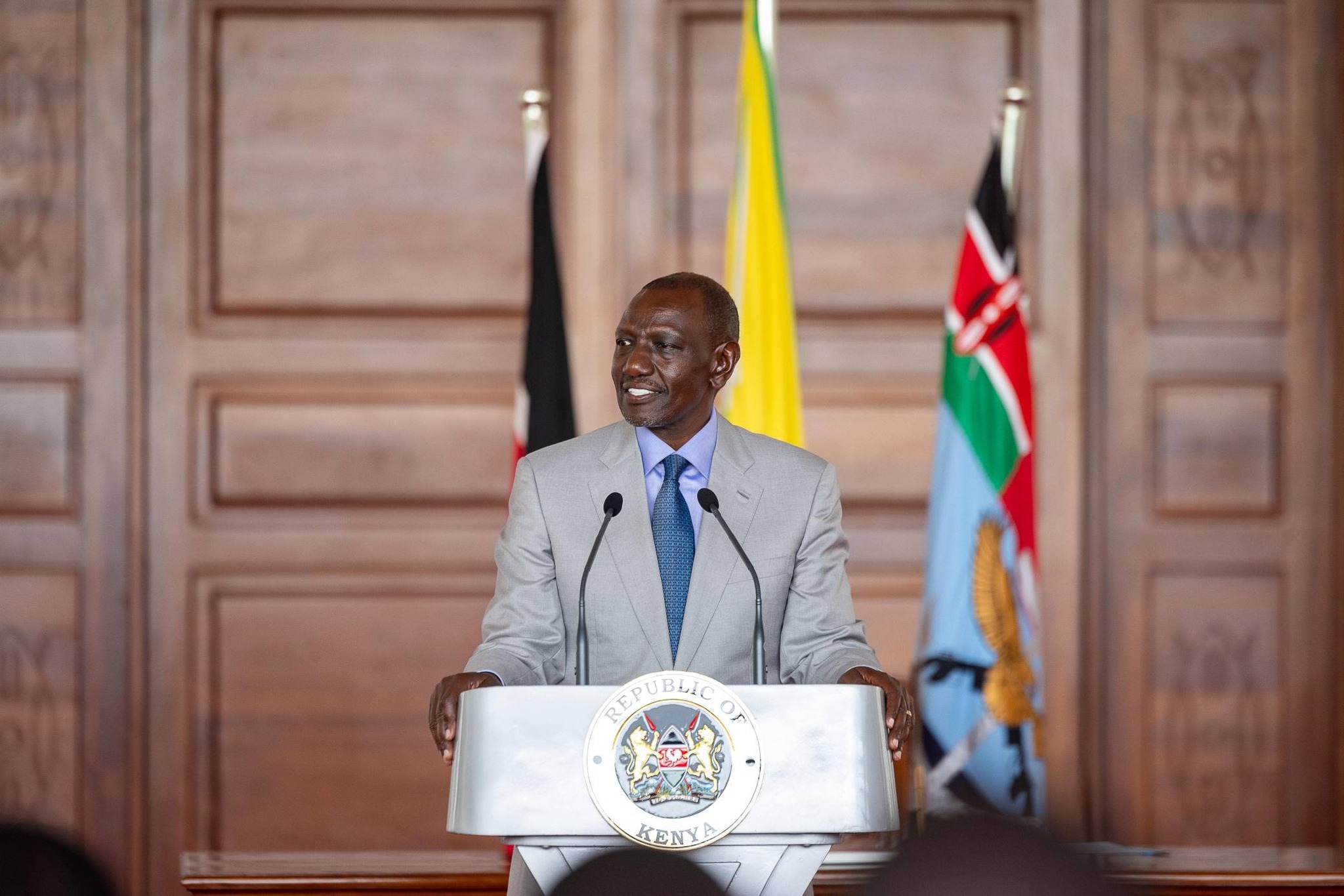
Speaking today during the 2nd National Education Conference in Naivasha, President William Ruto said the move will enhance transparency, accountability and efficiency in the management of the education sector through the use of digital technology and data systems.
The President noted that the digitization programme will enable the government to accurately verify the number of learners, teachers and schools, while also identifying gaps that need to be addressed to ensure the smooth implementation of education policies.
“I have instructed the Ministry of Education that within the next two months, we will work with Konza Technopolis to ensure the government digitizes all education records for every learner, teacher, school, bursary and related services,” Ruto said.
The Head of State further disclosed that a recent verification exercise uncovered thousands of non-existent students and schools in the Ministry of Education database.
ALSO READ:
MPs fault Bukura Agricultural College over failure to remit statutory deductions
According to the President, the audit revealed 87,000 “ghost students” in secondary schools for whom the government had been disbursing capitation funds despite their non-existence.
The exercise also identified about 800,000 ghost pupils in primary schools, resulting in an estimated loss of nearly Ksh1.2 billion annually in capitation funding. In addition, close to 200 schools listed in official records were found not to exist.
“When we carried out an audit to verify the number of students in primary and secondary schools, as well as the number of schools captured in the Ministry of Education database, we discovered serious discrepancies,” Ruto said.
He added that the government is demanding accountability from school heads and education officials at the county level, emphasizing that integrity and prudent use of public resources remain key priorities for the administration.
“We are asking very difficult questions to some of our headteachers and education leaders at the county level because accountability and integrity are central to ensuring that public resources are used properly,” he said.
By Juma Ndigo
You can also follow our social media pages on Twitter: Education News KE and Facebook: Education News Newspaper for timely updates.
>>> Click here to stay up-to-date with trending regional stories
>>> Click here to read more informed opinions on the country’s education landscape