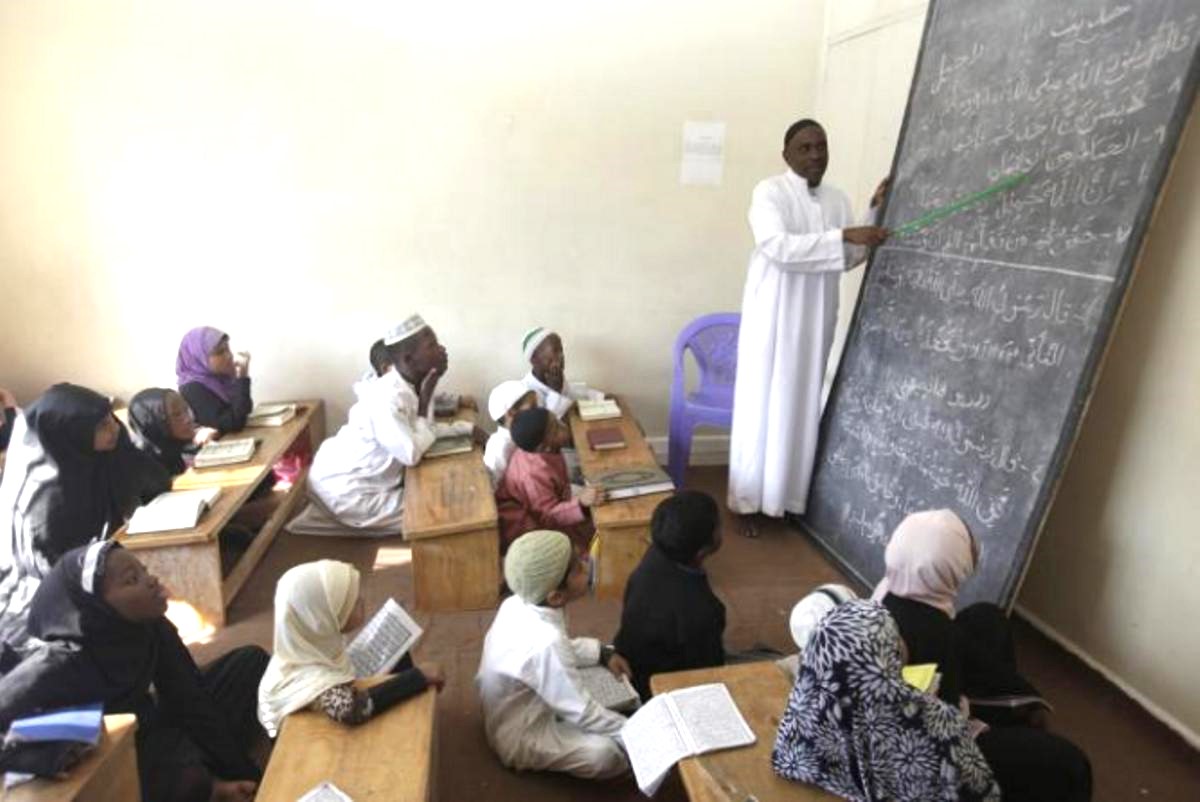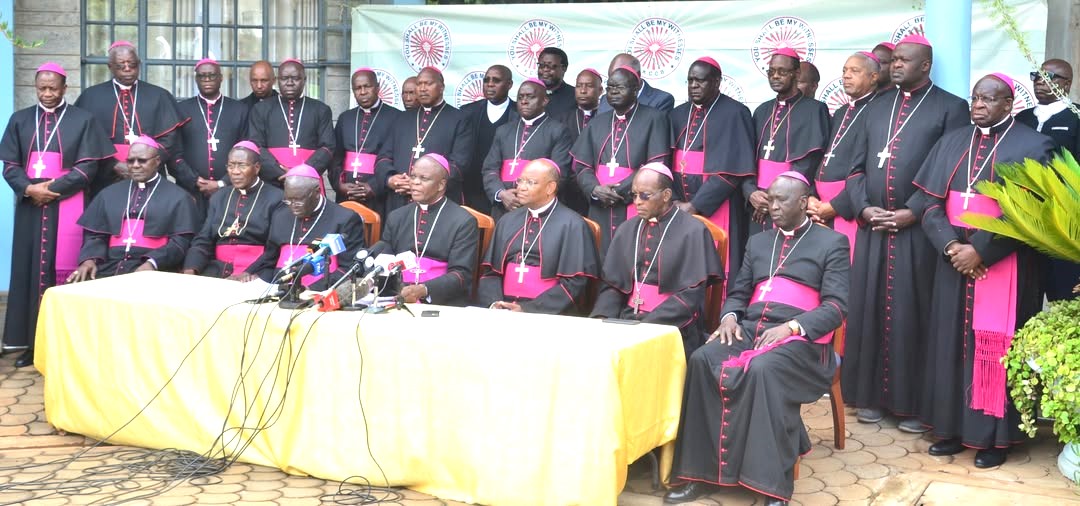
The Kenya Conference of Catholic Bishops (KCCB) has raised concerns over the implementation of the Competency-Based Education (CBE) system, criticising its planning and execution as poorly managed.
Addressing the media on Thursday, the bishops emphasised that the transition from the 8-4-4 system has revealed significant gaps in the design and implementation of CBE.
The bishops warned against using students as “subjects of constant experimentation,” asserting that the government had ample expertise to prepare for such a large-scale change before rolling out the system.
While they acknowledged the CBE’s aim to foster practical skills, creativity, and critical thinking, the clerics pointed out that the system has become resource-intensive, burdening schools with shortages of teachers, equipment, and funding.

“The implementation of CBE is capital-intensive. It requires more teachers, equipment, and financial resources than the system can currently provide,” the bishops noted.
To address these issues, they called on the Ministry of Education to urgently establish a multi-sectoral team to review and refine the CBE system to ensure its effectiveness and sustainability. The bishops underscored the need for careful evaluation and proper design to streamline the system and avoid further disruption to the education sector.
Additionally, the bishops voiced concerns over what they perceived as attempts to diminish the role of school sponsors. They emphasised that sponsors are critical in maintaining the values and ethical standards of education, and their role should not be undermined.
SHA operations
The bishops also expressed grave concerns over the current state of Kenya’s health system, particularly regarding the Social Health Authority (SHA). They highlighted delays in health payments and ongoing challenges in the SHA’s operations, especially in the processing of claims. The bishops pointed out confusion surrounding rejected and returned claims, and questioned the role of the Digital Health Authority (DHA) in resolving these issues.

The bishops noted that the delays in health payments are putting lives at risk. They also raised concerns about the large sums of money owed to faith-based health facilities by the SHA.
In light of these operational challenges, the bishops called on the government to urgently fix the structural weaknesses in the health system. They warned that the continued inefficiencies could harm patients who rely on timely and affordable medical services, urging the government to take swift action to safeguard the well-being of the population.
READ ALSO: Teachers revolt over SHA Cover as Outpatient limits trigger outrage
Beyond these policy issues, the bishops also aimed at the growing issue of corruption in the country. They described corruption as a major threat to Kenya’s development and social fabric, warning that greed and graft have become normalised in society.
In their statement, the bishops stressed the importance of upholding moral values, particularly in the context of family. They reaffirmed that families are the foundation of a stable society and must be protected from external pressures that threaten their well-being.
By Obegi Malack
You can also follow our social media pages on Twitter: Education News KE and Facebook: Education News Newspaper for timely updates.
>>> Click here to stay up-to-date with trending regional stories
>>> Click here to read more informed opinions on the country’s education landscape
>>> Click here to stay ahead with the latest national news.