Higher learning institutions have been challenged to champion planting of medicinal trees and herbs so as to promote learning, research and environmental conservation.
Dr Michael Mung’oma, the Dean of the School of Pharmacy Alumni Network at Mount Kenya University, maintains that besides contributing towards the country’s environmental conservation agenda, medicinal trees and herbs play a crucial role in boosting research in medical-related fields.
He emphasized the critical role of plants in healthcare and the need to preserve biodiversity for future generations. “This initiative bridges education and environmental responsibility, ensuring that our students appreciate the direct link between nature and medicine,” he said.
ALSO READ:
Teacher employment and promotions top KNUT’s agenda as Oyuu begins second term
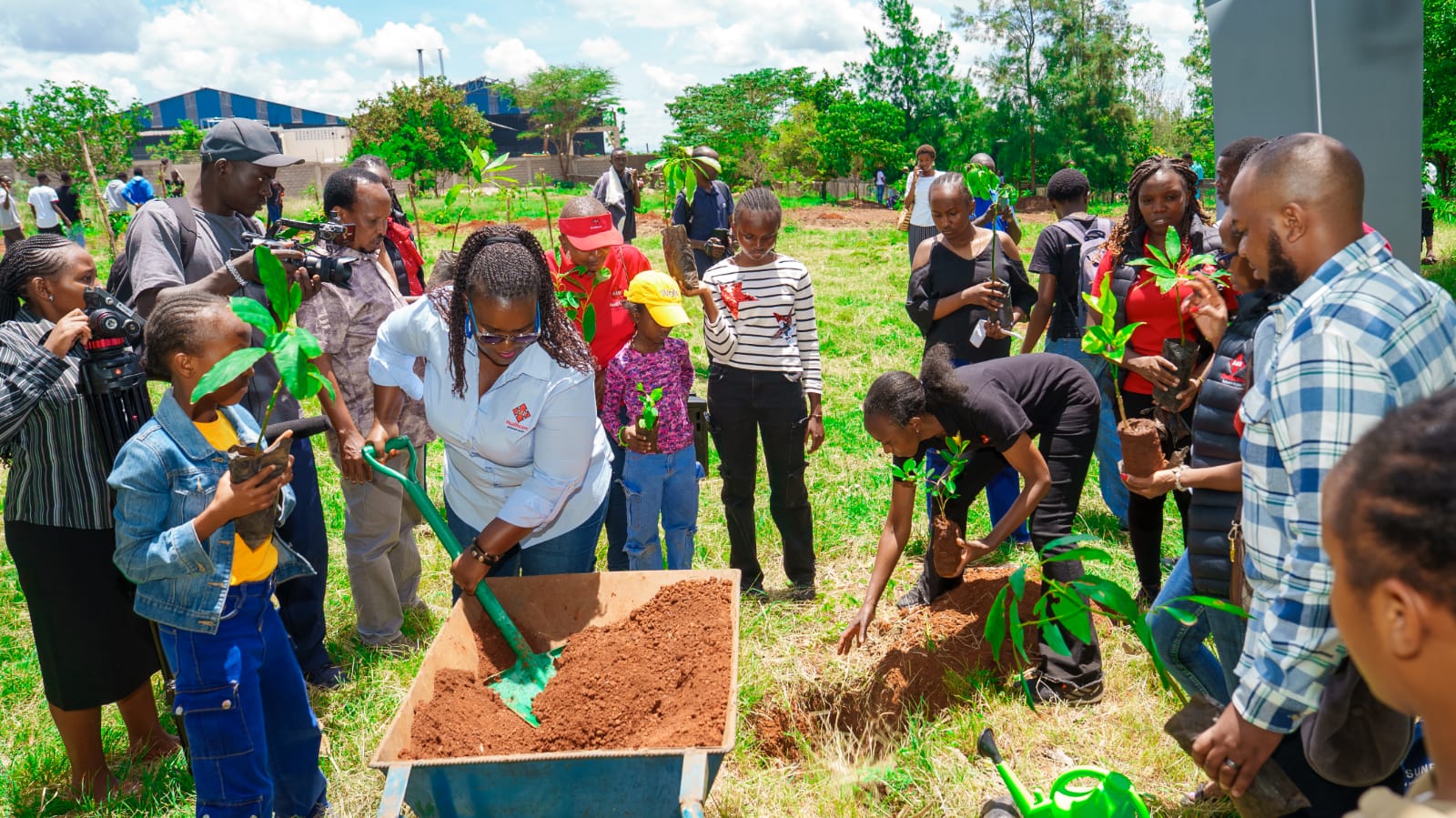
He spoke at the University’s Happy Valley Pavilion in Thika when the School, together with the Pharmacy Students Association, participated in a tree planting drive.
The exercise was aimed at establishing a ‘living herbarium’ that will be a sustainable resource, supporting teaching, research and the conservation of medicinal plants.
A living herbarium, often exemplified by botanical gardens or specialized plant collections, is a curated, scientifically managed collection of living plants grown for study, education and conservation
The herbal garden will provide students with hands-on learning opportunities while enhancing the school’s capacity for research in pharmacognosy and natural product development.
Dr Mung’oma also cited the UN’s SDG (Sustainable Development Goals) 13 and 15, which require collective combating of climate change and its action as well as promoting sustainable use of terrestrial ecosystems.
“Through this activity, the School of Pharmacy reaffirmed its commitment to supporting national and global environmental goals,” he said.
The Principal Corporate Services, Communication &Alumni Relations, who is also MKU’s Director of Linkages, Prof. Mwangi Peter Wanderi, reminded everyone of the critical need to embrace Vision 2030 at an individual level in order to support positive change in the country.
The exercise also contributes to Kenya’s national target of planting 15 billion trees by 2032, an initiative aimed at restoring degraded landscapes and increasing national tree cover to over 30 per cent. Initiated in 2023, national tree planting days are official public holidays focused on nationwide planting efforts, with over 150 million seedlings often planted in one day.
ALSO READ:
From orientation to graduation: A journey of the highs and lows of campus life.
Kenya’s national forest cover is estimated at 9pc (roughly 5.2 million hectares), with a total tree cover of 12pc. While this is a significant increase, it remains below the 10pc constitutional target. To bridge the gap, a country-wide initiative is led by the Kenya Forest Service (KFS) in collaboration with the government, NGOs, and community groups, often targeting degraded landscapes.
According to Prof Peter Kirira, Deputy Vice-Chancellor in charge of Administration, Planning and Institutional Advancement (APIA) at MKU reinstated that growing trees is more impactful than just planting them and encouraged sustainable stewardship in conservation.
Partners and donors present at the event, including AAR Healthcare, Analabs and Najimudu Empowerment Initiative, commended the university for integrating sustainability into academic programmes and pledged continued collaboration in similar initiatives.
The students also actively participated in planting and learning sessions, reinforcing their role as future healthcare professionals who are conscious of environmental stewardship.
By John Kamau
You can also follow our social media pages on Twitter: Education News KE and Facebook: Education News Newspaper for timely updates.
>>> Click here to stay up-to-date with trending regional stories
>>> Click here to read more informed opinions on the country’s education landscape