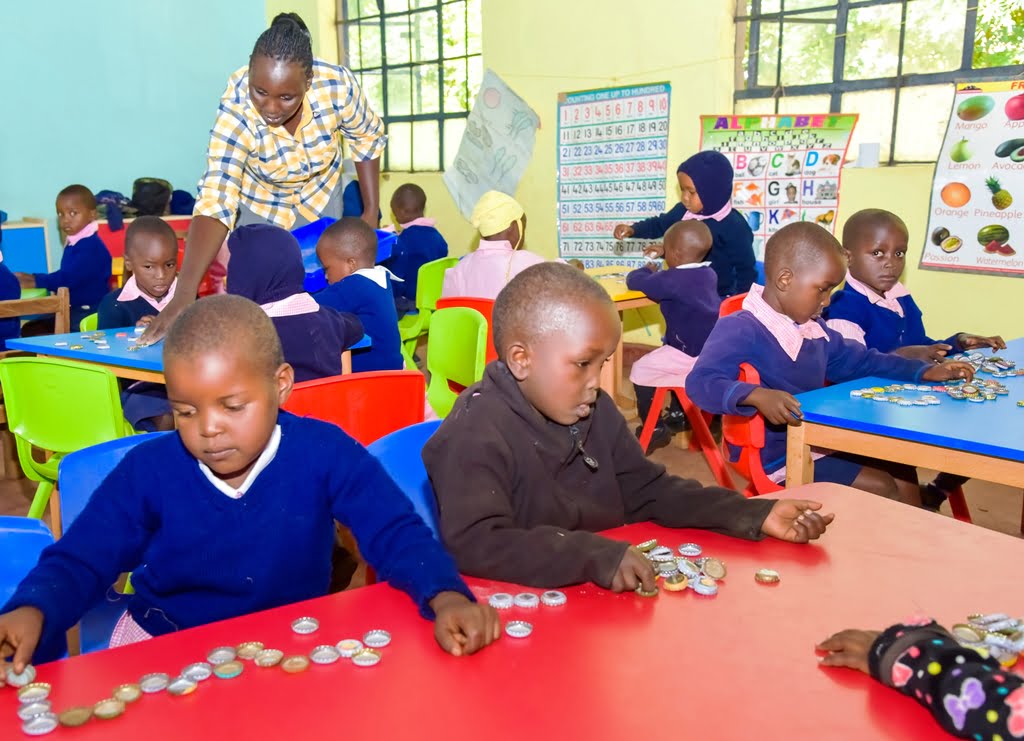
Education does not begin at school; it begins at home. Long before a child encounters formal instruction, they are already absorbing lessons—about language, discipline, curiosity, relationships, and self-worth—from their caregivers. Parenting, therefore, is not merely supportive of education; it is foundational to it. The attitudes, values, and structures established at home significantly influence how a child approaches learning, performs academically, and navigates social environments.
At the core of this influence is the emotional climate created by parents. Children who grow up in stable, nurturing environments tend to develop a sense of security that allows them to explore, question, and take intellectual risks. Conversely, environments marked by neglect, conflict, or inconsistency often produce anxiety, low self-esteem, and disengagement from learning. A child’s capacity to concentrate in class or persist through difficulty is frequently a reflection of what they experience at home.
The contribution of each parent, while ideally complementary, often manifests differently. Traditionally, mothers are associated with emotional nurturing and day-to-day academic supervision. They are more likely to engage in activities such as reading with the child, monitoring homework, and maintaining communication with teachers. This consistent involvement builds routines and reinforces the importance of education. It also fosters language development and emotional intelligence, both of which are critical for academic success.
Fathers, on the other hand, often contribute through modelling discipline, structure, and goal orientation. Their involvement tends to correlate strongly with a child’s confidence, especially in risk-taking and problem-solving contexts. A present and engaged father can influence a child’s attitude toward authority, resilience, and ambition. Research consistently shows that children with involved fathers are more likely to perform better in school, exhibit fewer behavioural problems, and develop stronger social skills.
However, these roles are not rigid. Effective parenting is less about gendered responsibilities and more about consistency, presence, and intentionality. In households where both parents actively participate in a child’s education—attending school meetings, discussing academic progress, setting expectations—the child benefits from a reinforced system of accountability and encouragement.
The reality, however, is that not all children are raised in two-parent households. In many contexts, including across Kenya, grandparents play a significant role in child-rearing. This arrangement often arises due to economic migration, parental absence, or loss. Grandparents bring unique strengths to a child’s educational journey. They often provide stability, cultural grounding, and moral instruction. Their life experience can instil discipline, respect, and a strong sense of identity.
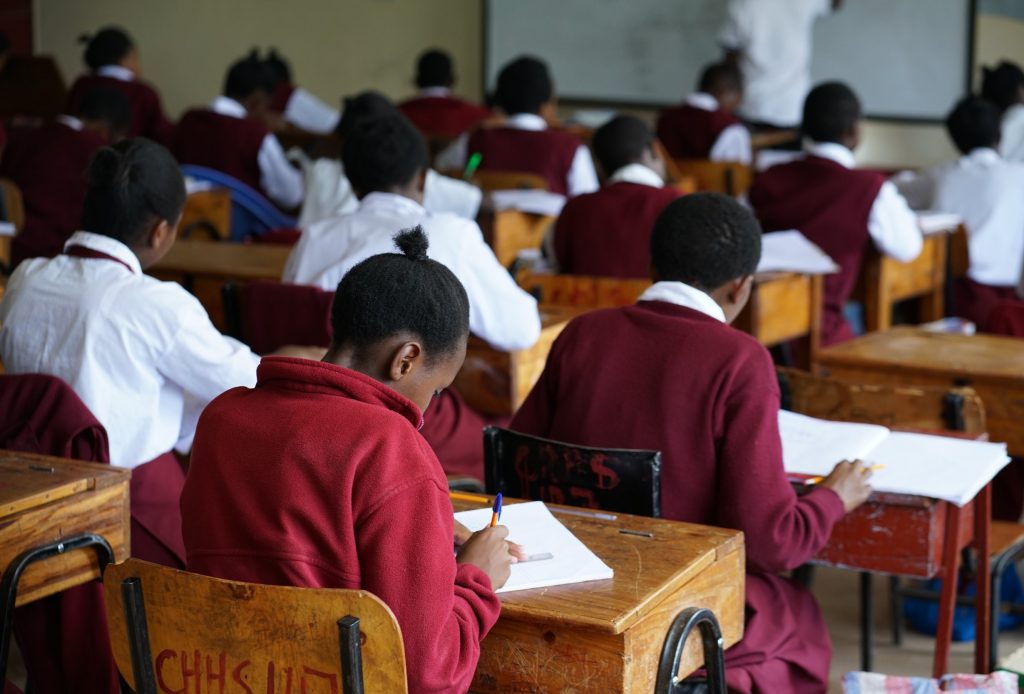
Yet, there are also challenges. Grandparents may not always be equipped to support modern academic demands, particularly in a rapidly evolving, technology-driven curriculum. They may struggle to assist with homework or to understand contemporary teaching methods. Additionally, generational gaps can sometimes limit open communication, especially on issues such as mental health or career aspirations. Despite these challenges, children raised by grandparents can thrive academically when there is community or institutional support to bridge these gaps.
Children who grow up without their biological parents—whether under guardianship, foster care, or institutional settings—face a different set of dynamics. The absence of biological parents can create emotional voids that affect concentration, motivation, and self-perception. Feelings of abandonment or instability may manifest as behavioural issues or academic underperformance. However, it is important to note that biology does not define parenting effectiveness. What matters most is the quality of care, consistency, and emotional investment provided by caregivers.
Supportive guardians, even if not biologically related, can create environments where children feel valued and capable. Schools also play a crucial role here, acting as stabilising institutions that can provide mentorship, counselling, and a sense of belonging. Teachers, in such cases, often become surrogate anchors in a child’s life, reinforcing positive behaviours and academic aspirations.
Ultimately, the impact of parenting on education can be understood through three key dimensions: involvement, expectations, and environment. Parental involvement signals to the child that education is important. Expectations set the standard for performance and behaviour. The home environment determines whether the child has the emotional and physical space to learn effectively.
READ ALSO: How your parenting style influences your child’s learning
Where parenting is intentional and supportive, children are more likely to develop intrinsic motivation, resilience, and a lifelong love for learning. Where it is absent or inconsistent, schools are often left to compensate, a task that is both complex and limited in scope.
Education, therefore, is not solely the responsibility of teachers or institutions. It is a shared enterprise, with parenting as its most influential pillar. Whether through biological parents, grandparents, or guardians, the message remains the same: the quality of care a child receives at home will inevitably shape the quality of education they attain.
By Ashford Kimani
Ashford teaches English and Literature in Gatundu North Sub-county and serves as Dean of Studies.
You can also follow our social media pages on Twitter: Education News KE and Facebook: Education News Newspaper for timely updates.
>>> Click here to stay up-to-date with trending regional stories
>>> Click here to read more informed opinions on the country’s education landscape
>>> Click here to stay ahead with the latest national news.