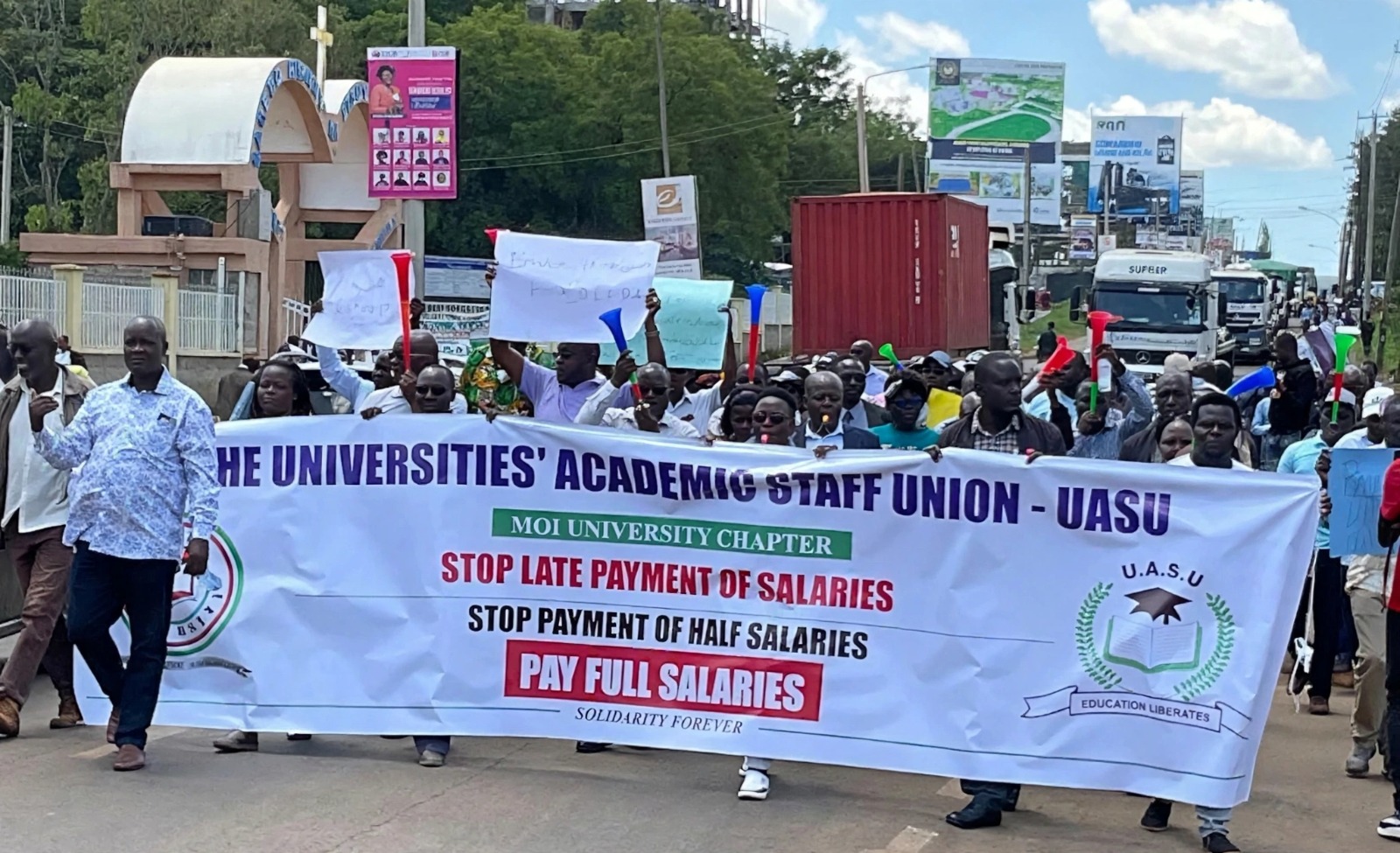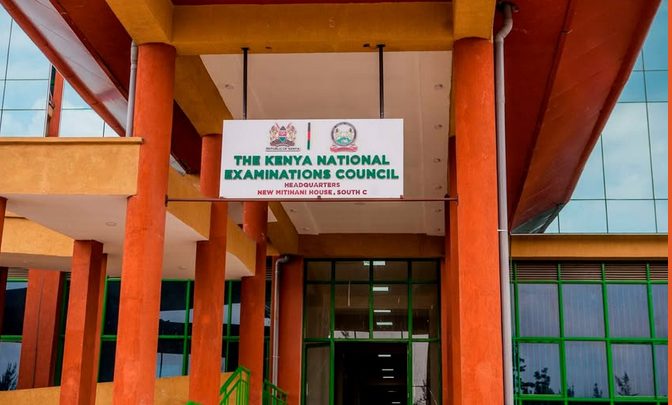
The Kenya National Examinations Council (KNEC) is facing intense criticism from teachers over delayed payments for their services in administering national exams. The controversy has sparked outrage on KNEC’s social media platforms, with teachers questioning the council’s priorities. While KNEC has been swift in advertising for item writing, it has been slow in paying allowances to contracted professionals, including teachers.
“The word audacity should be replaced with KNEC,” one irate teacher remarked, referencing the council’s recent Women’s Day greeting and Eid Fitr celebrations. This isn’t the first time KNEC has faced criticism for delayed payments, with teachers previously threatening to boycott exams and staging protests over unpaid allowances.
KNEC attributes the delays to budgetary constraints, cash flow issues, data mismatches, documentation problems, and verification processes. Education Cabinet Secretary Julius Ogamba has assured teachers that the ministry is working with the National Treasury to expedite payments. However, teachers remain skeptical, citing instances of KNEC underpaying examiners, sometimes as low as Ksh30 per script.

The situation remains tense, with teachers demanding timely payments and KNEC working to resolve the issue. The prolonged delays have demoralized teachers, affecting their livelihoods and overall well-being. KNEC’s payment track record has been inconsistent, with some teachers receiving payments months after the exams, while others are still awaiting payment.
In 2024, exam invigilators faced delayed payments, with some receiving their dues months later. This year, the situation is similar, with KNEC citing budget constraints for the delays. Teachers are calling for KNEC to prioritize their payments, emphasizing that their work is crucial to the education system. The council’s response to the crisis will be closely watched, with many wondering if it can restore trust with its stakeholders.The Kenya National Examinations Council’s (KNEC) payment structure involves processing payments through the National Treasury, which often leads to delays.
KNEC processes exam-related payments, including invigilation and marking allowances, but funds are disbursed through the National Treasury, causing delays due to budgetary constraints. As a result, teachers are often caught in the middle, having to follow up with KNEC and the Treasury for payments.
The impact of delayed payments on teachers is significant, leading to financial strain, demoralization, and decreased motivation. Some teachers have taken drastic measures, such as boycotting exams or protests, to demand timely payments. KNEC has promised to improve its payment processes, but the situation remains a challenge.
In an effort to address the issue, Education Cabinet Secretary Julius Ogamba has assured teachers that the ministry is working with the National Treasury to expedite payments. However, the prolonged delays have affected teachers’ livelihoods and overall well-being, with some receiving payments months after the exams.
ALSO READ:
KNEC should clear the air on the delayed payment to examiners as anxiety builds
The situation highlights the need for KNEC to review its payment structure and explore alternative solutions to ensure timely payments to teachers. Until then, teachers will continue to face uncertainty and financial strain, affecting their ability to provide quality education to students.
By Kimtai Cherongis
You can also follow our social media pages on Twitter: Education News KE and Facebook: Education News Newspaper for timely updates.
>>> Click here to stay up-to-date with trending regional stories
>>> Click here to read more informed opinions on the country’s education landscape