Special Needs Education institutions across Kenya are facing a severe shortage of qualified teachers, leaving thousands of learners with disabilities without adequate support.
The Teachers Service Commission (TSC) has revealed that out of more than 439,000 teachers nationwide, only 9,340 are trained to handle learners with special needs, representing just 2.1 per cent of the teaching workforce.
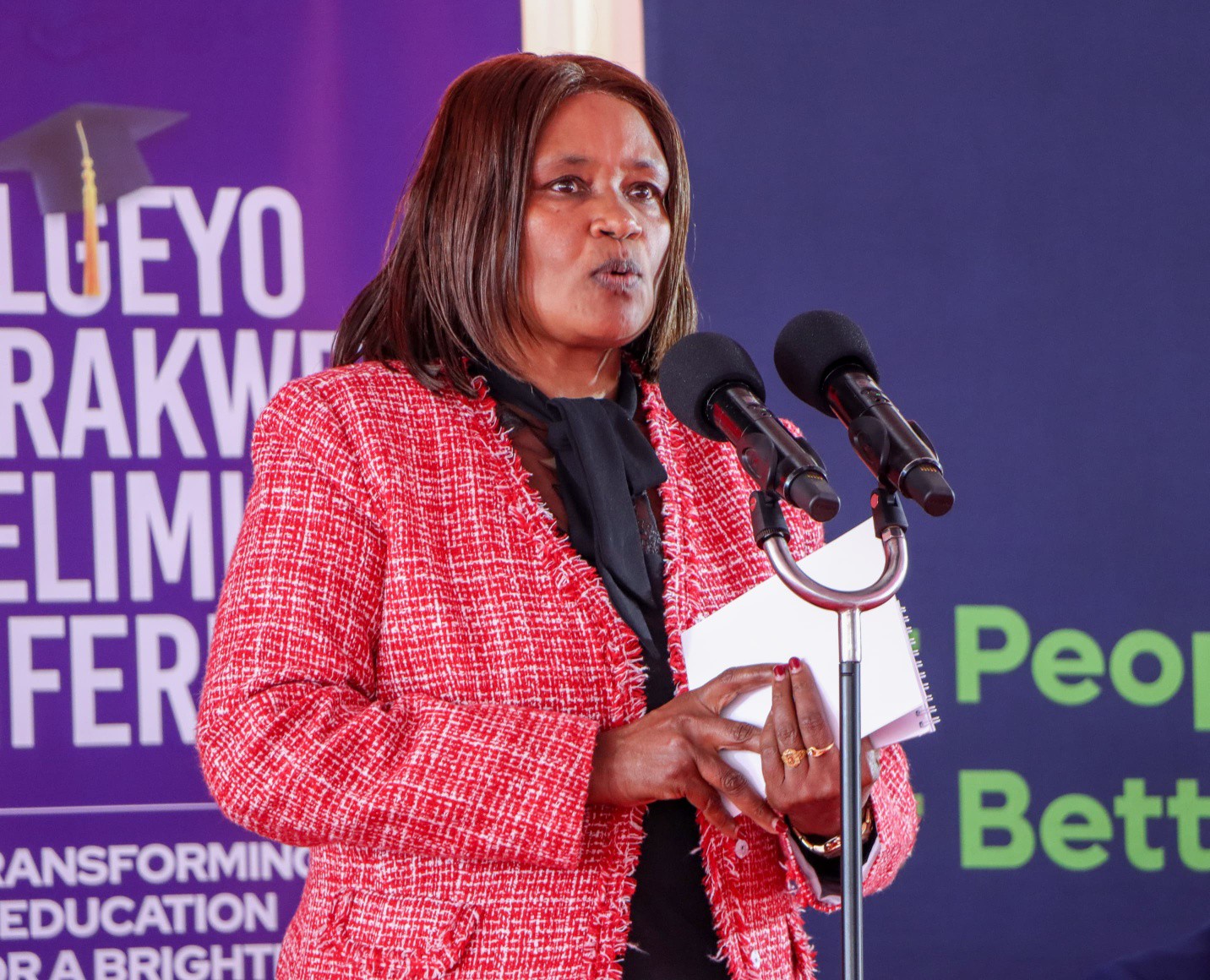
TSC Acting Chief Executive Officer Evaleen Mitei said the gap is most pronounced in highly specialised areas such as deaf-blindness and multiple disabilities. “We need more Special Needs Education teachers, especially for science and vocational skills under the stage-based curriculum,” she told participants at the Kenya Disability Parliamentary Association (KEPIDA) forum in Mombasa County.
ALSO READ:
Yes, I am with us; a sobering lesson from Hon. Mwengi Mutuse
Mitei noted that budget constraints have hampered recruitment and promotion of teachers, worsening the shortage. Despite these challenges, she affirmed that the commission remains committed to equal opportunities during recruitment, applying affirmative action to ensure persons with disabilities are considered.
Over the last four financial years, TSC has recruited 2,723 teachers with disabilities across all levels. Mitei explained that at least five per cent of advertised vacancies per sub-county are reserved for teachers with disabilities, who compete among themselves under a separate scoring system. Applicants must be qualified teachers registered with the National Council for Persons with Disabilities.
She added that recruitment outcomes are demand-driven, based on subject and level requirements declared by schools. “For example, where a vacancy is declared for a specialised subject such as physics, recruitment depends on the number of qualified teachers with disabilities available in that specific teaching subject and who meet all prescribed requirements relevant to the job advertised,” she said.
KEPIDA chairperson and Westlands MP Timothy Wanyonyi underscored the broader challenges facing persons with disabilities, noting that stigma, discrimination, and systemic barriers continue to limit their full participation in society. “Public awareness of disability rights and inclusion is still low,” he said.
ALSO READ:
Wanyonyi added that persons with disabilities often have limited access to essential services such as education, healthcare, and employment, while infrastructure and most public services remain non-inclusive. He further highlighted that data on persons with disabilities is inadequate and fragmented, making planning and service delivery difficult.
Despite Kenya’s legal frameworks supporting disability inclusion, Wanyonyi said gaps in execution persist, excluding many from opportunities in education, employment, and public life. He called for sustained engagement to ensure commitments translate into measurable outcomes.
By Masaki Enock
You can also follow our social media pages on Twitter: Education News KE and Facebook: Education News Newspaper for timely updates.
>>> Click here to stay up-to-date with trending regional stories
>>> Click here to read more informed opinions on the country’s education landscape