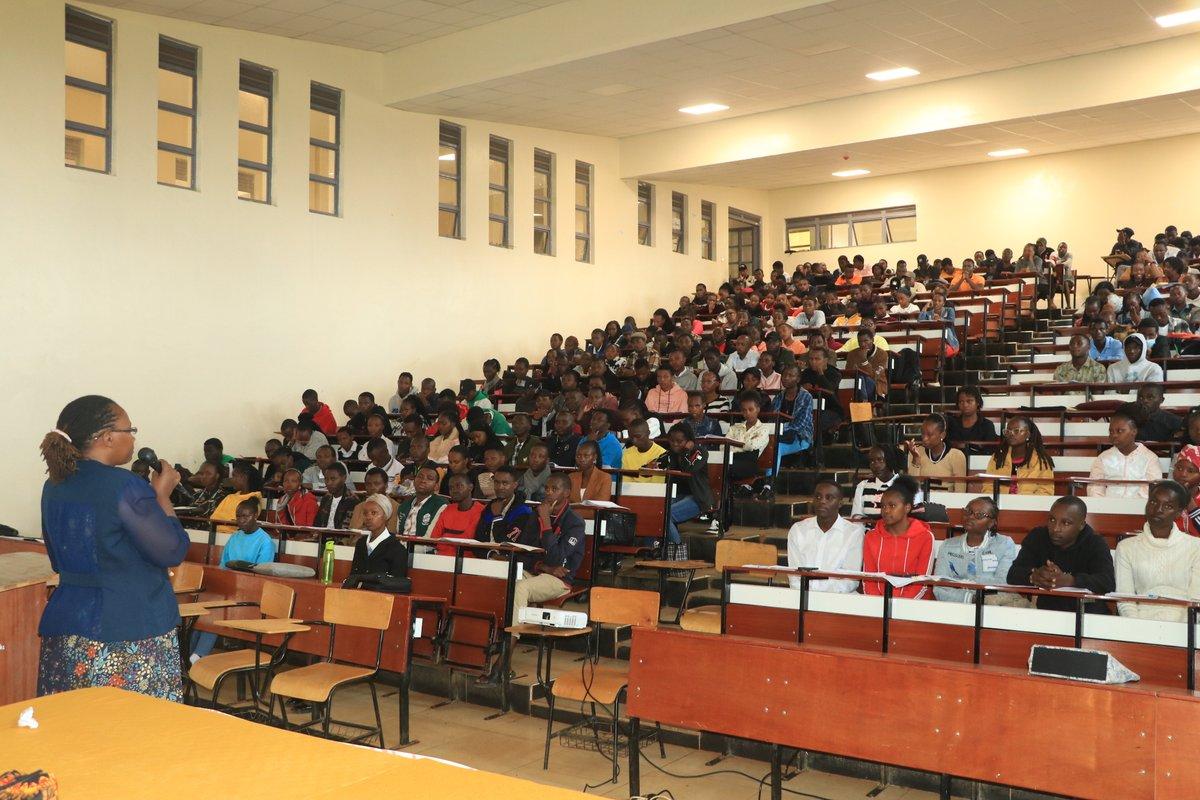
A teacher in Kenya begins their career with hope and purpose, only to face a slow, demanding journey through promotion rules that often delay growth and rewards until late in life.
There is a quiet war being waged across Kenya’s classrooms, staffrooms, and teacher lounges. It is not fought with placards or protests, although those are part of the story. It is fought in payslips, in deductions, in allowances that barely cover real life. It is fought in patience—sometimes too much patience—and in the slow climb toward the professional summit that seems just out of reach for most. At the centre of this conflict is a question that refuses to go away: Are teachers in Kenya being paid to thrive—or are they simply surviving?
The Teachers Service Commission (TSC) has carefully mapped out a salary ladder from B5 to D5. On paper, it is structured, orderly, and promising. It rewards experience. It creates clear milestones. And it promises higher pay, increased responsibility, and the prestige of leadership. In reality, this ladder is a marathon disguised as a sprint. The ascent is long. For the majority of teachers, it is a lifetime of service before the summit is reached. The story of Kenya’s top teachers is not just about pay—it is about timing, opportunity, endurance, and the delayed gratification of decades of work.
The Journey Begins: B5 and Survival Mode
A teacher enters the profession usually between 23 and 27 years old, often after rigorous training and qualification. They step into the lowest professional grade, B5, designated for Primary Teacher II, earning between KSh 28,600 and KSh 37,100. At this stage, energy is high, optimism is strong, and the desire to shape young minds is palpable. But the salary? Barely enough to survive. Rent, transport, food, and family obligations consume nearly every shilling. There is no room for savings. No room for investment. No margin for error. Survival is the name of the game.
Teachers at this stage work relentlessly. They manage large classrooms, often with more than 50 learners, prepare lessons, and juggle extra duties. Yet the reward for their effort is marginal. The system rewards endurance, but not yet prosperity. Teachers are expected to perform miracles with minimal resources—and they do, day after day, year after year.
The Climb Through Middle Grades: C1 to C3
After a few years, a teacher may move into C1, which includes Primary Teacher I and Secondary Teacher III, earning KSh 31,750 to KSh 39,550. This is a slight improvement, but not transformative. The basic struggle remains. The difference between C1 and B5 might be a few thousand shillings—enough to ease some immediate strain but nowhere near life-changing.
Next come C2 (Secondary Teacher II), with salaries ranging from KSh 41,400 to KSh 51,900, and C3 (Senior Teacher/Secondary Teacher I), with earnings ranging from KSh 52,300 to KSh 62,300. Teachers in these grades begin to experience slight financial stability. They can occasionally save, plan, or consider modest investments. But the pressure of life continues. Living expenses rise. Family responsibilities grow. And career progression is not guaranteed—it requires patience, performance, and often the mercy of opportunity.
This phase, from B5 through C3, typically spans 10 to 15 years. By the time a teacher reaches the mid-level grades, they are likely in their mid-to-late 30s or early 40s. These are the years of highest productivity, yet teachers are still operating largely in survival mode. The system asks for decades of dedication before the real rewards are felt.
Leadership Threshold: C4 and C5
The next phase in the career ladder is where leadership responsibilities begin to emerge. C4 positions, such as Deputy Headteacher II or Senior Master, offer salaries ranging from KSh 63,700 to KSh 79,700, while C5 positions, including Deputy Headteacher I and Assistant Principals, offer earnings of KSh 80,900–99,300.
This is a notable jump. For the first time, financial breathing room emerges. Teachers can begin planning beyond mere survival, considering investments or small purchases previously out of reach. The climb to C4–C5 is not easy. It often takes an additional 8–12 years after reaching mid-level grades, meaning that teachers are usually in their 40s by the time they attain these positions. Even at this stage, the system’s pattern remains clear: the rewards come late. Teachers have invested decades, endured financial strain, and managed heavy workloads. Leadership roles provide recognition and better pay, but by now, personal energy is not what it used to be, and the window for fully benefiting from these rewards is narrowing.
The Top of the Ladder: D1 to D5
The pinnacle of the teaching profession is defined by D1-D5. These grades include Senior Deputy Principals, Deputy Principals II, Principals, Chief Principals, and Directors. Salaries here exceed KSh 100,000, and the responsibilities are immense: overseeing institutions, managing staff, ensuring academic excellence, and shaping the future of the education system itself.
But here’s the critical fact: most teachers do not reach these heights until their late 40s, 50s, or even early 60s.
D1 (Senior Deputy Principal): 45–52 years
D2 (Deputy Principal II): 48–55 years
D3 (Principal): 50–58 years
D4 (Chief Principal): 52–60 years
D5 (Director/Top TSC Leadership): 55–60 years
It is a sobering timeline. By the time a teacher reaches the highest job groups, decades of professional labour have passed. Peak earning potential aligns almost perfectly with retirement. Experience is rewarded, yes—but only after years of delay. For many, the rewards arrive just when energy begins to wane, personal priorities have shifted, and the professional finish line is already in sight.
The Timing Paradox
This timing creates a paradox. The system asks for maximum effort during the years when teachers are most energetic, productive, and influential in classrooms, but offers financial and professional rewards predominantly in the years when retirement looms near.
The consequence is clear: young teachers work relentlessly while earning minimally. Mid-career teachers carry heavy responsibilities without commensurate compensation. Older teachers finally enjoy stability—but often too late to fully capitalise on it. In short, the system emphasises endurance over early prosperity. Survival is rewarded; thriving is postponed.
Psychological and Social Costs
The delayed reward structure is not just a financial issue—it is deeply psychological. Teachers are expected to inspire, mentor, and shape future generations, yet many operate under financial strain for the better part of three decades. This fosters stress, fatigue, and, in some cases, a quiet sense of resentment. Morale can decline, particularly when the long path to top positions seems unclear or blocked.
Younger teachers often witness this slow progression and may question whether the profession can meet their long-term aspirations. Some leave for private schools, corporate roles, or entirely different careers where advancement is faster, pay is higher, and personal sacrifice is less prolonged. This attrition can weaken the public education system, leaving it reliant on the perseverance of those willing to endure decades of gradual progress.
Even at the top, age brings limitations. While higher pay and status come with experience, energy and mobility are reduced. The years in which a teacher could experiment, innovate, or expand their influence have already passed. Peak earning years coincide with nearing the retirement threshold. In other words, the system rewards experience—but it rewards it late.
Young Talent: The Missing Opportunity
Here’s the twist: Kenya’s teaching profession is not short of talent. Across classrooms, there are young, capable, and ambitious teachers who are ready to lead. These are educators who bring energy, innovation, and fresh perspectives. Many are digital natives, attuned to new learning technologies, modern pedagogical approaches, and student-centred teaching.
We have very mature heads on young bodies. These young teachers possess wisdom, insight, and leadership potential far beyond their years. Yet the system currently sidelines them. Leadership positions are almost exclusively reserved for teachers approaching their 50s or 60s. This delays not only their personal growth but also the transformative potential they could bring to schools. Schools and learners lose out on the chance to benefit from innovative, energetic leadership at the prime of these teachers’ careers.
Just as we have Heads of institutions from primary schools, we can still have heads of institutions from junior schools. Leadership does not have to wait for decades of service. Young, capable educators in smaller or junior schools already demonstrate the skills, vision, and maturity required to manage larger institutions. Opening pathways for them ensures that leadership is based on talent, energy, and innovation—not just years served. Schools would gain fresh ideas, more dynamic governance, and stronger mentorship opportunities across all levels.
Allowing young teachers to take leadership roles would reshape the profession. They would bring bold ideas, stronger connections with students, and a willingness to experiment with reforms. Schools would benefit from generational diversity in leadership, balancing experience with innovation. Career timelines would become more dynamic, morale would rise, and retention would improve.
The System’s Strengths
It is important to recognise that this career structure has strengths. Experience is critical in education. Senior leadership positions demand maturity, judgment, and institutional understanding—qualities that are honed over decades. A 25-year teacher brings insights, patience, and problem-solving skills that cannot be taught in a short course or gained quickly.

From D1 to D5, leadership ensures accountability, adherence to standards, and institutional stability. These positions are rightly filled by experienced professionals. The TSC hierarchy reflects the importance of experience, ensuring that institutional knowledge is preserved and leadership remains steady.
The System’s Limitations
Yet, the system also exposes serious limitations:
Delayed Financial Rewards: Teachers endure financial strain for decades before reaching meaningful income levels.
Narrow Window for Thriving: Peak salaries arrive late, often when energy, flexibility, and career mobility are limited.
Motivation and Retention Risks: Long waits for promotions may erode morale and contribute to attrition, especially among younger teachers seeking faster career advancement.
Generational Imbalance in Leadership: With most leaders in their 50s or 60s, younger perspectives and innovations may be underrepresented.
Potential Burnout: Years of high-demand teaching with limited recognition can lead to emotional and physical exhaustion, reducing effectiveness over time.
Opportunities for Reform
These challenges are not insurmountable. Policymakers and education stakeholders could explore reforms that retain the system’s strengths—its respect for experience and quality—while addressing its weaknesses:
Accelerated Pathways for High Performers: Recognising exceptional teachers early could allow earlier entry into leadership roles.
Enhanced Mid-Career Rewards: Offering financial incentives during mid-career could reduce stress, boost morale, and improve retention.
Mentorship and Leadership Training: Preparing younger teachers for future leadership earlier could smooth transitions and create generational diversity in decision-making.
Strategic Career Planning: Clear, realistic timelines and transparency in promotion criteria could reduce uncertainty and frustration.
By allowing young, talented teachers to lead, Kenya could unleash a wave of innovation and energy across schools, creating a more dynamic, forward-looking system.
The Broader Implication
The delayed reward system has consequences that extend beyond individual teachers. Education quality is directly linked to teacher satisfaction, stability, and morale. When the system delays prosperity, it risks reducing classroom effectiveness, limiting innovation, and discouraging talent from entering or remaining in the profession.
If the goal of education is to produce excellence in students, then the system must also produce excellence in the teachers who serve them. Recognising and rewarding teachers earlier in their careers is not just a financial imperative—it is an educational one.
A Career of Patience and Dedication
The age profile of Kenya’s top teachers tells a story of perseverance. Teachers dedicate decades of their lives to a system that demands endurance more than immediate reward. They navigate large classrooms, administrative challenges, and community expectations while managing personal responsibilities. And yet, they rise to leadership, shaping the future of schools and influencing countless students along the way.
But imagine if this system also recognised and empowered young leaders. They could accelerate reforms, introduce new learning technologies, and mentor peers—enhancing quality across the board, long before the late 50s or 60s.
The Bottom Line
For the average teacher:
Entry into the profession occurs in the mid-20s.
Mid-level grades are reached in the 30s and early 40s.
Leadership roles and higher pay are attained in the 50s.
In total, it can take 25 to 35 years to reach the top of the profession. This is a lifetime of dedication, effort, and service before full rewards are realised. Yet young, capable teachers could compress this timeline, providing leadership energy and innovation much earlier.
Conclusion
The ages of Kenya’s highest-ranking teachers mirror the profession itself. It reflects endurance, dedication, and the slow accumulation of experience. But it also highlights the system’s delays, the postponement of prosperity, and the narrow window during which teachers truly thrive.
The challenge for the future is clear: how can the system retain its emphasis on experience and quality while ensuring that teachers—both young and old—are supported, rewarded, and empowered throughout their careers? How can Kenya ensure that its teachers thrive—not just survive—while still delivering the excellence that the country’s learners deserve?
Opening leadership to young, able teachers is no longer optional. It is essential. Their energy, innovation, and perspective could transform schools, drive reforms, and ensure that Kenya’s education system does not wait until the late 50s to benefit from its brightest talent.
Until that balance is struck, the salary wars, the delayed promotions, and the late-stage prosperity will continue to define the teaching profession. Teachers will continue to climb, for decades, toward a summit that arrives late in life. They will continue to serve with dedication, sometimes sacrificing personal well-being in the process. And they will continue to ask the same haunting question: are we being paid to survive—or to thrive?
The answer, as the age of top teachers reveals, is stark. For most, it is survival first. Thriving comes later—but with young leaders, thriving could start much earlier.
By Hillary Muhalya
You can also follow our social media pages on Twitter: Education News KE and Facebook: Education News Newspaper for timely updates.
>>> Click here to stay up-to-date with trending regional stories
>>> Click here to read more informed opinions on the country’s education landscape
>>> Click here to stay ahead with the latest national news.