- A new generation of East African scholars is heading to leading universities after securing scholarships worth more than Sh3 billion.
- The 121 beneficiaries from Kenya, Rwanda, Uganda and DR Congo will study at 63 universities in 16 countries.
- Hillary Muhalya examines how scholarships, mentorship and global exposure can help build Africa’s next generation of leaders.
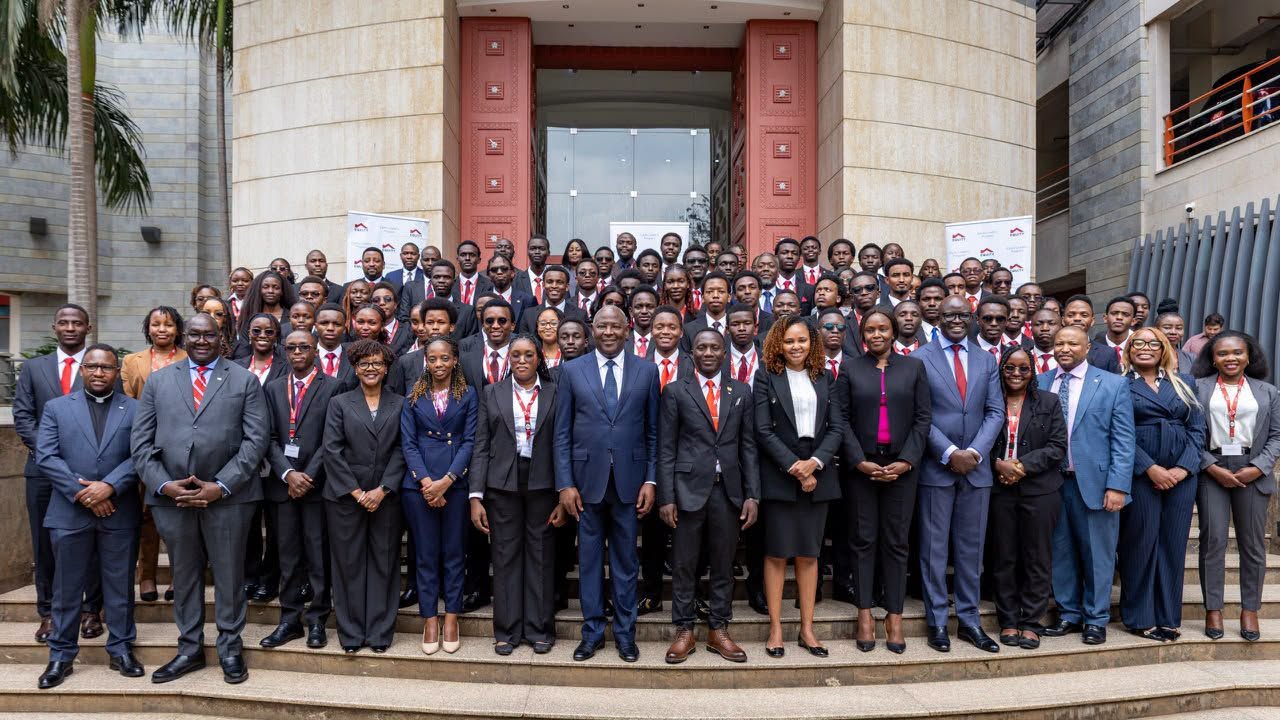
A new generation of East African scholars is set to join the global academic community after 121 exceptional students secured university scholarships valued at more than US$23.4 million (approximately Sh3 billion).
The scholarships, awarded through the Equity Leaders Program (ELP), will enable academically gifted students from Kenya, Rwanda, Uganda and the Democratic Republic of Congo to pursue undergraduate studies at some of the world’s leading universities.
The latest cohort comprises 86 Kenyan students, 29 from Rwanda, four from Uganda and two from the Democratic Republic of Congo. Collectively, they will join 63 universities in 16 countries across North America, Europe, Asia and Africa.
The development represents more than a scholarship milestone. It underscores how strategic investment in education, mentorship and talent development can expand access to world-class higher education for young Africans who might otherwise be unable to reach such opportunities.
For many of the beneficiaries, this achievement marks the culmination of years of academic discipline, resilience and determination.
The scholars will attend institutions across multiple continents, gaining access to specialised academic training while engaging with diverse cultures, ideas and education systems.
Twenty members of the latest cohort have secured admission to Ivy League universities in the United States, bringing the cumulative number of ELP beneficiaries admitted to Ivy League institutions to 240.
This achievement highlights the growing global competitiveness of African students in higher education.
However, academic excellence alone is not the only driver of this success.
The Equity Leaders Program integrates mentorship, leadership development, paid internships and university application support, creating a comprehensive support system that equips high-performing students to navigate the highly competitive global admissions process.
This model is particularly significant in contexts where talented students may have the academic ability to compete internationally but lack access to professional guidance, application resources, financial support and global networks.
From classroom excellence to leadership
Equity Group Foundation Executive Chairman James Mwangi encouraged the scholars to view their education as a responsibility to the continent, rather than solely a personal achievement.
He urged them to acquire knowledge, build global networks and return equipped with the skills and confidence needed to create opportunities and contribute to Africa’s development.
This message reflects a growing recognition of education as a key driver of economic transformation.
A university degree, particularly from a globally competitive institution, provides young people with advanced technical expertise, research exposure, professional networks and leadership experience.
However, the true measure of educational success lies in how graduates apply that knowledge.
For Africa, which continues to face challenges such as unemployment, inequality, skills gaps and limited opportunities for young people, developing a generation capable of building enterprises, advancing research, designing technologies and shaping effective public policy remains essential.
Kenyan students among beneficiaries
Kenya accounts for the largest share of the latest cohort, with 86 students receiving scholarships.
Among them is Grace Sang’, a former Alliance Girls High School student who scored an A in the 2025 KCSE examinations and will pursue Computer Science at New York University Abu Dhabi.
Her journey highlights the importance of exposing secondary school students to opportunities beyond the traditional classroom environment.
Sang’ noted that interactions with former ELP beneficiaries during her secondary school years influenced her decision to consider international universities.
Her experience also underscores the value of structured career guidance and university counselling in helping learners understand that academic achievement can open doors far beyond their immediate environment.
For students, teachers and parents alike, the lesson is clear: academic excellence becomes even more impactful when combined with information, mentorship and timely guidance.
Ugandan scholar Aime Iradukunda provides another compelling example of how scholarship opportunities can transform personal aspirations.
Iradukunda, who emerged as the top-performing male student in Mityana District in the Uganda Advanced Certificate of Education examinations, will study Electrical Engineering and Economics at Harvard College.
He reportedly applied to approximately 14 universities before receiving his admission to Harvard.
His success demonstrates the importance of persistence in an increasingly competitive global education landscape.
For many young Africans, admission to prestigious international universities may appear financially or academically out of reach. Scholarship programmes therefore play a critical role in transforming ambition into achievable pathways.
Building a pipeline of African talent
The latest cohort forms part of a broader long-term investment in education.
According to the Equity Group Foundation, the Equity Leaders Program has so far supported 1,236 scholars, enabling them to secure admissions and scholarships at 247 universities in 40 countries across six continents.
The programme is therefore building a growing pipeline of African talent progressing through some of the world’s most competitive academic institutions.
Importantly, the model extends beyond university admission.
Leadership development, internships and mentorship expose students to professional environments and encourage them to consider how their education can be translated into practical, real-world solutions.
Six graduates from the 2024 cohort have also received start-up toolkits designed to support their transition into employment or entrepreneurship.
This shift from education to employability and entrepreneurship is particularly significant for Africa’s rapidly growing youth population.
The success of these scholars offers important lessons for education policymakers across the continent.
Schools must go beyond preparing learners to pass examinations. They must also equip them with problem-solving skills, digital literacy, communication abilities, career awareness, leadership competencies and the confidence to compete globally.
Teachers remain central to this transformation.
Even the most talented learners require mentorship, exposure and guidance to fully realise their potential.
Investment in career guidance, scholarships, teacher development, digital learning and partnerships between schools, universities, governments and the private sector can significantly expand access to opportunity.
The 121 scholars now have the opportunity to learn from some of the world’s leading academic institutions.
However, their most important contribution may come after graduation.
Africa needs graduates who can return with knowledge, skills and global networks, and translate them into meaningful solutions for their communities.
The Sh3 billion scholarship investment therefore represents more than financial support. It is a strategic investment in human capital, leadership and the future of African education and development.
READ ALSO: From chalkboards to football boots: West Pokot teachers chase regional glory in Baringo
The challenge ahead is to ensure that these young scholars remain connected to the continent and ultimately transform their global education into lasting local impact.
By Hillary Muhalya
You can also follow our social media pages on Twitter: Education News KE and Facebook: Education News Newspaper for timely updates.
>>> Click here to stay up-to-date with trending regional stories
>>> Click here to read more informed opinions on the country’s education landscape
>>> Click here to stay ahead with the latest national news.