- UNESCO, the ILO, UNICEF and Education International have marked the 60th anniversary of the 1966 Recommendation concerning the Status of Teachers.
- The organisations have called on governments to improve teachers’ welfare, salaries and working conditions.
- They have warned that the world will need 50 million additional teachers by 2030 to meet education targets.
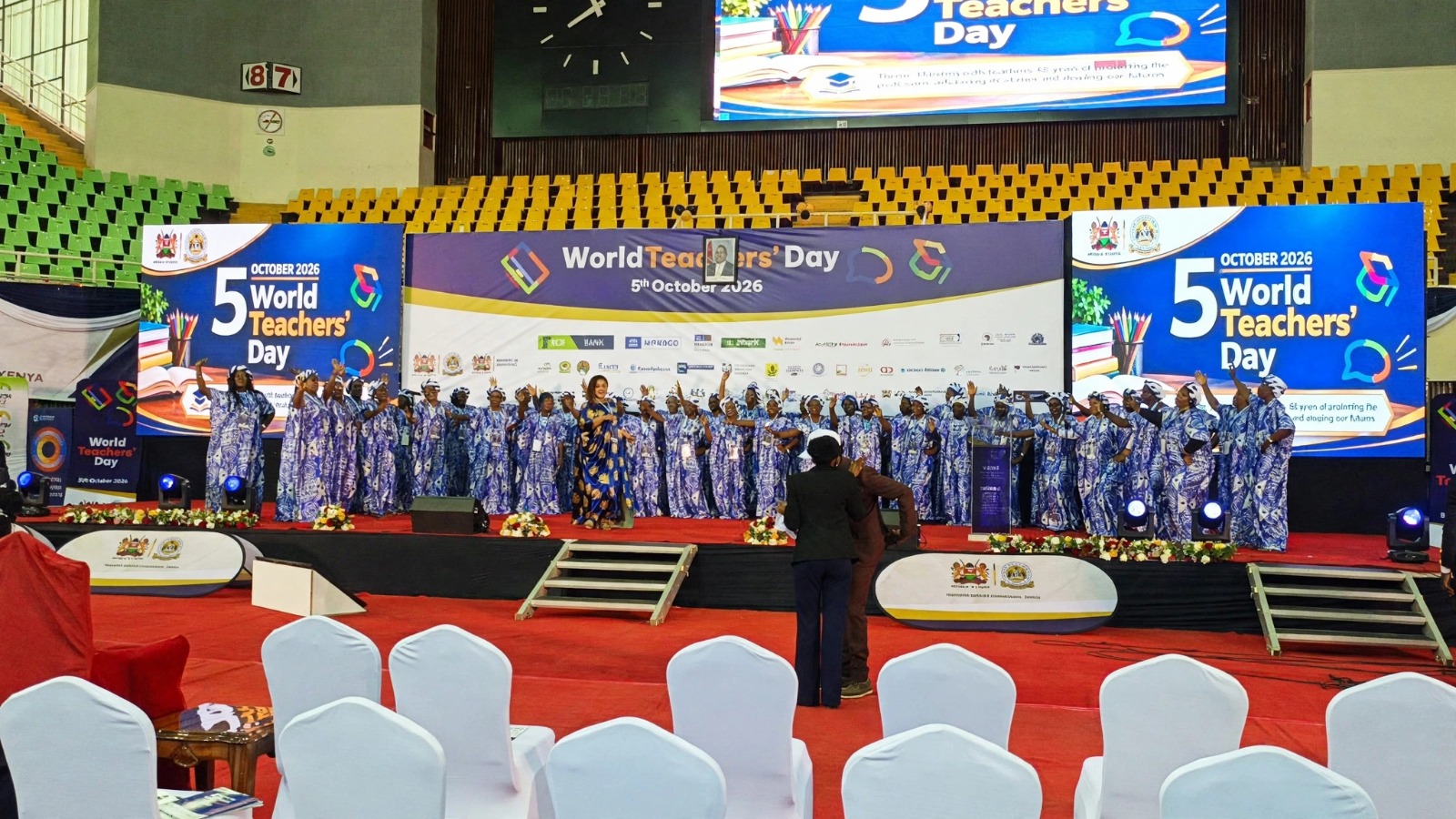
Governments across the world have been urged to strengthen support for teachers and improve the status of the teaching profession as World Teachers’ Day 2026 marks 60 years since the adoption of the ILO/UNESCO Recommendation concerning the Status of Teachers.
The anniversary, marked annually on October 5, comes amid growing concerns over teachers’ working conditions, professional support, salaries, workloads and their involvement in shaping education policy.
This year’s edition is being marked under the theme “Standing with teachers: 60 years of protecting the profession, advancing its status and shaping our futures,” in reference to the landmark 1966 recommendation that set global standards on teachers’ rights and responsibilities, initial preparation, recruitment, employment and working conditions.
A separate recommendation covering higher-education teaching personnel was adopted in 1997 to complement the 1966 framework. World Teachers’ Day has been celebrated globally since 1994 and is co-convened by UNESCO, the International Labour Organisation (ILO), UNICEF and Education International.
The 2026 edition falls at a time when the 1966 recommendation is under review to address new pressures facing teachers, including digital technologies, climate change, inclusion, and migration and displacement. According to the convening organisations, these pressures affect teachers’ symbolic, professional and material status.
ALSO READ:
Dorcas Cheyech Lotome honoured as West Pokot’s champion for teachers and girl-child education
“Their symbolic status is affected when teaching is not properly recognised or valued, while their professional status is shaped by limited freedom, support and participation in policy-making. Their material status is also affected by salaries, workloads and working environments that may prevent them from fully carrying out their role,” the organisations said.
In a joint message, UNESCO Director General Khaled El-Enany, ILO Director General Gilbert Houngbo, UNICEF Executive Director Catherine Russell and Education International General Secretary David Edwards said every learner deserves a teacher who is well prepared, supported and empowered to thrive in the profession.
“On this World Teachers’ Day, UNESCO, the ILO, UNICEF and Education International call on governments and partners to stand with teachers by advancing the status of the profession and ensuring that every teacher, everywhere, is empowered to help build more inclusive, peaceful and sustainable societies,” the leaders said, adding that teachers’ professional judgement must be respected and their experience used to shape education policy through meaningful social dialogue.
They warned that the urgency of these reforms has grown, with the world projected to need 50 million additional teachers by 2030, comprising 44 million for universal primary and secondary education and six million for pre-primary education. Recruiting new teachers, they said, must go hand in hand with retaining experienced educators and ensuring the profession offers motivating, rewarding and sustainable career paths, including greater leadership opportunities for female teachers to address persistent gender inequalities.
The leaders stressed that protecting the status of teachers requires more than recognising the profession’s importance. “It requires practical action to improve the respect given to teachers and the support available to them, including resources invested in schools and teachers, quality working conditions and confidence in teachers’ professional judgement. Governments have a central responsibility, working alongside employers, teacher organisations, teacher education institutions, communities and international partners,” they said.
The organisations described the 60th anniversary as an opportunity to renew commitment to strengthening the teaching profession, noting that it must evolve alongside changes in education while empowering teachers to help shape its future. This, they said, can build on the recommendations of the UN Secretary-General’s High-Level Panel on the Teaching Profession of 2024 and the Santiago Consensus of 2025. They also called for the teacher-student relationship to remain a strong foundation of education, preserving the essential role of human interaction in learning.
By Masaki Enock
You can also follow our social media pages on Twitter: Education News KE and Facebook: Education News Newspaper for timely updates.
>>> Click here to stay up-to-date with trending regional stories
>>> Click here to read more informed opinions on the country’s education landscape
>>> Click here to stay ahead with the latest national news.