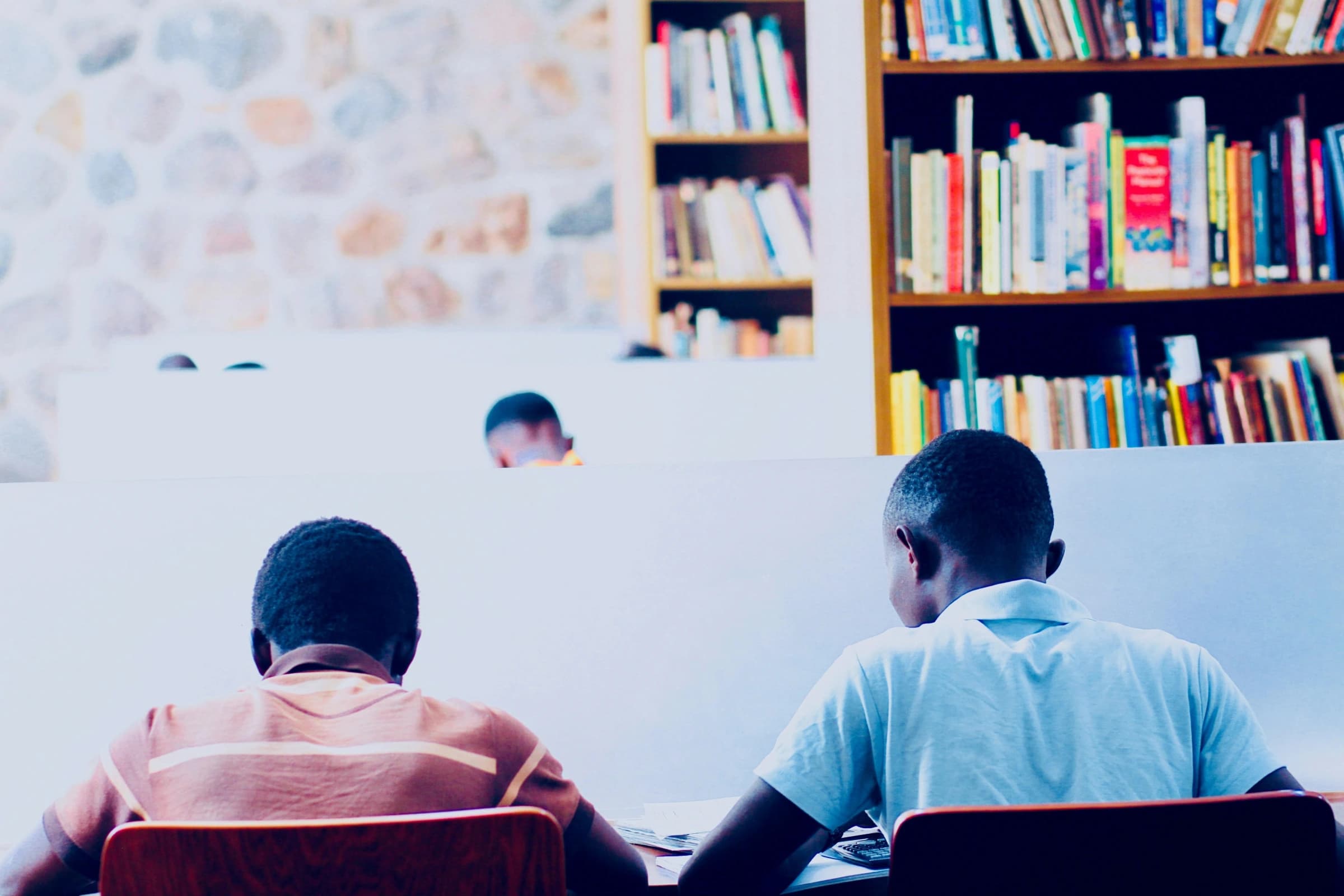


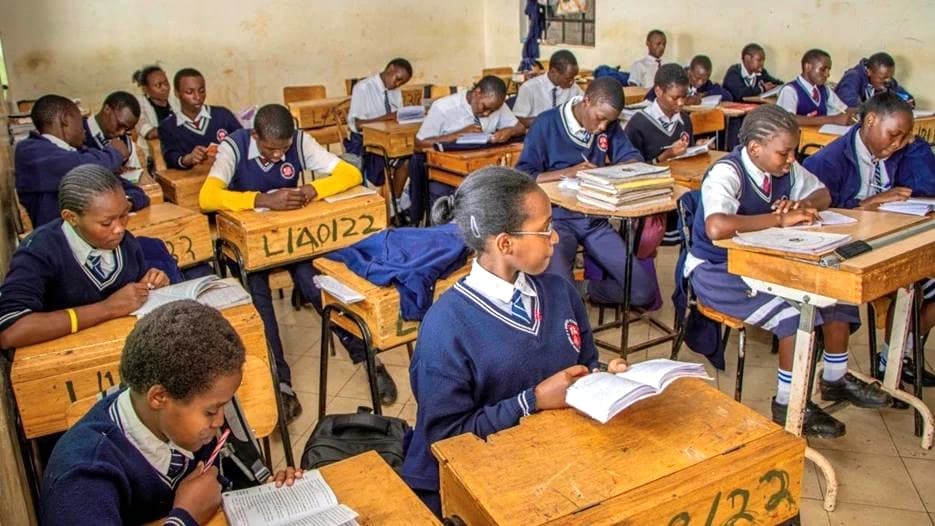

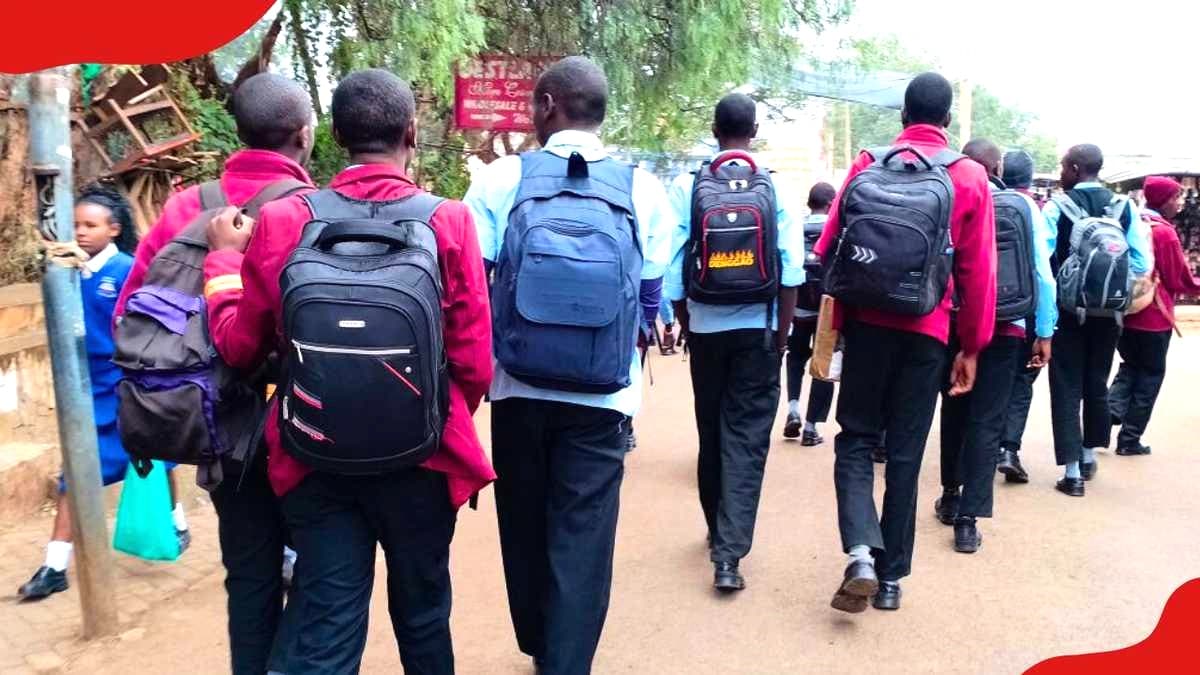

In Kenya, a quiet revolution is reshaping the way young minds learn and prepare for the future. Across the country, more schools are adopting foreign curricula, offering students a chance to engage with education systems that have long set global standards.
These programs, increasingly present in international schools, private academies, and some progressive day schools, go beyond traditional rote learning. They are designed to nurture curiosity, critical thinking, and creativity—skills essential for navigating a world that demands both knowledge and adaptability.
Foreign curricula in Kenya are not merely about learning a subject—they are about learning how to learn. They encourage inquiry, experimentation, problem-solving, and independent thought, aiming to produce learners who are ready to compete at the global level while staying grounded in their local context. This approach resonates with Kenya’s growing middle class and parents who aspire for their children to access top universities worldwide or pursue careers that transcend national borders.
The British Curriculum: Rigor and Analytical Thinking
Among the most prominent foreign programs in Kenya is the British curriculum, which leads to the International General Certificate of Secondary Education (IGCSE) and A-Levels. It is offered in schools such as Brookhouse School in Nairobi, Peponi School in Kikuyu, and Braeburn College, among others. The program is structured in stages, beginning with primary education, progressing through lower and upper secondary levels, and culminating in internationally recognized examinations.
The British curriculum emphasizes core subjects like English, Mathematics, the Sciences, Humanities, Languages, and ICT. Students are assessed largely through external examinations administered by Cambridge Assessment International Education or Edexcel, meaning that their performance is evaluated against global standards. This approach fosters not just memorization but analytical skills, problem-solving, and research capabilities. For example, a student studying Biology under the IGCSE may conduct practical experiments, analyze data, and present findings—an approach that mirrors university-level inquiry.
A-Level studies, the final stage of the British system, allow students to specialize in subjects they are passionate about, from Physics and Chemistry to Economics and Literature. This specialization equips learners with the depth of knowledge necessary for higher education. It also helps universities identify students who are genuinely prepared to excel in their chosen fields. Kenyan students graduating with IGCSEs and A-Levels often gain admission to prestigious institutions in the UK, Europe, and North America, bypassing the constraints of local university admission quotas.
ALSO READ:
https://educationnews.co.ke/kuccps-re-opens-kmtc-applications-for-march/
The American Curriculum: Flexibility and Holistic Growth
In contrast, the American curriculum, which leads to the High School Diploma and Advanced Placement (AP) certifications, is offered in schools such as Rosslyn Academy and Nairobi International School. This system spans Grades 1 through 12 and emphasizes a flexible approach, allowing students to tailor their studies according to interests and strengths. Subjects include English, Mathematics, Sciences, Social Studies, Languages, Arts, and a wide range of electives.
Assessment in the American curriculum is continuous, combining classroom performance, coursework, and standardized exams such as the SAT and AP tests. Unlike the British system, which relies heavily on final examinations, the American model rewards consistent effort, creativity, and participation. Students are encouraged to explore interdisciplinary projects, community service, and co-curricular activities, creating a more holistic educational experience. For instance, a student may write a research paper on climate change, design a related science experiment, and lead a school initiative to raise awareness—combining learning, leadership, and impact.
This curriculum prepares students not only for American universities but also for institutions worldwide. Its flexibility fosters adaptability, problem-solving, and the ability to manage time and responsibilities—qualities essential in the 21st-century global workforce. For Kenyan families, this means that their children can seamlessly transition to universities abroad without the stress of bridging curriculum gaps.
International Baccalaureate (IB): Holistic Education and Global Citizenship
The International Baccalaureate (IB) program, offered in select Kenyan schools such as Rosslyn Academy, International School of Kenya, and St. Austin’s Academy, takes a more holistic and globally focused approach. Divided into the Primary Years Programme (PYP), Middle Years Programme (MYP), and Diploma Programme (DP), the IB emphasizes inquiry-based learning, critical thinking, research, and social responsibility.
Students in the IB program study a range of subjects including languages, sciences, mathematics, arts, and social studies. A signature component, Theory of Knowledge (TOK), challenges learners to question the very nature of knowledge, encouraging them to analyze and reflect critically on their studies. Assessment combines internal evaluation, coursework, and external examinations, which ensures that students are measured on both understanding and application.
Beyond academics, the IB encourages community service and extracurricular engagement. For example, students may design projects that benefit their local communities, such as initiating environmental conservation campaigns or leading social awareness programs. This holistic approach ensures that learners develop ethically and socially, becoming not only competent in their fields of study but also responsible global citizens. Kenyan students who graduate from the IB program are highly sought after by top universities worldwide, thanks to the program’s rigor and emphasis on real-world application.
ALSO READ:
https://educationnews.co.ke/kicd-urges-principals-to-submit-updated-grade-10-enrollment-data-to-fix-textbook-distribution-gap/
French Baccalauréat and German Abitur: European Standards in Kenya
Kenya is also home to schools offering the French Baccalauréat, such as the Lycée Denis Diderot in Nairobi, and the German Abitur through institutions like the German School Nairobi. These programs provide rigorous academic training in their respective languages and prepare students for higher education in France, Germany, and other European countries.
The French curriculum emphasizes analytical and linguistic skills, covering subjects such as Literature, Sciences, Mathematics, History, and Philosophy. Assessments include both oral and written examinations, ensuring a comprehensive evaluation of a student’s abilities. Similarly, the German Abitur focuses on depth of knowledge in Sciences, Mathematics, and Languages, preparing students to meet the demanding standards of European universities. For Kenyan students, these programs provide a pathway to scholarships, international exposure, and careers in global industries.
Why Foreign Curricula Matter for Kenyan Students
The adoption of foreign curricula in Kenya represents more than an educational trend—it is a response to the growing demand for global competitiveness. These programs equip students with a wide range of skills, from critical thinking and creativity to research, problem-solving, and ethical reasoning. Learners gain exposure to international standards, which can open doors to prestigious universities, scholarships, and careers that were previously difficult to access.
Moreover, foreign curricula often incorporate extracurricular activities, leadership training, and community service, fostering well-rounded individuals. For example, students may lead school clubs, organize social initiatives, or participate in international competitions. These experiences not only strengthen academic skills but also build confidence, resilience, and social awareness—qualities that are essential in today’s interconnected world.
Challenges of Foreign Curricula
Despite their benefits, foreign curricula come with challenges. They are often more expensive than the national curriculum, limiting access to students from affluent families. The workload can be intense, requiring dedication, discipline, and strong support systems at home and school. Schools offering these programs must also ensure that teachers are trained in specific international standards, which can be a constraint in some regions. Additionally, students who transition between foreign curricula and the Kenyan system may face adjustments in syllabus coverage, assessment methods, and learning expectations.
Nevertheless, these challenges are often outweighed by the opportunities provided. The skills, perspectives, and qualifications gained through foreign curricula are increasingly valuable in a globalized job market, higher education landscape, and entrepreneurial environment.
Kenyan Students Exhibiting Excellence on the World Stage
Kenyan students are proving that adopting international education pathways yields tangible results on the global arena. Across academics, research, entrepreneurship, arts, and sports, Kenyan learners have distinguished themselves through innovation, leadership, and impact.
ALSO READ:
https://educationnews.co.ke/elimu-bora-lobby-urges-government-to-reinstate-edu-afya-student-health-cover/
In academia, Kenyan students excel in standardized tests such as SAT, AP exams, and IB assessments, often ranking among the top percentiles worldwide. Many have gained admission to Ivy League universities, Russell Group schools, and prestigious institutions across Europe and North America. They have also presented research at global conferences in medicine, environmental science, technology, and engineering, addressing both local and global challenges.
In international competitions, Kenyan learners consistently shine. Mathematics, Physics, and Biology Olympiads have seen Kenyan students earning medals, while robotics competitions and technology innovation challenges highlight their creativity and problem-solving skills. Debate forums and Model United Nations conferences showcase Kenyan students’ abilities in diplomacy, communication, and leadership.
Kenyan students also excel in entrepreneurship and innovation. They have developed apps, clean water solutions, and agricultural technologies that gain international recognition, winning awards at competitions like the Global Student Entrepreneur Awards and Google Science Fair. Through these initiatives, students demonstrate that global education fosters not only knowledge but real-world problem-solving.
In sports and athletics, student athletes represent Kenya in youth championships and world school games, excelling in long-distance running, cross-country, swimming, chess, and other disciplines. Beyond competition, sports cultivate discipline, teamwork, and resilience, complementing academic excellence.
Kenyan students’ cultural and artistic achievements are equally impressive. From music and theater to visual arts, learners have showcased Kenyan talent internationally, earning accolades and demonstrating creativity rooted in local heritage. Leadership roles in international youth programs, such as the Duke of Edinburgh Award and Model UN, highlight their capacity to influence global conversations on climate change, education, and social justice.
The Future of Foreign Curricula and Global Excellence in Kenya
The adoption of foreign curricula in Kenya is set to expand further, driven by globalization, the demand for high-quality education, and the need for globally competitive skills. As more schools offer these programs, Kenyan students will continue to access platforms that hone critical thinking, innovation, and leadership.
Parents, educators, and policymakers increasingly recognize that global education does not mean abandoning local identity. On the contrary, these programs allow students to “think global, achieve local,” applying international standards and perspectives to solve local problems, innovate in Kenyan industries, and contribute meaningfully to society. The combination of foreign curricula and Kenyan ambition is producing a generation of learners ready to excel academically, socially, and professionally, both at home and abroad.
Foreign curricula are transforming education in Kenya, providing students with the tools, skills, and perspectives needed to succeed in a globalized world. From the analytical rigor of the British curriculum to the flexible, holistic approach of the American system, and from the inquiry-driven focus of the IB to the linguistic and academic precision of the French and German programs, these educational pathways offer Kenyan learners unprecedented opportunities.
Kenya is nurturing global minds right in its classrooms. By embracing foreign curricula, students are not only preparing for higher education abroad but are also equipping themselves to lead, innovate, and thrive within Kenya. Through their achievements in academics, research, entrepreneurship, arts, leadership, and sports, Kenyan students are proving that it is possible to think global and achieve local, positioning themselves at the forefront of a future where education knows no borders.
By Hillary Muhalya
You can also follow our social media pages on Twitter: Education News KE and Facebook: Education News Newspaper for timely updates.
>>> Click here to stay up-to-date with trending regional stories
>>> Click here to read more informed opinions on the country’s education landscape

Reader Discussion (0)
Sign in to comment