- Enock Okong’o argues that effective leadership depends on trusting competent people with clearly defined responsibilities.
- He says Mwai Kibaki’s relatively low-key leadership style illustrates the importance of delegation and interdependence.
- Okong’o believes the same principle can strengthen leadership in schools, families and other institutions.
A man who thinks he can do everything should dig his own grave. There is an African proverb that carries this warning, and it is not a curse but deep wisdom.
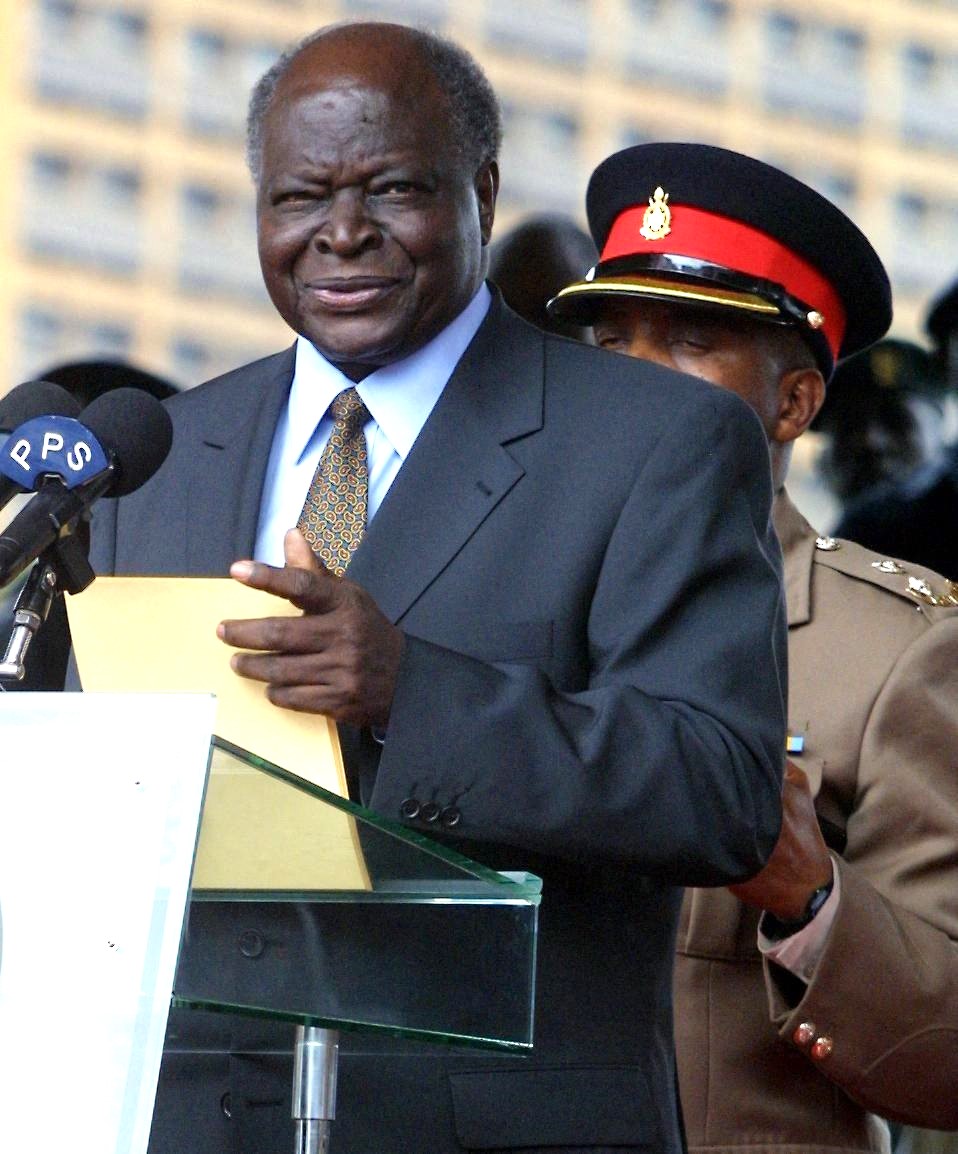
President Mwai Kibaki understood this principle better than many leaders. He never pretended to know everything or sought to be seen everywhere doing everything.
His way was simple: choose competent people, give them clear duties, trust them to work and remain focused on the bigger picture while work is being done.
That is why his leadership still provides lessons that can be applied even in our schools today.
Kibaki’s style was largely built around interdependence. He understood that a country, just like a human body, cannot function effectively if one organ tries to perform the work of all the others.
Accounts of his presidency frequently describe him as a low-key leader who gave considerable latitude to ministers and technocrats, although critics sometimes interpreted the same approach as being overly hands-off.
The same lesson applies in a household where one person wants to become the father, mother, treasurer and decision-maker on everything from what food is cooked to what children wear.
When responsibilities are never shared, the family can become overly dependent on one person and struggle whenever that individual is absent.
A model based on shared responsibility teaches that giving others meaningful duties can create a stronger home.
The principle can similarly apply to public leadership. Leaders who insist on personally handling every activity risk creating systems in which decisions and programmes depend excessively on one individual.
Kibaki was widely associated with a less publicly interventionist governing style and reliance on ministers and technocrats to manage their respective dockets. Former Prime Minister Raila Odinga, reflecting on Kibaki’s Cabinet style after his death, described him as a leader who listened to extensive debate before settling on a course of action.
His administration is also associated with major policy initiatives, including the introduction of free primary education in 2003 and a period of sustained economic growth, although his presidency also faced significant challenges, including corruption concerns, inequality and the political crisis following the disputed 2007 election.
Lessons for school leadership
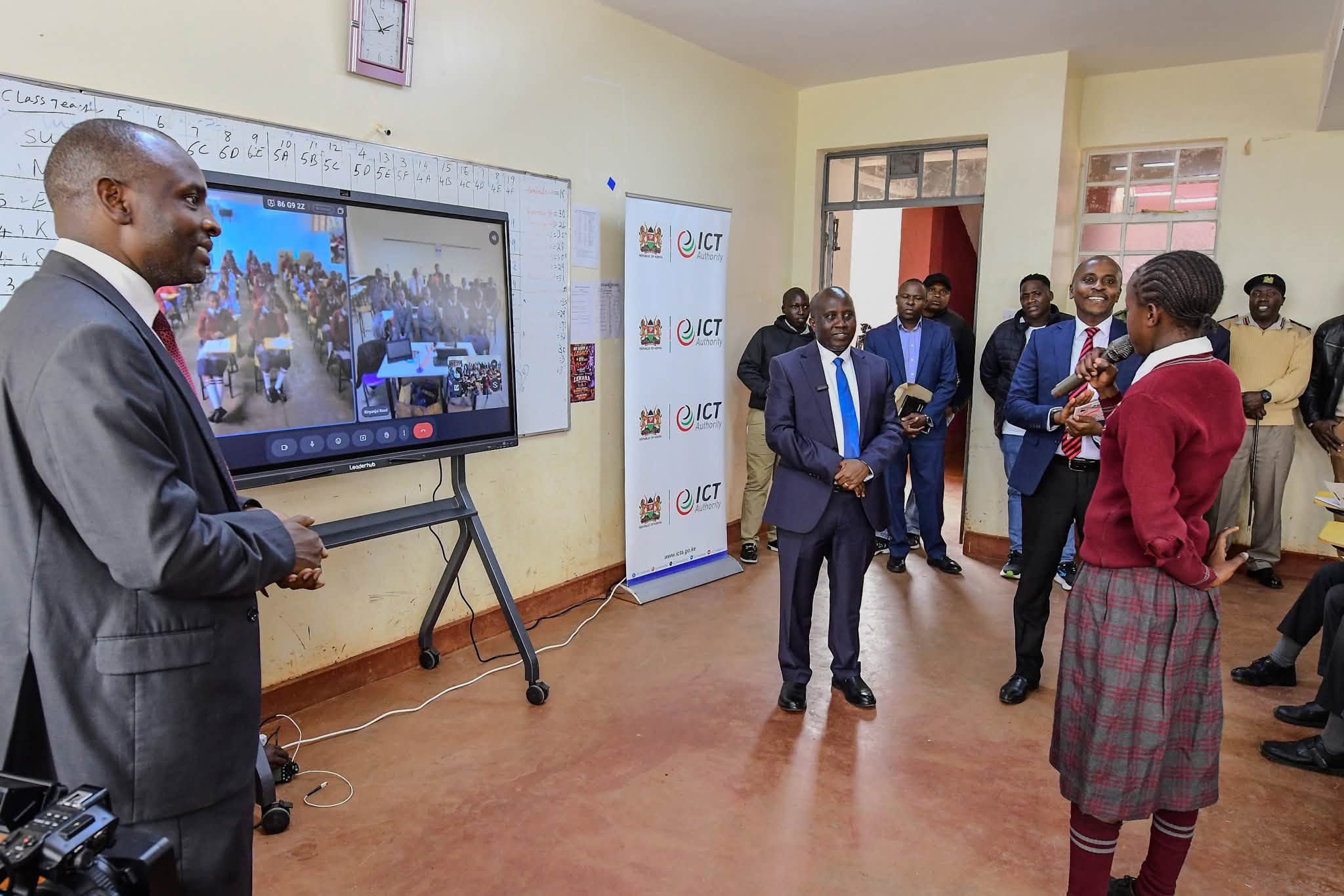
In schools, the lesson on delegation is particularly relevant.
There is a type of school principal who wants to be all-knowing. He keeps the store keys in his pocket, keeps the cheque book in his briefcase and does not trust heads of departments to make decisions.
He rarely calls staff meetings because he believes he knows better than all the teachers combined.
Such a school can stagnate because teachers eventually fold their hands and say: let the principal do it.
This is the grave the proverb warns about.
A principal who embraces delegation does the opposite. He builds a strong team of deputies, bursars, boarding masters, heads of departments and games teachers, gives them clear responsibilities and supports them in carrying out their duties.
The principal’s responsibility is not necessarily to perform every task personally, but to ensure that the school’s work is properly coordinated and effectively carried out.
Delegation also allows teachers to develop their leadership skills and creates continuity because the institution does not depend entirely on one administrator.
Leadership through interdependence
The same mistake can arise in organisations when one person tries to become the strategist, financier, organiser and communicator at the same time.
Without sharing responsibilities, leaders can become overwhelmed while other members of their teams remain underutilised.
Effective organisation requires clearly defined roles and confidence in the people entrusted with them.
Ultimately, Kibaki’s leadership offers a lesson about the value of delegation.
A leader does not necessarily become weaker by sharing responsibility. Well-structured delegation can strengthen institutions by allowing people with different skills to contribute towards a common goal.
Interdependence is not weakness; it is strength.
The heart does not try to see, and the eye does not try to pump blood.
Families can share responsibility, principals can trust their teachers and institutional leaders can empower their teams.
READ ALSO: KUPPET Nandi lauds government for doubling teacher promotion funding
He who thinks he can do everything alone may eventually be overwhelmed by the weight of everything, but a leader who distributes responsibilities creates room for others to contribute and for institutions to endure beyond one individual.
By Enock Okong’o
Get more stories from our website: Education News
To write to us or offer feedback, you can reach us at: editor@educationnews.co.ke
You can also follow our social media pages on Twitter: Education News KE and Facebook: Education News Newspaper for timely updates.
>> Click here to stay up-to-date with trending regional stories