







Marked, Watched, and Judged: 90% of Leaders Could Be Shown the Door. From union halls to Parliaments around the world, voters are signalling that leadership must deliver results — or be replaced
Leadership, whether in a union meeting hall or a national legislature, is not a birthright but a public trust — one that is continuously scrutinized, evaluated, and judged by the very people who gave it. Over the past several years, a striking pattern has emerged both in Kenya’s teachers’ unions and across global politics: incumbency no longer ensures security, and long tenures are no shield against voter dissatisfaction.
From teacher union elections in Machakos, Kakamega, and Trans‑Nzoia to national opinion surveys indicating that up to 90 % of elected leaders would currently struggle to retain their seats, the message from citizens is consistent: leadership must deliver, or it will be replaced, not just here at home, but worldwide.
ALSO READ:
https://educationnews.co.ke/st-brigid-girls-kiminini-outclass-kesogon-to-retain-trans-nzoia-county-basketball-title/
Union Elections: Citizens Setting the First Standard
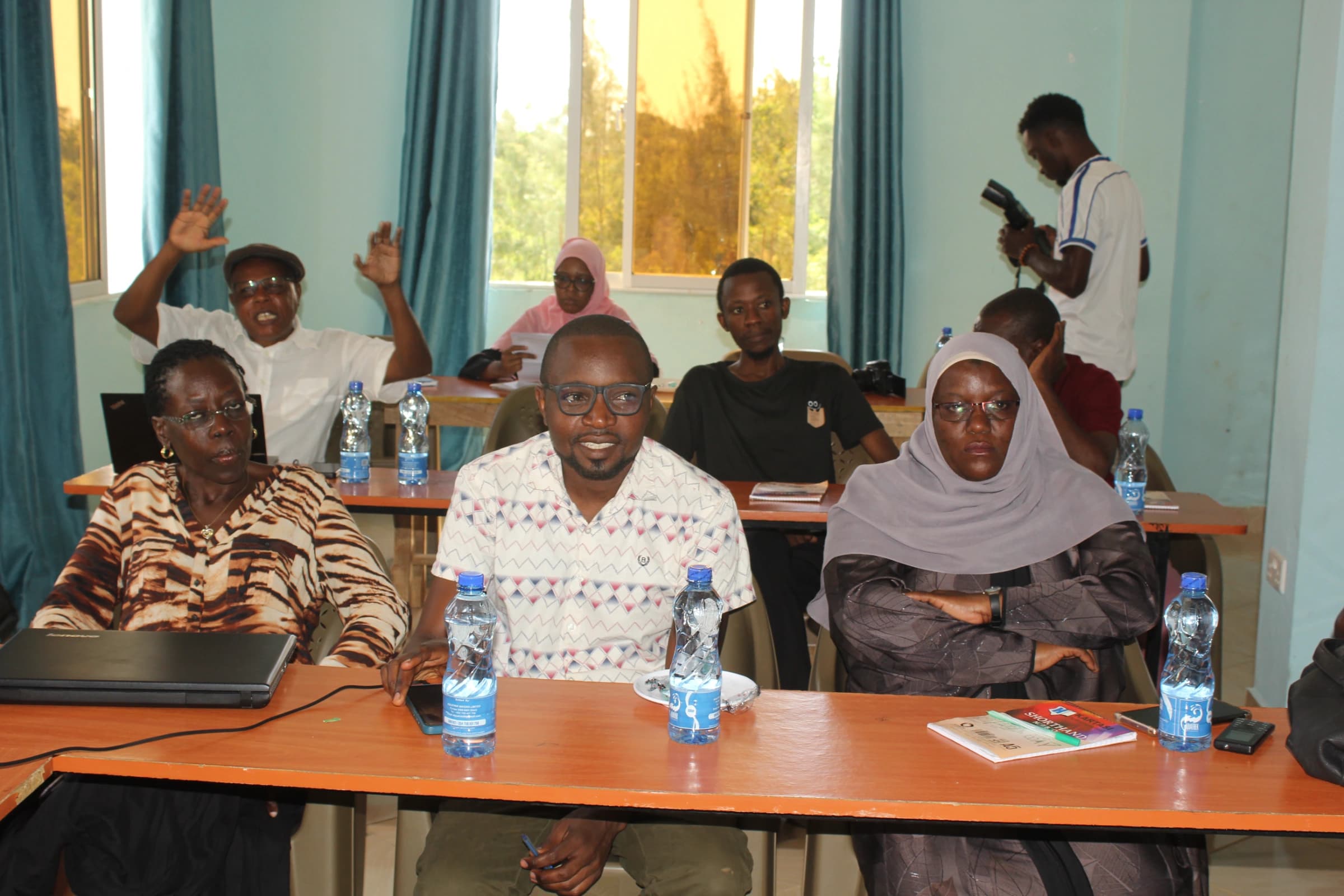
When many think of accountability, they might picture a general election, but in Kenya and elsewhere, teachers’ union elections are proving to be the first line of democratic accountability. Members are not hesitant to vote out long‑serving union leaders whose performance is seen as stagnant or out of touch.
In Machakos County, the branch of the Kenya Union of Post‑Primary Education Teachers (KUPPET) made history by voting out long‑serving executive secretary Musembi Katuku, who had held office for 24 years. Teachers chose Yvonne Mutindi, marking a clear call for new energy, results, and responsiveness.
“I am driven to fight for teachers by pushing for promotions, better salaries and motivation… I will also advocate for the autonomy of Junior Secondary Schools,” said Mutindi after her decisive victory, capturing the electorate’s expectation for concrete improvements.
Similarly, in Western Kenya’s Kakamega County, the 2026 KUPPET branch elections brought in a completely new leadership team, including Johnstone Induswe Wabuti as Executive Secretary, replacing union figures who had served for years. In counties such as Trans‑Nzoia and Wajir, teachers responded in large numbers to shape leadership that they believe will be more accountable and effective.
In some KNUT branches, outcomes also reflected member expectations: in Meru South, the incumbent executive secretary was re‑elected, a rare affirmation amidst broad shifts, while in Nyambene teachers opted for change and new leadership voices.
“We pledge to work with integrity, unity and transparency and to always put teachers’ interests at the heart of everything we do,” said the newly elected Nyambene KNUT chairman, a sentiment that underscores a wider demand for ethical and responsive leadership.
Union Losses Mirror the Electorate’s Heart
These union outcomes are not isolated events. They reflect what is deeply embedded in the hearts of the electorate: a thirst for leaders who deliver tangible results, uphold accountability, and engage meaningfully with the people they represent. Union members — many of whom are also voters in national contests — are setting a standard that resonates with broader democratic expectations.
In essence, union losses mirror what is embedded in the hearts of the electorate: a deep-seated demand for tangible results, ethical stewardship, and inclusive representation. When leaders fail to meet these expectations, the electorate responds decisively — a reality that is mirrored in both civil society elections and national political contests.
ALSO READ:
https://educationnews.co.ke/sonkoi-wins-knut-kajiado-chair-in-closely-contested-union-elections/
The Hard Numbers: Only 10 % Might Survive Today
A 2025 survey by Transparency International – Kenya revealed that if elections were held today, only about 10 % of current elected leaders would be likely to retain their seats, while 90 % could be shown the door by voters, spanning MPs, senators, governors, women representatives, and MCAs. This reflects widespread public dissatisfaction and a low tolerance for leaders who fail to deliver on core expectations.
This survey confirms what union members and voters alike have shown through their ballots: leaders are being watched closely, and their mandates depend on performance that improves lives.
Global Patterns: Voters Around the World Are Hitting Refresh
Kenya’s experience is part of a broader global trend in which voters are signalling dissatisfaction with incumbents:
In the 2024 global election year, many national elections saw incumbent parties lose vote share or seats — a phenomenon described as “bad news for incumbents” across democracies from Europe to the United States.
The Botswana Democratic Party, which had governed for nearly 60 years, lost its parliamentary majority in 2024 — a dramatic example of long-standing leadership yielding to public desire for change.
Around 70 countries holding elections in 2024 — accounting for roughly half of the world’s population — saw voters penalizing sitting governments or demanding shifts in political direction, described by analysts as a “global anti-incumbent wave.”
In local elections across the United States in 2025, several municipal incumbents were unseated, illustrating that even at the grassroots level in established democracies, voters are ready to reset expectations.
These global shifts suggest that the anti-incumbent sentiment transcends geography and political systems — voters everywhere are increasingly willing to replace leaders they perceive as out of touch, ineffective, or unresponsive.
Youthful and Women Leadership: A New Era
Within this wave of accountability, another trend is emerging: the rise of youthful and women leaders. In union halls and political spaces alike, younger generations and women are stepping forward to claim leadership based on merit and performance.
Figures like Yvonne Mutindi in Machakos exemplify how breaking barriers enriches leadership diversity and trust. Youth leaders, often leveraging digital platforms and grassroots mobilisation, are also reshaping expectations and injecting new energy into governance. These shifts remind established leaders that diversity, inclusivity, and innovation are not optional — they are demanded by the electorate.
ALSO READ:
https://educationnews.co.ke/chungani-defeated-as-mulama-clinches-executive-secretary-seat-in-knut-kakamega-branch-elections/
A Warning to Leaders: You Are Being Marked Daily
For those in leadership positions — whether in unions, county assemblies, or national government — complacency is no longer an option. The electorate is engaged, watching, and evaluating every policy, interaction, and decision. Leaders must understand that results will be delivered at the correct time, whether through union elections, municipal polls, or national ballots.
Leadership is not a permanent entitlement; it is a responsibility that must be continuously earned through performance, integrity, and connection with those you serve. Those who forget this, or assume that incumbency insulates them from judgment, risk being replaced by leaders who are more responsive, accountable, and attuned to the real needs of their communities.
By Hillary Muhalya
You can also follow our social media pages on Twitter: Education News KE and Facebook: Education News Newspaper for timely updates.
>>> Click here to stay up-to-date with trending regional stories
>>> Click here to read more informed opinions on the country’s education landscape




Reader Discussion (0)
Sign in to comment