Students at Baringo University College in Kabarnet have raised alarm over a worsening water shortage that they say is disrupting learning, exposing them to insecurity and increasing the risk of disease outbreaks within the institution.
The students are now calling on both the national and county governments to urgently intervene and address the persistent crisis that has plagued the institution for years.
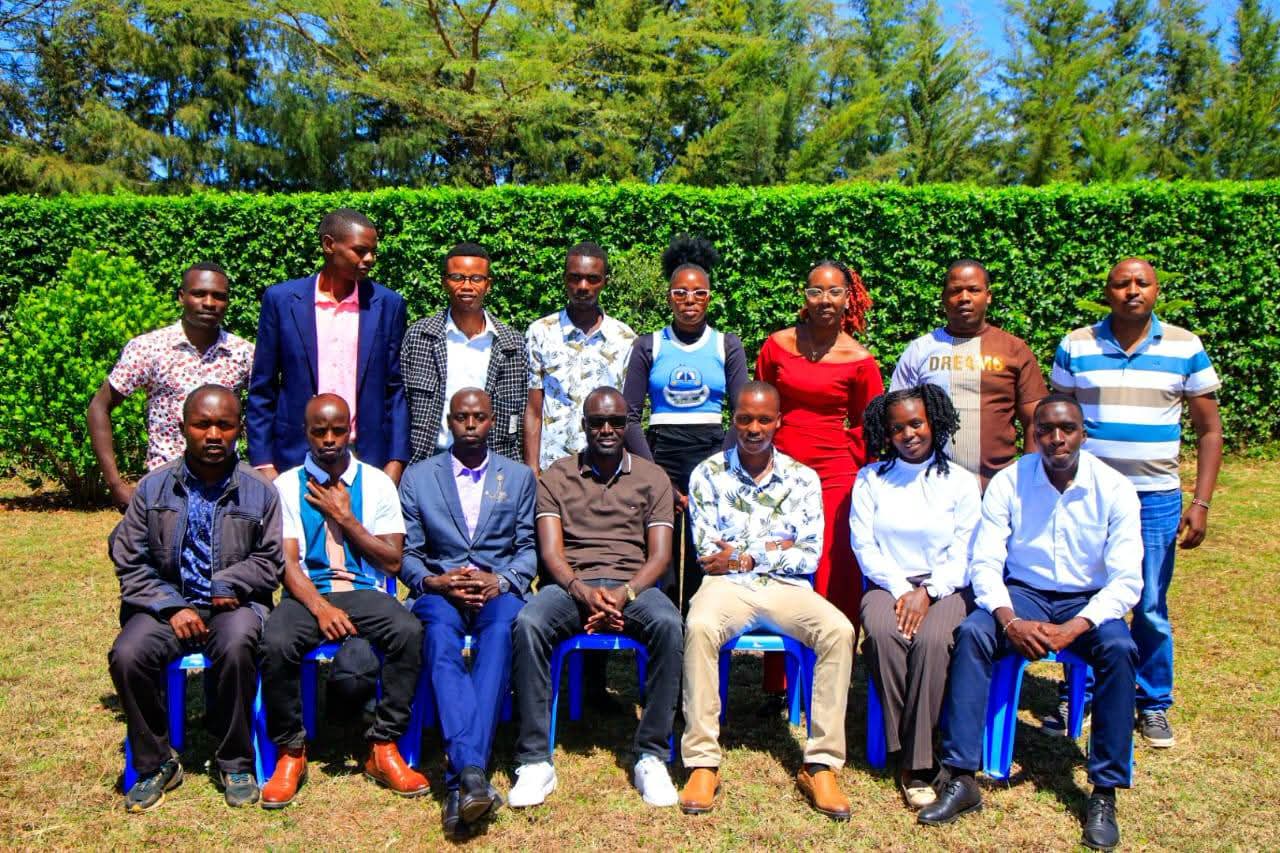
Led by student leader Naomi Cherono, the learners said they are spending long hours every day searching for water instead of focusing on their studies, a situation they described as unbearable.
“We are spending a lot of time looking for water instead of concentrating on our studies. The situation is becoming unbearable and it is interfering with learning activities,” said Cherono.
She questioned why the issue has remained unresolved despite repeated complaints from students and stakeholders over the years.
“It is worrying that this problem has persisted for so long yet concerns have been raised repeatedly. We need immediate intervention before the situation worsens,” she added.
Cherono further warned that students, especially those forced to walk long distances at odd hours in search of water, are increasingly exposed to insecurity and possible attacks.
ALSO READ:
Stop letting research gather dust: Universities urged to turn findings into real solutions
“As students, we are also exposed to attacks while looking for water outside the institution. This is a serious security concern that should not be ignored,” she said.
The students appealed to area Member of Parliament (MP) Joshua Kandie and other leaders to step in and help find a lasting solution to the crisis.
Another student, Joyce Jelagat, expressed concern that a higher learning institution could continue operating without reliable access to water while neighbouring institutions appeared to enjoy stable supply.
“It is shocking that such an institution lacks water yet other institutions within the same area have access to the commodity,” said Jelagat.
Lecturers and other stakeholders also voiced concern, urging authorities to allocate sufficient resources towards addressing the recurring shortage.
The crisis has largely been linked to longstanding infrastructural challenges affecting water treatment and distribution systems in the region. Institutions in Kabarnet and surrounding areas have historically depended on water supplied from Kirandich Dam and the Chemususu Water Project.
However, frequent breakdowns of pumping equipment, power fluctuations and delayed maintenance have continued to disrupt supply, particularly to elevated areas such as the university.
Stakeholders also pointed to prolonged political wrangles surrounding the establishment and development of the institution, which they say delayed investment in independent water infrastructure.
ALSO READ:
Tenwek senior school set to allow Arsenal anthem during principal’s talk
The situation has been worsened by prolonged droughts and erratic rainfall patterns that continue to affect the semi-arid county of Baringo.
Experts are now calling on institutions in water-stressed regions to adopt long-term self-reliance measures, including large-scale rainwater harvesting, construction of high-capacity storage tanks, drilling of boreholes and installation of solar-powered pumping systems.
Education and water sector experts have also challenged universities in rural areas to embrace research and innovation in solving community challenges, including developing affordable water purification technologies and identifying sustainable underground water sources.
Students and staff have urged authorities to act swiftly to avert a possible health crisis and restore normal learning operations at the institution.
“We only want a conducive learning environment. Water is a basic necessity and without it, learning and normal life at the institution become extremely difficult,” Cherono said.
Ayub Kibet also called for urgent intervention, saying access to water remains critical to effective learning and students’ wellbeing.
“The matter should be given priority because access to water is essential for effective learning and the wellbeing of students,” he said.
By Kimutai Langat
You can also follow our social media pages on Twitter: Education News KE and Facebook: Education News Newspaper for timely updates.
>>> Click here to stay up-to-date with trending regional stories
>>> Click here to read more informed opinions on the country’s education landscape