-
The 2026 FIFA World Cup will be hosted jointly by the United States, Canada, and Mexico.
-
The tournament will expand from 32 to 48 teams, increasing global participation and representation.
-
Matches will still last 90 minutes, with stoppage time added for injuries, substitutions, and VAR checks.
-
Knockout matches will use extra time (two 15-minute halves) and penalties if needed to decide a winner.
-
New rules aim to reduce time-wasting, including faster throw-ins and goal kicks with strict restart timing.
By Ashford Kimani
The 2026 FIFA World Cup promises to be one of the most exciting tournaments in football history. Scheduled to be hosted jointly by the United States, Canada, and Mexico, the tournament will introduce significant changes not only in its format but also in the way the game is played and managed. With the competition expanding from 32 to 48 teams, FIFA has also approved several rule modifications aimed at improving fairness, reducing time-wasting, enhancing player welfare, and increasing the flow of the game.
One of the most notable changes is the expansion of the tournament itself. For the first time in World Cup history, 48 nations will participate, providing more countries with an opportunity to compete on football’s biggest stage. This expansion is expected to increase global representation and create more exciting matchups involving teams from Africa, Asia, North America, and Oceania.
Despite these structural changes, the basic format of a football match remains unchanged. Every game will consist of two halves of 45 minutes each, making a total of 90 minutes of regulation time. However, referees will continue to add stoppage time at the end of each half to compensate for interruptions such as injuries, substitutions, disciplinary actions, and Video Assistant Referee (VAR) reviews.
In the group stage, matches can still end in a draw if the teams are level after 90 minutes. However, knockout-stage matches require a winner. If a knockout game remains tied after regulation time, the teams will play an additional 30 minutes of extra time, divided into two 15-minute periods. Should the scores remain level after extra time, the match will be decided through a penalty shootout. Each team takes five penalties, and if the scores are still tied, the contest proceeds to sudden death until a winner emerges.
One of FIFA’s major concerns has been the growing problem of time-wasting in modern football. To address this issue, new regulations will require quicker restarts. Referees may employ a visible five-second countdown for throw-ins and goal kicks. If a player or team fails to restart play within the prescribed period, possession may be awarded to the opposing team. This measure is expected to keep the game moving and reduce unnecessary delays.
ALSO READ;
Alliance High student petitions Parliament to allow dreadlocks in schools
Substitutions will also be more tightly regulated. Players who are substituted will be required to leave the field within ten seconds. This rule is intended to discourage players from slowly walking off the pitch in an attempt to waste time. Failure to comply may result in the incoming substitute having to wait until the next stoppage before entering the field.
Player welfare has become a central concern in international football, and FIFA has introduced new measures to safeguard athletes. One such measure relates to medical treatment. Players who receive treatment on the field will generally be required to remain off the pitch for at least one minute after play resumes. This rule aims to prevent players from exaggerating injuries merely to disrupt the flow of the game.
Hydration breaks have also become mandatory. Regardless of weather conditions, matches will include scheduled hydration intervals during each half. This decision reflects FIFA’s commitment to protecting players from fatigue, dehydration, and heat-related illnesses, especially considering that several host cities may experience warm weather conditions during the tournament.
Another significant area of reform involves the Video Assistant Referee system. Since its introduction, VAR has generated both praise and controversy. For the 2026 World Cup, the technology’s authority will be expanded. Officials will have greater ability to review certain corner-kick decisions, cases of mistaken identity, and incidents involving incorrect second yellow cards. These changes are designed to improve accuracy and ensure that critical decisions are based on the best available evidence.
Senate committee reviews West Pokot’s ECDE progress and key education challanges
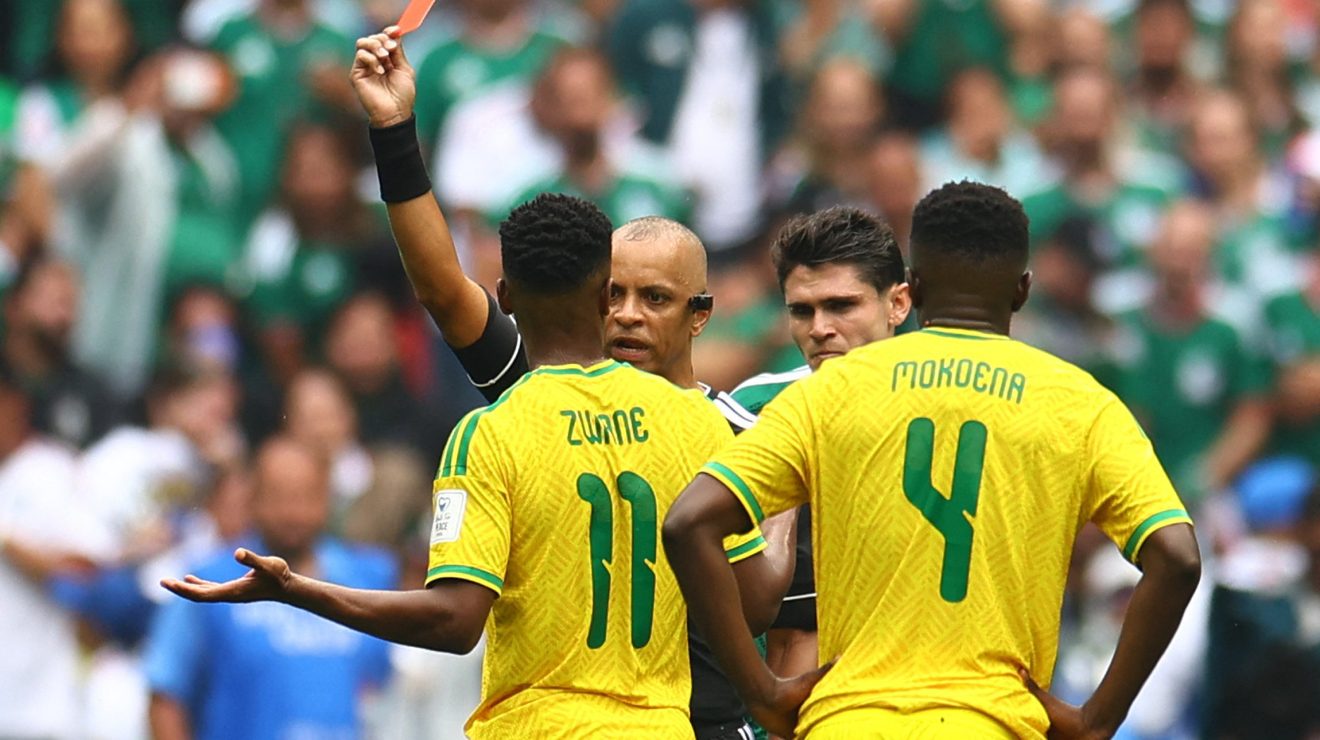
Disciplinary regulations have also been strengthened. FIFA has introduced stricter penalties for actions deemed unsporting or disrespectful. Players who cover their mouths during confrontations, leave the field in protest of a referee’s decision, or participate in organized team walk-offs may face immediate dismissal. Such measures are intended to promote respect for match officials and preserve the integrity of the game.
The cumulative effect of these changes is expected to produce faster, fairer, and more entertaining matches. Fans can anticipate fewer delays, more effective officiating, and greater emphasis on player safety. At the same time, teams will need to adapt their strategies to comply with the new regulations and avoid unnecessary disciplinary sanctions.
The 2026 FIFA World Cup represents a landmark moment in the evolution of football. The tournament’s expanded format, combined with innovative rule changes, reflects FIFA’s efforts to modernize the sport while maintaining its traditional appeal. Whether these reforms achieve their intended objectives remains to be seen, but they undoubtedly signal a new era for international football.
As millions of fans around the world prepare to follow the competition, one thing is certain: the 2026 FIFA World Cup will not only crown a world champion but also showcase the future direction of the beautiful game.
Ashford, a teacher of English and Literature, writes on education, youth and social affairs.
You can also follow our social media pages on Twitter: Education News KE and Facebook: Education News Newspaper for timely updates.
>>> Click here to stay up-to-date with trending regional stories
>>> Click here to read more informed opinions on the country’s education landscape