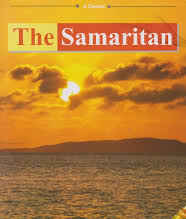
The Samaritan by John Lara is an essential set book in Kenyan secondary schools because it addresses issues that are immediate and relatable to students. Unlike older set books, which were often set in distant contexts, this play is rooted in a Kenyan setting where themes such as bad governance, corruption, impunity, blackmail, and environmental degradation are portrayed through the experiences of ordinary citizens.
Students can easily connect the events in Maracas Municipality with the challenges facing their own counties and the country at large. This makes the lessons more tangible and encourages learners to think critically about their role in society.
The play is also valuable for the moral and civic lessons it conveys. The character of Nicole, an Ethics and Innovation teacher at Sagrada Secondary School, embodies moral courage and persistence. Despite resistance from corrupt leaders who attempt to halt the Samaritan App, she remains firm in her conviction that doing what is right will eventually yield positive results. Through her story, students learn that silence and indifference allow corruption to thrive, while integrity and action can bring about change. This message is crucial in shaping a generation that values accountability and civic responsibility.
What makes The Samaritan particularly relevant in the current technological era is its focus on innovation and digital citizenship. The play centres on the development of the Samaritan App by students Alvita and Montano under Nicole’s mentorship. The app is designed to allow citizens to report corruption, fraud, and environmental crimes by uploading evidence. By bringing technology into the narrative, the play demonstrates that students are not merely consumers of technology but can also become innovators who use it to solve real-world problems. It sparks discussion on digital activism, data verification, misinformation, and the power of technology in holding leaders accountable.
Furthermore, the play aligns well with the goals of Kenya’s Competency-Based Curriculum, particularly in nurturing creativity, critical thinking, and ethical behaviour. The school setting makes it highly accessible, while the language and structure are straightforward enough for students to engage meaningfully with both the literary and thematic elements. It replaces older, more distant texts with a story that feels current, practical, and inspiring.
READ ALSO: Muntu’ after Raila: A play that asks if Kenya will choose personhood or power
In short, The Samaritan is essential because it combines literature with real-world relevance. It teaches ethics through relatable characters, encourages students to see themselves as innovators, and demonstrates how technology can be used responsibly to promote transparency and justice. These are the skills and values that matter for young Kenyans navigating a rapidly changing digital world.
By Enock Okongó
You can also follow our social media pages on Twitter: Education News KE and Facebook: Education News Newspaper for timely updates.
>>> Click here to stay up-to-date with trending regional stories
>>> Click here to read more informed opinions on the country’s education landscape