




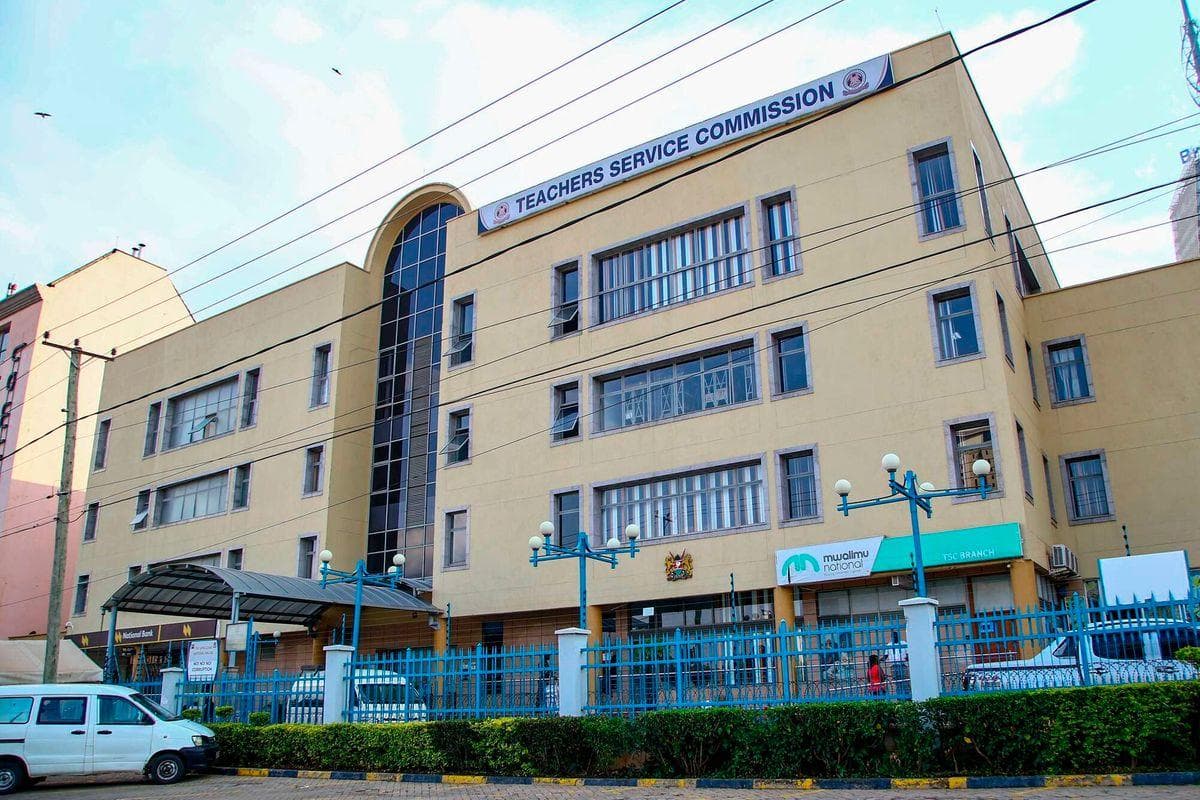
- TSC has struggled with succession management as several senior schools and primary schools operate without substantive principals, deputy principals or deputy headteachers.
- The Commission has re-advertisedsome promotional vacancies, including Teacher Training College positions, citing an insufficient pool of qualified applicants.
- TSC should have a deliberate succession strategy that identifies and prepares potential school leaders years ahead of retirements and administrative vacancies.
Succession management is the deliberate process of identifying, developing and preparing employees to take over key positions when current office holders retire, leave service or move to higher responsibilities. In the education sector, it means having a steady pipeline of teachers who are progressively prepared to take up administrative roles such as senior teacher, senior master, deputy headteacher, headteacher, deputy principal and principal. For the Teachers Service Commission (TSC), this is increasingly becoming a reality that cannot be ignored. The Commission’s promotion structure demonstrates that school leadership is built through progressive career development, with teachers expected to gain experience and exposure before moving into higher administrative positions.
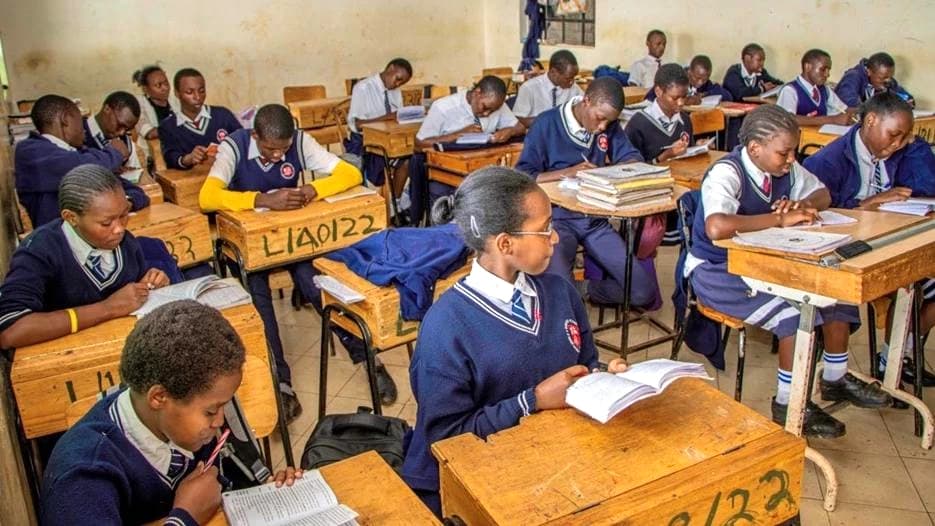
The urgency of this issue is being felt in schools where administrators have retired without immediate replacements being put in place. Some senior schools are currently operating without principals or deputy principals following the retirement of their former administrators. This comes at a particularly critical time, with national examinations approaching and schools expected to provide stable leadership and effective coordination of academic programmes, discipline and examination preparations.
The absence of substantive principals and deputies places an additional burden on the remaining administrators and teachers. School leadership involves far more than signing documents or overseeing daily routines; principals and their deputies coordinate teaching and learning, supervise staff, manage discipline, engage parents and education stakeholders, and ensure that examination requirements are met. When key offices remain vacant, these responsibilities may have to be shared among fewer administrators, potentially stretching the existing leadership structure.
The situation is not confined to senior schools. Many primary schools are also operating without deputy headteachers. In a primary school, the deputy headteacher plays an important role in supporting the headteacher in the day-to-day running of the institution. Where the position is vacant, the headteacher may have to shoulder a larger administrative workload while relying on other teachers to perform additional responsibilities.
ALSO READ:
https://educationnews.co.ke/mitei-at-tsc-what-has-changed-what-is-underway-and-what-is-still-proposed/
Why the Leadership Pipeline Is Running Thin
The underlying problem points back to succession management. A school does not suddenly produce a competent headteacher, principal or deputy when a vacancy arises. Effective school leadership requires experience, exposure and gradual preparation through positions of responsibility. Teachers serving as senior teachers, senior masters and deputies get opportunities to acquire practical experience in supervision, administration, discipline, curriculum implementation and staff management. These positions are therefore important stepping stones in preparing the next generation of school administrators.
Failure to promote teachers into the various administrative job groups in sufficient numbers can create a serious succession gap. When experienced administrators retire, leave service or move to higher positions, there may not be enough suitably qualified teachers immediately available to replace them. Instead of having a broad pool of teachers progressing through the leadership pipeline, the system risks having too few candidates with the required experience when senior positions fall vacant.
TSC’s promotion requirements illustrate how closely the various administrative grades are connected, as candidates for higher administrative positions are generally expected to have served in lower grades and accumulated the necessary experience. This means the availability of qualified candidates for senior positions today depends heavily on the promotion and professional development decisions made several years earlier.
The challenge becomes even more apparent in specialised institutions and some higher administrative grades, where the pool of eligible candidates can be relatively small. TSC has advertised promotional vacancies requiring specific qualifications and experience, but the Commission has also had to re-advertise some promotional positions. Its official downloads section, for example, contains a notice titled “Promotional TTC Vacancies – Re-Advertisement.” Such re-advertisements highlight the difficulty that can arise when the number of suitable applicants is insufficient, whether due to an inadequate number of applications, applicants failing to meet prescribed requirements, or a shortage of teachers with the particular qualifications and experience required.
A Pipeline That Must Be Built Years in Advance
Succession cannot be addressed when an administrator has already left office. Preparing replacements has to begin years before the vacancy occurs. Teachers need opportunities to progress through the administrative grades, gain leadership experience and develop the competencies required for more senior positions. Promotion, therefore, should be viewed not only as career advancement for individual teachers but also as an investment in the continuity of the education system.
There is also a need to recognise the pressure created when vacancies remain unfilled for extended periods. In schools preparing learners for national examinations, stable leadership is particularly important, since examination preparation requires coordination among administrators, teachers, candidates and parents, as well as strict adherence to guidelines and timelines. A school without a substantive principal or deputy may still function, but the absence of key leaders creates an additional administrative challenge at a sensitive period of the school calendar.
The situation in primary schools deserves similar attention. The deputy headteacher’s position is an important component of the administrative structure, yet vacancies in these positions mean that some schools are operating without a second-in-command. Strengthening this level of leadership would not only ease the workload of headteachers but would also create another layer of teachers gaining experience for future headship.
ALSO READ: New TSC officers challenged to uphold integrity, discipline in service
For TSC, the challenge is therefore not merely how to fill today’s vacancies, but how to ensure that there will be enough qualified and experienced candidates for tomorrow’s vacancies. A deliberate succession strategy would identify potential leaders early, expose them to leadership responsibilities and provide opportunities for progressive promotion.
As schools head into another national examination period, the need for continuity in leadership becomes even more apparent. Filling existing vacancies while simultaneously developing the next generation of school administrators would help ensure that retirement does not automatically translate into a leadership vacuum.
Ultimately, today’s classroom teacher is tomorrow’s senior teacher, deputy headteacher, headteacher, deputy principal or principal. Building that pathway deliberately is essential. Otherwise, TSC may continue to advertise positions, re-advertise others and still find itself searching for enough suitable candidates to occupy the offices left vacant by retiring administrators.
By Vitalis Kithakya
Get more stories from our website: Education News
To write to us or offer feedback, you can reach us at: editor@educationnews.co.ke
You can also follow our social media pages on Twitter: Education News KE and Facebook: Education News Newspaper for timely updates.
>> Click here to stay up-to-date with trending regional stories



Reader Discussion (0)
Sign in to comment