


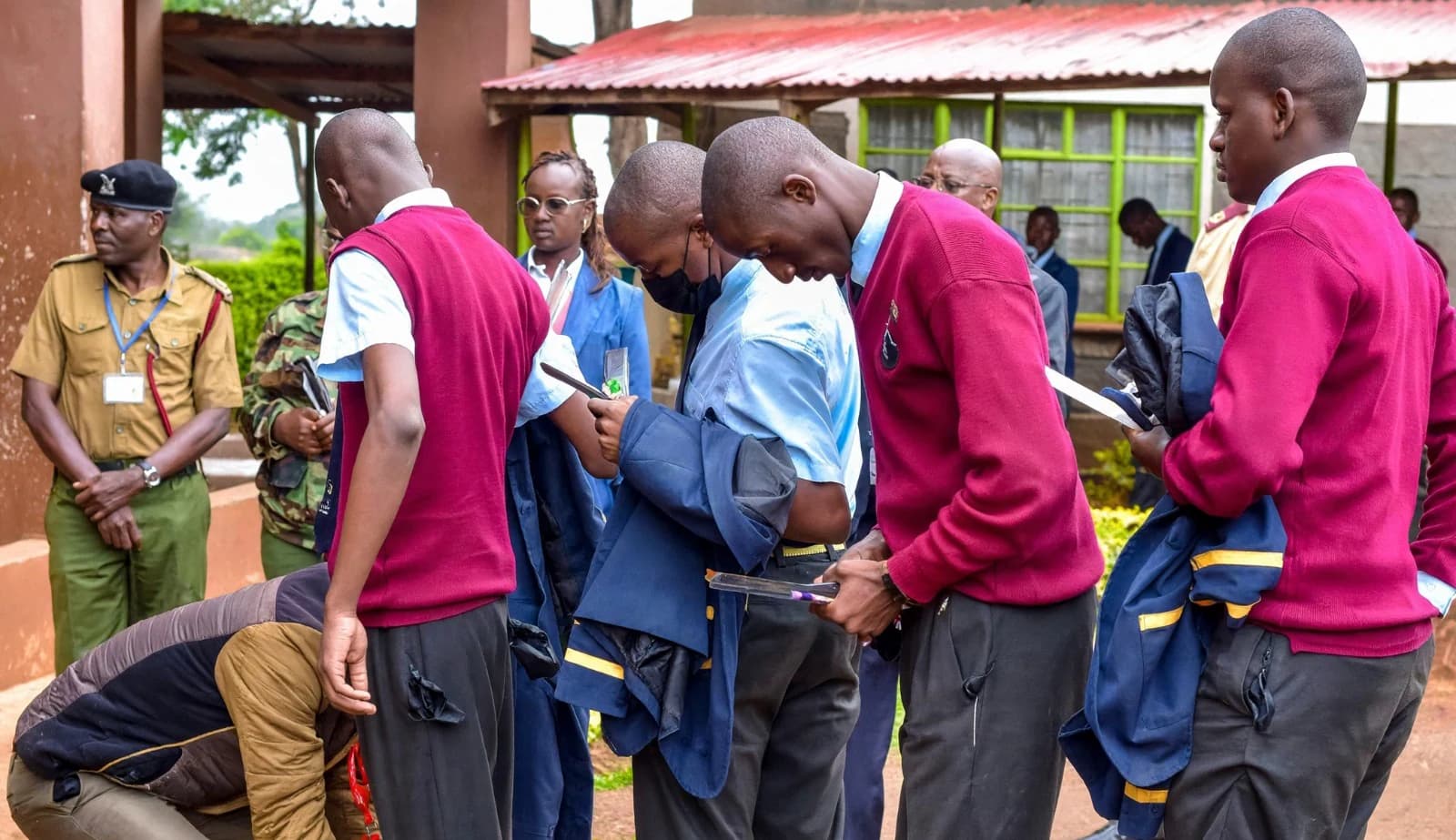





Children from the stateless Rundi community in Kwale County continue to be denied equal access to education due to the lack of legal identification documents, human rights groups have warned.
For more than 15 years, the Rundi have sought state recognition without success, leaving generations unable to register for national examinations, secure school placements, or transition to higher learning. Without birth certificates or other mandatory documents, many children are excluded from opportunities available to other Kenyan learners.
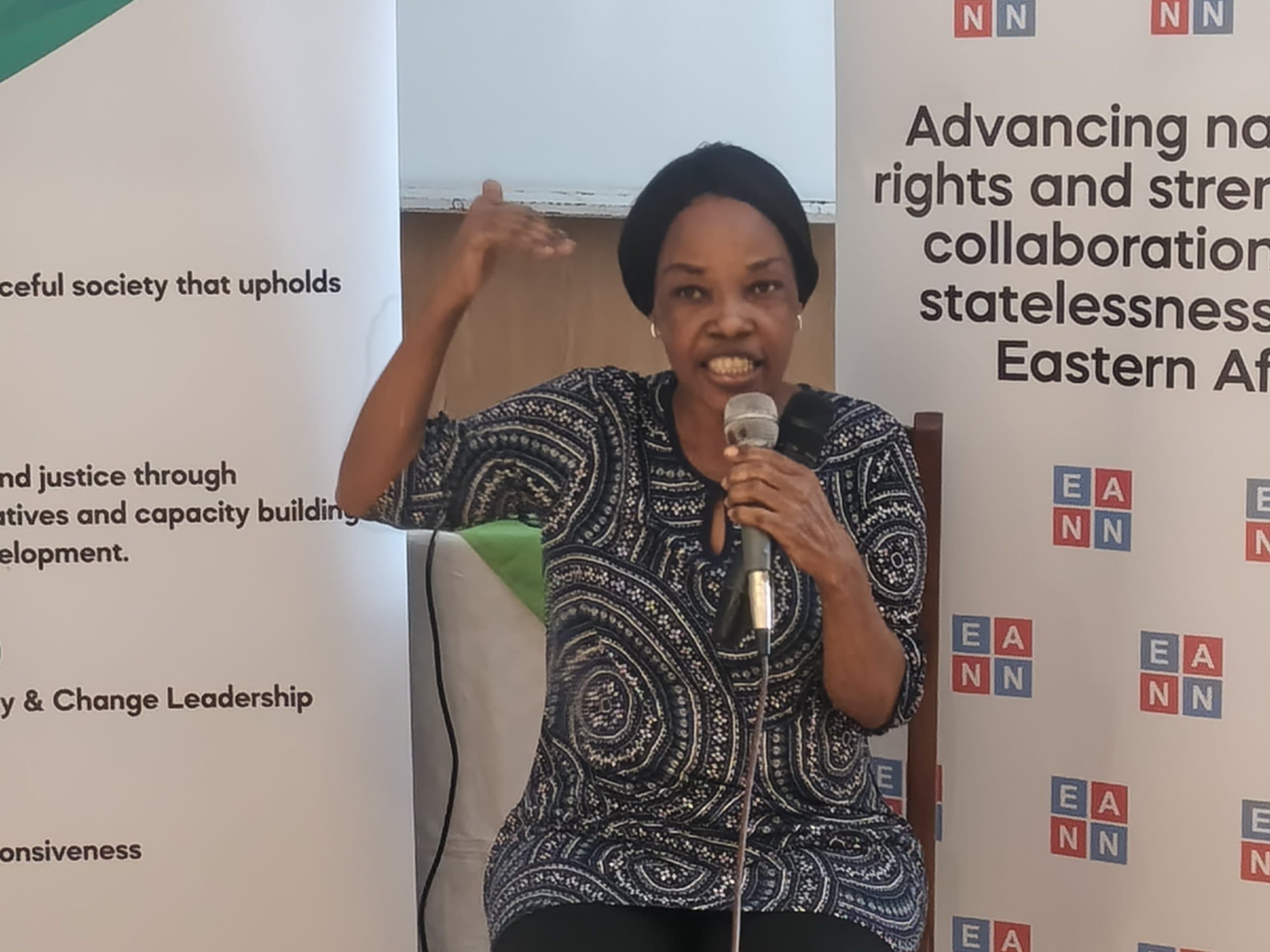
Esther Butui Ndambara, a representative of the community, said the documentation barrier has condemned families to a cycle of poverty and exclusion.
“Many of our children do not complete school because they are required to provide documents we do not have. They drop out early or stay home despite wanting to learn,” she explained.
She traced the problem to their great‑grandparents, who migrated from Burundi in the 1940s and 1950s to work as shamba boys before settling along the Coast. Ndambara noted that the inherited statelessness continues to deprive children of their right to education.
According to her, even those who manage to attend school face anxiety and disruptions whenever institutions demand documentation. She urged the government to grant them citizenship, warning that the lack of identity has already pushed many into despair, hopelessness and long‑term vulnerability.
ALSO READ:
https://educationnews.co.ke/kisii-county-bets-big-on-education-and-social-development/
“Our children deserve the chance to learn without fear. They should not suffer because of a history they did not choose,” she said.
Human rights groups say the problem extends beyond classrooms, with families forced to rely on borrowed identity cards to access basic services, including registration of mobile numbers used for education portals. This exposes them to legal risks and further insecurity.
Haki Centre paralegal officer Hemedi Mwafujo said the prolonged denial of documentation continues to undermine the future of Rundi children despite being born and raised in Kenya. “These young people are suffering the most. Statelessness blocks them from learning, working, and growing like other Kenyan children. Their rights to education and development are violated every day,” he said.
Mwafujo added that Haki Centre, together with the Kenya Human Rights Commission, UNHCR, Eastern Africa Nationality Networks and other partners, has petitioned the National Assembly to fast‑track recognition and grant citizenship to the Rundi, Rwanda and Nubian communities. He confirmed that talks with state agencies are ongoing and efforts are underway to compile accurate data to support the communities’ citizenship bid.
By Mwajabe Omar
You can also follow our social media pages on Twitter: Education News KE and Facebook: Education News Newspaper for timely updates.
>>> Click here to stay up-to-date with trending regional stories
>>> Click here to read more informed opinions on the country’s education landscape


Reader Discussion (0)
Sign in to comment