- Stakeholders in Bungoma and Busia have rejected the proposed one-year loan repayment deadline, urging Parliament to link repayment to actual employment instead.
- The stakeholders challenged the proposed 25 per cent salary deduction cap, calling for it to be reduced to 10 per cent.
University graduates could be given more time before beginning to repay government education loans after stakeholders in Western Kenya challenged a proposed one-year repayment deadline, warning that the requirement could burden young people who have not secured employment.
The stakeholders want Parliament to amend the Tertiary Education and Funding Bill, 2026, to ensure graduates begin repaying their loans only after securing formal or informal employment, rather than automatically becoming liable one year after completing their studies.
The proposal emerged during public participation by the National Assembly Education Committee in Bungoma and Busia counties on Tuesday, as lawmakers gathered views on six education-related Bills. Stakeholders argued that the proposed repayment timeline does not adequately reflect the realities of Kenya’s labour market, where graduates may spend considerable periods searching for jobs after completing their studies.
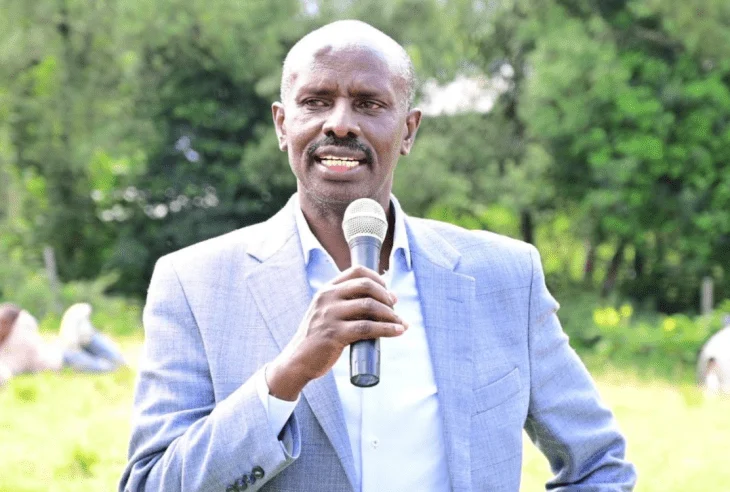
Joseph Ogendo, Deputy Vice-Chancellor in charge of Academics and Student Affairs at Kibabii University, urged the Committee to amend Clause 49(1) so that repayment begins within one year of employment, including where there is proof of gainful employment. The proposal would shift the focus from the date a student completes studies to the point at which the graduate has a source of income from which repayment can reasonably be made.
ALSO READ:
Ruto: Gov’t to roll out School Feeding programme from Term 1, 2027
Stakeholders also challenged another provision of Clause 49 dealing with deductions from a loanee’s earnings. The Bill proposes that, when making loan repayments, the relevant authority should deduct not more than 25 per cent of the loanee’s emoluments. Kibabii University stakeholders want the ceiling reduced to 10 per cent. Ogendo described the proposed 25 per cent deduction as excessive and asked the Committee to consider a lower limit to prevent loan repayments from taking an excessively large share of a graduate’s earnings.
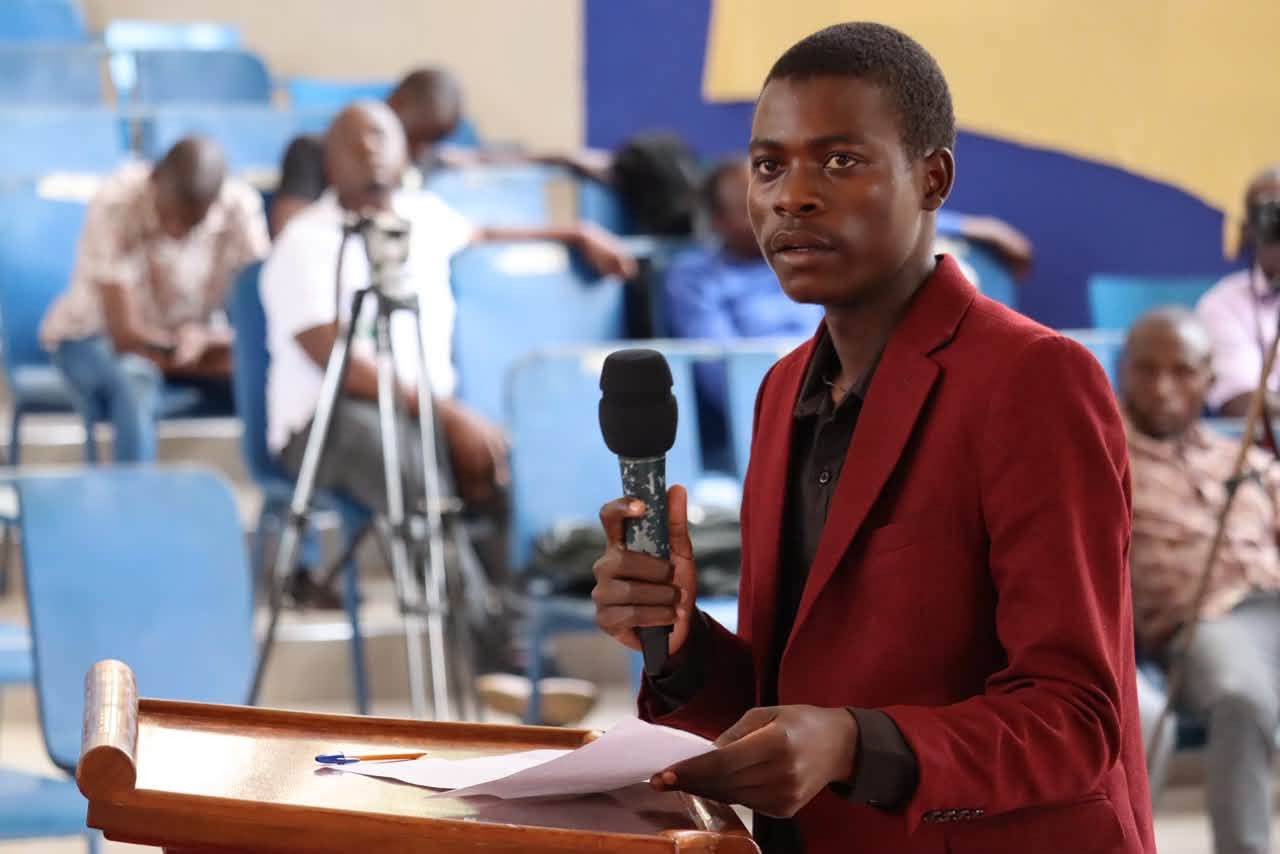
At Alupe University in Busia, stakeholders called for student loans to be made interest-free, arguing that many beneficiaries come from low-income households and depend on the financing to meet tuition, accommodation and upkeep costs. Youth leader Harriet Opoma said the current interest and additional charges could make repayment more difficult for beneficiaries already struggling to establish themselves after graduation. She cited the 4 per cent annual interest on the outstanding balance and the Sh1,000 ledger fee as costs that stakeholders believe should be reconsidered.
The public hearings also brought broader education-sector concerns before the Committee. The Kenya Union of Secondary Schools called for non-teaching staff to be placed under the Ministry of Education, as was previously the case, raising concerns over underpayment, salary delays and working conditions, and asking Parliament to address the position of non-teaching personnel within the proposed legal framework.
The status and administration of Junior Secondary Schools also featured prominently during the hearings. The Kenya Union of Post-Primary Education Teachers (KUPPET) called for autonomy for Junior Schools, while the Kenya National Union of Teachers (KNUT) opposed the proposal, reflecting the continuing debate over the institutional structure, management and staffing of Junior Secondary Schools as Kenya implements the Competency-Based Education system.
How teachers and school staff should respond professionally to a show-cause letter
Education Committee chairperson Julius Melly said the Committee would consider the submissions made by stakeholders and members of the public after completing the nationwide exercise. Melly said the sessions at Kibabii University in Bungoma and Alupe University in Busia had provided useful views and reservations on the proposed legislation.
The Committee is undertaking public participation in all 47 counties before reviewing the submissions and making recommendations for consideration by the National Assembly, with the exercise scheduled to continue in Vihiga, Siaya and Kitui counties.
By Hillary Muhalya
Get more stories from our website: Education News
To write to us or offer feedback, you can reach us at: editor@educationnews.co.ke
You can also follow our social media pages on Twitter: Education News KE and Facebook: Education News Newspaper for timely updates.
>> Click here to stay up-to-date with trending regional stories