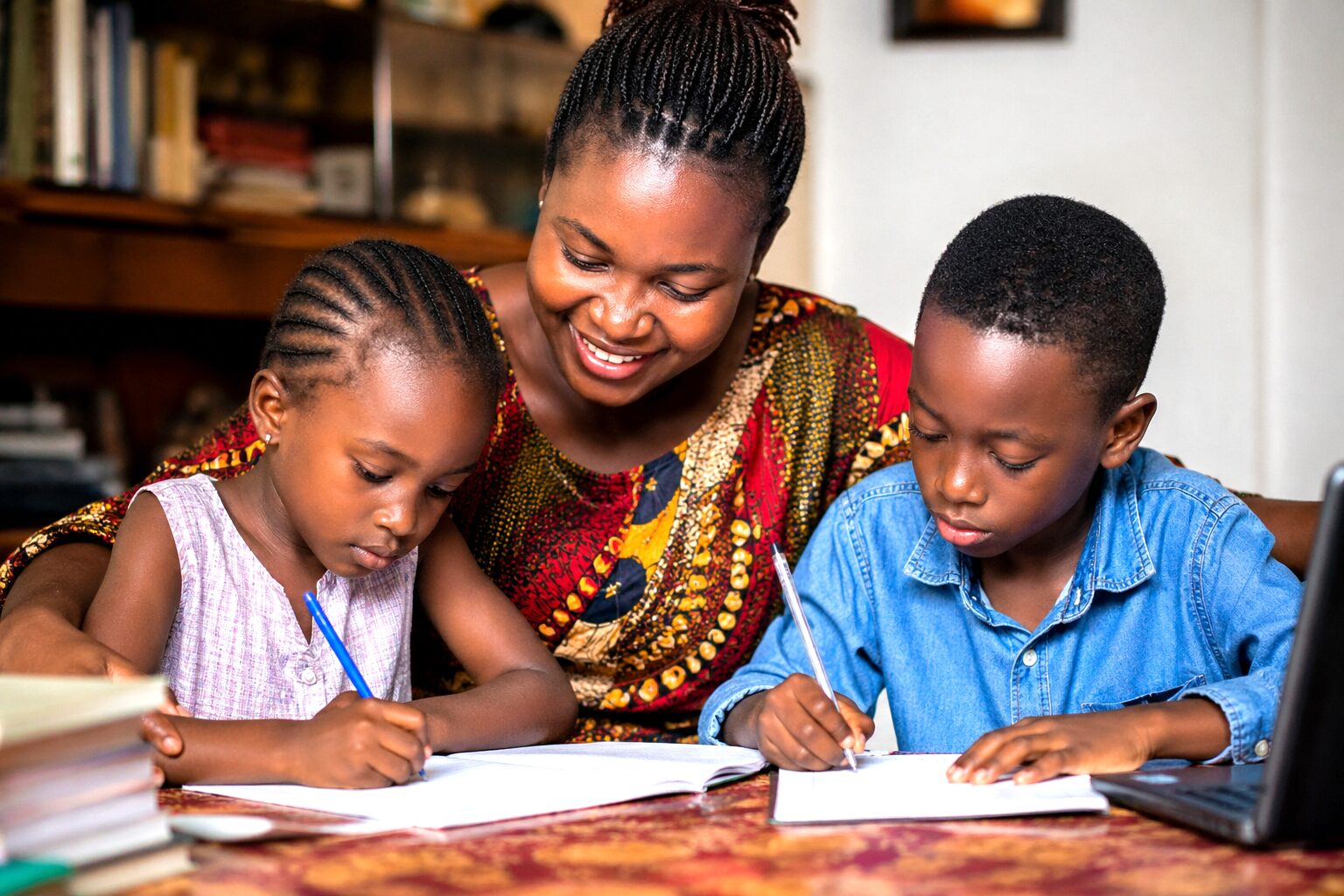
Across many communities, the image of a mother standing alone—resilient yet weary—has become increasingly common. Single mothers, whether by separation, divorce, widowhood, or circumstance, often find themselves at a difficult intersection: raising children, providing for the family, and ensuring academic success, all at once. It is a demanding journey marked by sacrifice, uncertainty, and an unrelenting desire to give their children a better future.
At the heart of this struggle is the balancing act between economic survival and parental involvement. Education thrives on consistency—monitoring homework, attending school meetings, guiding revision, and nurturing discipline. Yet for many single mothers, time is a luxury they do not have. Long working hours, informal jobs, or multiple income streams mean they are often physically absent when their children need academic support the most. The result is a painful paradox: working hard to provide for education, yet lacking the time to actively participate in it.
Financial strain is one of the most pressing challenges. With a single income, meeting school-related expenses—fees, uniforms, books, transport—can become overwhelming. In contexts where educational costs are high, children may face interruptions in learning, frequent absenteeism, or even dropout risks. The stress of financial instability not only affects the mother; it trickles down to the child, creating anxiety and, in some cases, a sense of hopelessness. Such pressure can contribute to conditions like Anxiety disorders among learners, particularly when they are constantly aware of their family’s struggles.
Emotional demands further complicate the situation. Single mothers often carry the dual responsibility of being both caregiver and disciplinarian. They must provide emotional warmth while maintaining authority, a balance that is difficult to sustain under stress. Children, on the other hand, may struggle with the absence of one parent, leading to emotional gaps that affect concentration and motivation in school. In some cases, learners may develop symptoms associated with Depression, especially if they feel neglected, overwhelmed, or different from their peers.
The absence of a second parental figure can also mean reduced academic guidance at home. Homework supervision, career guidance, and subject-specific support may be limited, particularly if the mother’s educational background does not align with the child’s academic demands. As curricula become more complex, especially under competency-based approaches, many parents find it challenging to keep up. For single mothers, this challenge is amplified by time constraints and fatigue.
Discipline and behavioural management present another layer of difficulty. Children in single-parent households may test boundaries, sometimes due to emotional distress or a search for attention. Without a support system, enforcing discipline consistently can be exhausting. Some mothers may become overly strict out of fear, while others may be more lenient due to guilt or exhaustion. Either extreme can affect a learner’s academic focus and overall development.
Social perception also plays a subtle but powerful role. In some communities, single motherhood still carries stigma. Children may face teasing or feel inferior among peers, which affects their self-esteem and participation in school activities. Mothers, too, may feel judged or unsupported, reducing their willingness to engage with school systems or seek help. This isolation further complicates efforts to support their children academically.
Despite these challenges, many single mothers display extraordinary resilience. They become strategists, planners, and motivators—often going beyond their limits to ensure their children succeed. However, resilience alone should not be the only safety net. Structured support systems are essential to bridge the gap.
Schools must recognise the unique realities of single-parent households. Flexible engagement strategies—such as varied meeting times, regular communication through digital platforms, and accessible counselling services—can help mothers stay involved despite tight schedules. Teachers should be trained to identify learners who may need additional academic or emotional support and respond with empathy rather than judgment.
Community support is equally critical. Extended family members, neighbours, and local organisations can play a supportive role by providing mentorship, supervision, or even academic assistance. Creating community-based study groups or safe spaces for learners can ease the burden on single mothers while enhancing children’s academic outcomes.
Government and policy interventions must also step in. Subsidised education, bursaries, school feeding programs, and access to affordable childcare can significantly reduce the pressure on single mothers. When basic needs are met, both mother and child can focus more effectively on education.
Importantly, empowering single mothers with knowledge is key. Parenting programs, financial literacy training, and guidance on supporting learning at home can strengthen their capacity to navigate their children’s academic journeys. Even simple strategies—such as setting routines, maintaining communication with teachers, and creating a conducive study environment—can have a meaningful impact.
READ ALSO: How parenting shapes a child’s learning and academic success
Children, too, must be guided to understand their circumstances without feeling limited by them. Encouraging self-discipline, resilience, and open communication helps them take ownership of their learning. When children feel supported emotionally, they are more likely to overcome academic challenges.
Ultimately, the story of single mothers at the crossroads is not just one of struggle—it is one of determination. They stand at the intersection of hardship and hope, making daily choices that shape their children’s futures. What they need is not sympathy, but support—practical, emotional, and institutional.
If society is to truly value education, it must also value and support those who carry its heaviest burdens. Single mothers are not just navigating their children’s academic journeys; they are redefining what strength, sacrifice, and commitment look like in the face of adversity.
By Hillary Muhalya
You can also follow our social media pages on Twitter: Education News KE and Facebook: Education News Newspaper for timely updates.
>>> Click here to stay up-to-date with trending regional stories
>>> Click here to read more informed opinions on the country’s education landscape
>>> Click here to stay ahead with the latest national news.