- The SDA Church has proposed an amendment to the Basic Education Bill, 2026, seeking representation for the majority of faith-based sponsors on county education boards.
- The church has called for three reserved board positions based on a religious organisation’s institutional presence in a region.
The Seventh-day Adventist (SDA) Church has asked Parliament to amend the proposed Basic Education Bill, 2026, to give majority faith-based sponsors representation on county education boards.
The church wants Section 32 of the Bill changed to ensure religious organisations with a significant presence and a large number of sponsored institutions in a county are represented in the proposed boards.
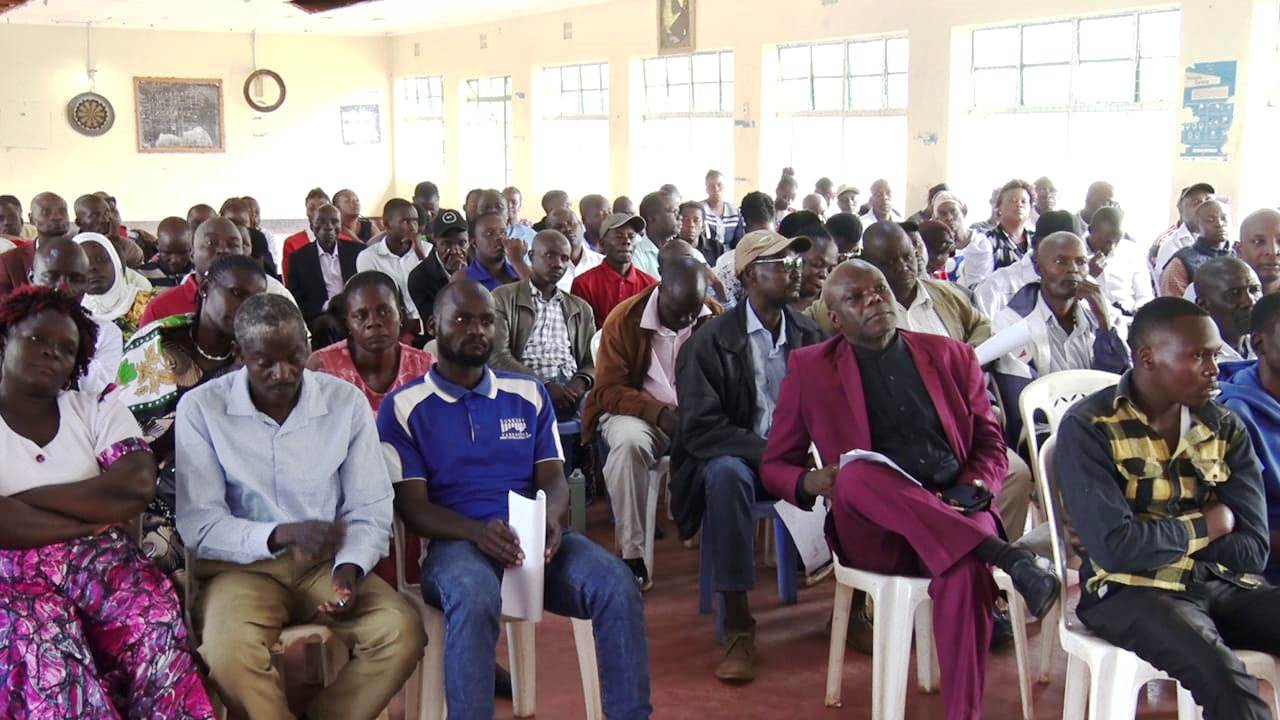
The proposal was presented to the National Assembly Departmental Committee on Education during its public participation exercise in Nyamira and Migori counties on Thursday.
Under the proposed law, each County Education Board would have a chairperson and 15 other members appointed by the Cabinet Secretary. The Bill specifically provides for representatives of the National Council of Churches in Kenya, the Evangelical Fellowship of Kenya, the Kenya Episcopal Conference and the Muslims Education Council.
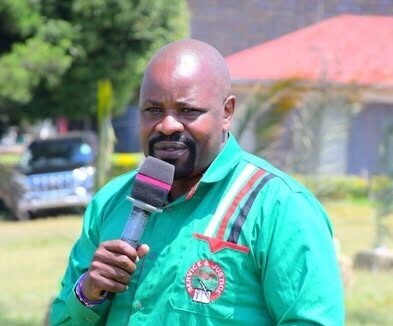
Representing the Adventist Church, Pastor Enock Ooga said the arrangement could exclude faith-based organisations with a substantial institutional presence in some regions. “We propose to retain the wording as it was in the 2013 Education Act to include the option of any other majority faith-based institution that could have more institutional presence in that region,” he told the committee, chaired by Julius Melly.
ALSO READ:
Diploma graduates petition Parliament over teacher registration transition
The church proposed that three positions be reserved for representatives of majority-based sponsors, with representation determined by the institutional presence of the respective faith organisations in a region.
In Migori, the debate shifted to the financing and structure of public schools, with the Kenya Union of Post Primary Education Teachers (KUPPET) calling for greater clarity in the proposed legislation. KUPPET Migori Executive Secretary Willy Otunga said the definition of comprehensive education in the Bill was unclear and urged Parliament to expressly provide for public primary, junior and senior schools.
ALSO READ: JSS autonomy standoff: Teachers put KNUT and KUPPET on the spot over union dues
The union also raised concerns over Clause 11, which states that no tuition fees shall be charged in public schools. Otunga said the law should clearly define the government’s financial responsibility, particularly the level and timing of capitation, to enable schools to operate effectively. “For a smooth running of public schools, Clause 11 of this Bill should clearly state the role of each stakeholder: the government and the parent,” he said.
Committee chairman Melly urged education stakeholders to continue submitting memoranda, saying their views would inform the legislative process. “What you’ve given us shall form part of the law. We are here to hear you and get your views. You are the final people in decision-making,” he said.
By Our Reporter
Get more stories from our website: Education News
To write to us or offer feedback, you can reach us at: editor@educationnews.co.ke
You can also follow our social media pages on Twitter: Education News KE and Facebook: Education News Newspaper for timely updates.
>> Click here to stay up-to-date with trending regional stories