









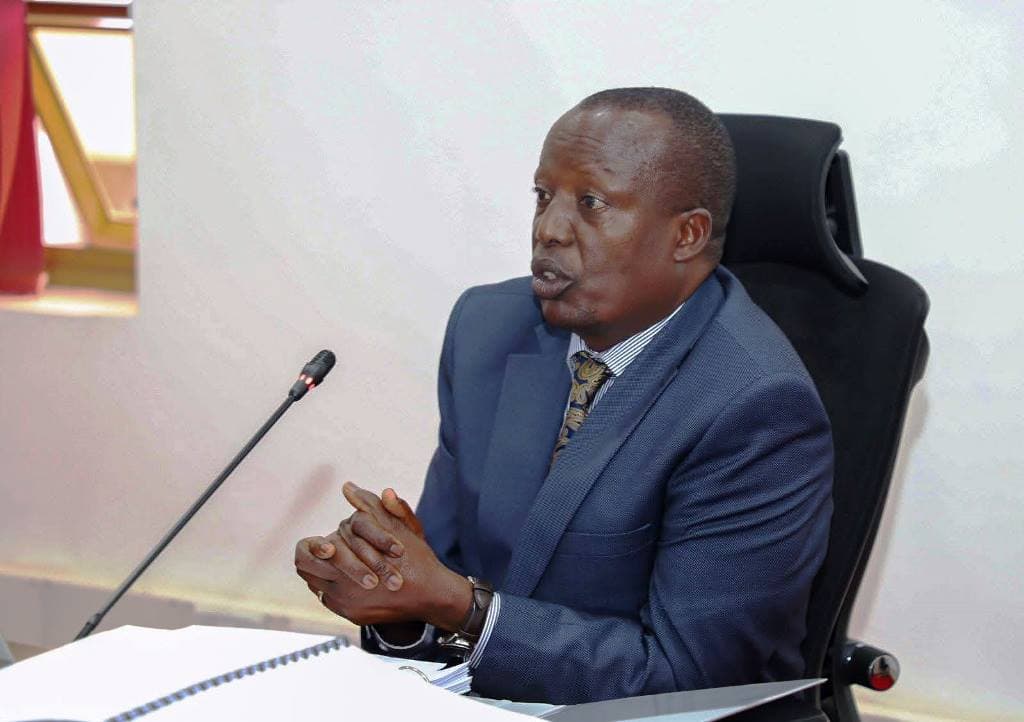
Principal Secretary for Basic Education Prof. Julius Bitok has attributed overcrowding in some Grade 10 classes to “overzealous” school heads who admitted learners beyond the limits set by the ministry’s digital placement system.
Appearing before the National Assembly Committee on Education, Bitok explained that the transition of 1,130,459 learners who sat the inaugural Kenya Junior School Education Assessment (KJSEA) in November 2025 into senior school in January was largely seamless. However, he said manual interventions by principals during placement revisions distorted the process and led to congestion in certain institutions.
Committee vice chair Eve Obara questioned why schools designed for three streams were admitting more than 800 learners, calling the practice unsustainable.
ALSO READ:
https://educationnews.co.ke/west-pokot-ecde-salary/
Bitok acknowledged that national schools such as Lenana School had enrolled 850 students against a capacity of 700, blaming principals for overriding automated placements.
Committee chair Julius Melly criticised skewed enrolment patterns across the country, noting that some schools were overwhelmed while neighbouring institutions had as few as 20 students.
“TSC teachers are idle in some schools, while others are overwhelmed. This is a crisis,” Melly said, directing the PS to table a matrix of enrolment by school to address disparities.
MPs also raised concerns about delayed payments for invigilators and examiners. Bitok said the ministry had requested KSh1.5 billion from the National Treasury to settle arrears, adding that the Kenya National Examinations Council’s budget for 2026/27 stands at KSh9.9 billion, up from KSh9 billion last year.
ALSO READ:
https://educationnews.co.ke/mps-demand-crackdown-on-illegal-school-levies-as-moe-promises-action/
Luanda MP Dick Maungu sought clarity on the Kenya Education Management Information System (KEMIS), which Bitok described as a 10-year inter-ministerial project with the Ministry of ICT and Konza Technopolis. The initiative aims to integrate all education data under one system, replacing NEMIS and eliminating inefficiencies such as ghost schools and inaccurate student records.
Bitok reported that 2,600 learners had been assessed last year and 16,850 rehabilitated, but admitted that infrastructure remains a priority if more funding is secured.
By Masaki Enock
You can also follow our social media pages on Twitter: Education News KE and Facebook: Education News Newspaper for timely updates.
>>> Click here to stay up-to-date with trending regional stories
>>> Click here to read more informed opinions on the country’s education landscape



Reader Discussion (0)
Sign in to comment