






- Kenya’s proposed higher education funding reforms could replace scholarships with loans covering eligible students’ full financing needs.
- The draft law proposes repayments after employment, with deductions capped at 25 per cent of beneficiaries’ earnings.
- It also proposes a university savings scheme and stronger recovery measures for persistent loan defaulters.
The government has unveiled additional details of the proposed Higher Education Financing Model that would fundamentally change how university students are funded, replacing the current scholarship-and-loan system with a fully loan-based financing structure for all eligible students.
The proposals are contained in the draft Tertiary Education Placement and Funding Bill currently under consideration.
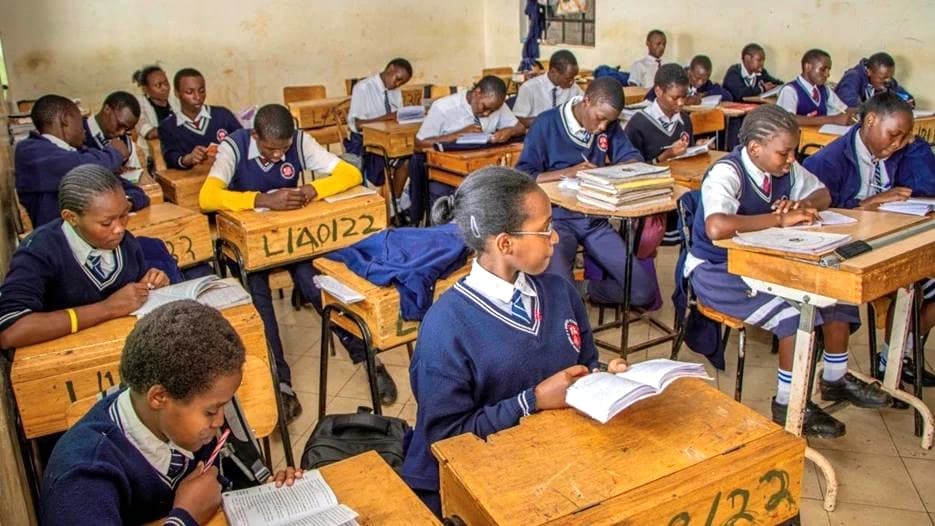
Under the proposed model, every eligible student admitted to a public university or tertiary institution will receive 100 per cent government funding exclusively in the form of loans.
This marks a significant departure from the current system, where government support is offered through a combination of scholarships, loans and household contributions.
The reforms also introduce a university education savings scheme that will allow parents and guardians to save towards their children’s higher education expenses before they join university.
Graduates will only begin repaying their loans one year after securing employment.
Those entering formal employment will be required to declare their loan obligations to their employers, who will then deduct repayments directly from their salaries and remit the money to the proposed Higher Education Funding Authority.
For beneficiaries working in the informal sector or those who are self-employed, the proposal requires them to negotiate repayment plans directly with the new funding authority.
Loan deductions capped at 25 per cent
One of the most notable changes is the proposed increase in loan deductions.
The Bill proposes capping monthly repayments at a maximum of 25 per cent of a beneficiary’s earnings, a significant rise from the current deduction rate of about 4 per cent for HELB loans.
The proposed authority will also be granted powers to pursue persistent loan defaulters through legal action to recover outstanding balances, signalling a tougher approach to loan recovery than under the existing system.
Relief for unemployed graduates
However, the proposals provide relief for graduates who lose their jobs or are unable to continue repayments due to unemployment.
Unlike the current framework, beneficiaries who temporarily suspend repayments because they are unemployed will not face penalties during that period.
If enacted, the reforms will represent one of the most comprehensive overhauls of Kenya’s higher education financing system, with the government arguing that the model will ensure every eligible student receives full funding while improving loan recovery and the long-term sustainability of university financing.
READ ALSO: Why the spirit of a leader eventually becomes the spirit of an organisation
The proposals are expected to undergo parliamentary scrutiny before any changes become law.
You can also follow our social media pages on Twitter: Education News KE and Facebook: Education News Newspaper for timely updates.
>>> Click here to stay up-to-date with trending regional stories
>>> Click here to read more informed opinions on the country’s education landscape



Reader Discussion (0)
Sign in to comment