




As the government accelerates efforts to transition vulnerable children from institutional care to family and community-based systems, a Nyahururu-based organisation is offering critical lessons drawn from years of grassroots experience.
The St Martin Catholic Social Apostolate (CSA) has been at the forefront of reintegrating orphans and vulnerable children back into communities, with a strong emphasis on prevention, protection, and empowerment.
The organisation works closely with community members to ensure children grow up in safe and nurturing environments, reducing reliance on Charitable Children’s Institutions (CCIs).
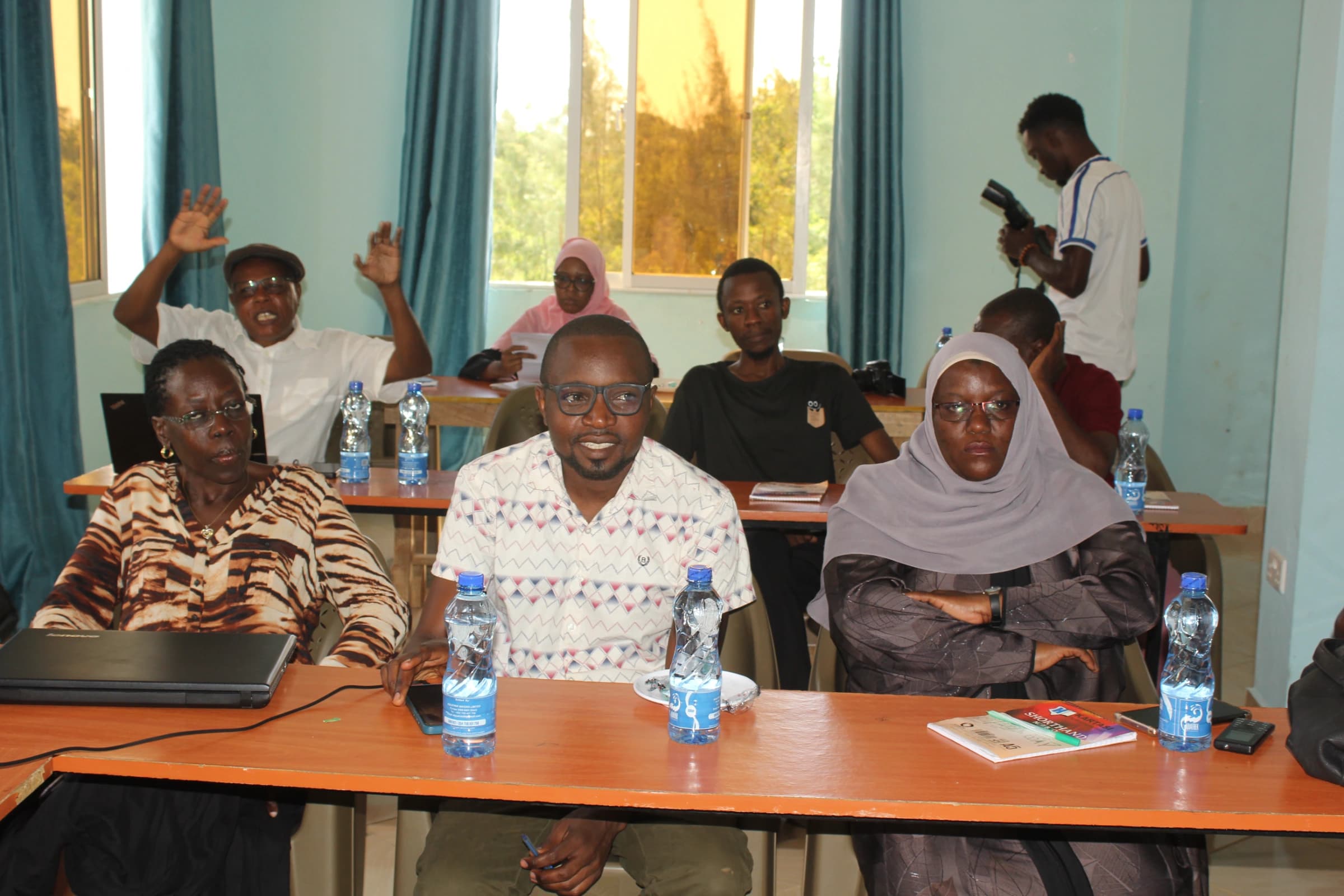
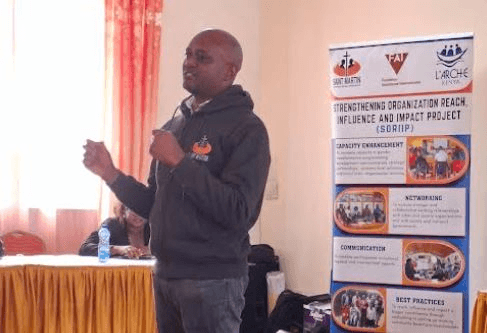
Speaking during a presentation to the Children Advisory and Care Reform Committee, social worker Simon Maina said the programme focuses on strengthening families and communities as the first line of care.
“Our programme aims to enhance the safety of children by building the capacity of various stakeholders in child protection structures at the community level, including community volunteers and other duty bearers, to respond effectively to the needs of vulnerable children,” he said.
ALSO READ:
https://educationnews.co.ke/oyuu-secures-backing-from-eight-regions-ahead-of-knut-polls/
Mr. Maina noted that the initiative promotes positive parenting and community responsibility, grounded in shared values, to ensure children are protected from abuse, violence, and neglect.
“We are empowering individuals within communities who have talents, resources, and goodwill to support vulnerable children, ensuring they remain within family settings rather than institutional care,” he explained.
The programme also adopts a holistic approach to supporting economically disadvantaged families by addressing economic, social, personal, and even political challenges that contribute to child vulnerability.
“Our strategy is designed to tackle poverty, lack of information, and inadequate skills among parents, enabling them to transform their lives and meet their children’s needs sustainably,” he said.
The Children Advisory and Care Reform Committee, chaired by Pilot Khaemba, is overseeing the implementation of the government’s care reform agenda under the 10-year National Care Reform Strategy (2022–2032).
The strategy, spearheaded by the National Council for Children’s Services, is anchored on evidence showing that children raised in institutional care often face severe developmental setbacks compared to those brought up in families and communities.
Mr. Maina emphasized that collaboration is key to the success of the initiative.
“We are working closely with state agencies, faith actors, civil society, and communities to build an environment where every child is valued, heard, and protected,” he said.
He further highlighted the organisation’s unique philosophy: “We address community challenges with a unique approach shaped by our guiding motto — ‘Only through community.’”
Despite the progress, Mr. Maina expressed concern over the rising number of vulnerable children, attributing the trend to economic hardships affecting many households.
“Thousands of children in Kenya are still exposed to violence, abuse, and lack of parental care. Safeguarding their well-being requires ensuring access to basic needs such as food, shelter, education, and healthcare,” he said.
Through its Watoto Tuwalinde project, the organisation has made notable strides. Over the past six years, hundreds of children have been rescued, rehabilitated, and successfully reintegrated into families or foster care.
“Our role is to help children recognize their worth and potential,” Mr. Maina said. “By contributing to their own well-being, they begin to understand that they are capable of reshaping their futures.”
He added that children under their care receive psychosocial support and life skills training to prepare them for reintegration.
“We work to ensure children are aware of their rights and possess the knowledge, skills, and confidence to actualize them,” he noted.
ALSO READ:
https://educationnews.co.ke/knut-transition-politics-heat-up-as-sossion-tells-oyuu-to-retire-ahead-of-polls/
Also addressing the forum, Agnes Makena outlined the organisation’s structured reintegration model.
“Our approach involves five key stages — admission, home tracing, rehabilitation, reintegration, and follow-up, before eventual disengagement,” she said. “We only disengage when we are satisfied that a child has fully settled within the family.”
Mr. Maina reiterated the organisation’s commitment to sharing its experience with stakeholders to support the national transition process.
“We are ready to walk this journey with others to ensure that as many children as possible grow up in loving family environments,” he said.
As Kenya continues to implement its care reform strategy, stakeholders say community-driven models such as that of St. Martin CSA could play a pivotal role in ensuring no child is left behind.
By Kimutai Langat
You can also follow our social media pages on Twitter: Education News KE and Facebook: Education News Newspaper for timely updates.
>>> Click here to stay up-to-date with trending regional stories
>>> Click here to read more informed opinions on the country’s education landscape



Reader Discussion (0)
Sign in to comment