






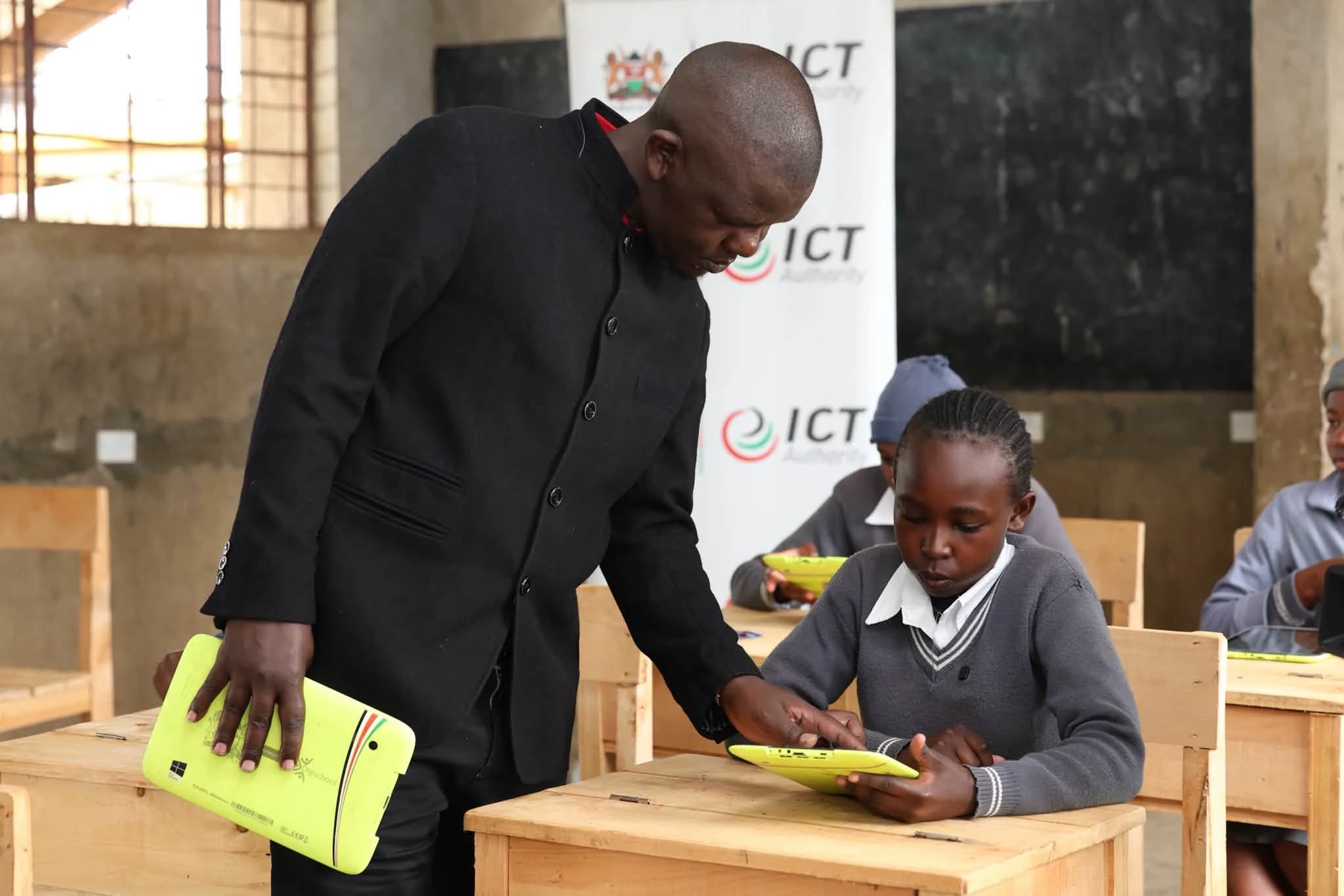
Kenya's ambitious investment in digital education is facing a critical test as reports emerge that only about 10 per cent of tablets distributed to public primary schools remain functional, raising questions about the Government's preparedness to meet the growing demand for technology in Competency-Based Education (CBE) classrooms.
The reported situation presents a bigger challenge than the deterioration of ageing gadgets. It exposes the need for Kenya to rethink how it plans, finances and sustains digital learning in a school system experiencing increasing learner enrolment and growing demand for technology-supported instruction.
The Government cannot continue measuring the success of the Digital Literacy Programme (DLP) by the number of tablets purchased and distributed nearly a decade ago. What matters now is whether schools have enough functional devices to support the demands of the current curriculum and the expanding population of learners.
Kenya's DLP was initiated in 2013 as part of the Government's efforts to integrate technology into teaching and learning. However, the major procurement and nationwide distribution of devices took place between 2016 and 2017.
The programme involved approximately 1.2 million digital devices intended to introduce technology into public primary school learning. By August 2020, the Government had reported distributing 1,168,798 learner tablets to 21,637 public primary schools.
The investment, estimated at approximately Sh29 billion to Sh30 billion when devices and associated infrastructure are considered, represented one of Kenya's major attempts to transform how children access educational content and develop digital skills.
Nearly a decade later, the circumstances under which the programme was introduced have changed considerably. The education system is now operating under CBE, which places greater emphasis on practical activities, research, creativity, collaboration, problem-solving and the application of knowledge.
These demands make access to digital devices increasingly important. Tablets are no longer simply supplementary classroom equipment that schools can occasionally use. They can support access to learning materials, interactive content, digital assignments, research and other activities associated with modern teaching.
The challenge is that the original investment was made when the devices were intended to serve a different generation of learners and a different stage of curriculum implementation. Today, schools must accommodate new cohorts of learners while dealing with equipment that has aged considerably.
This creates an uncomfortable contradiction: Kenya is demanding more digital engagement in classrooms while the technology originally purchased to support that ambition is reportedly becoming unavailable.
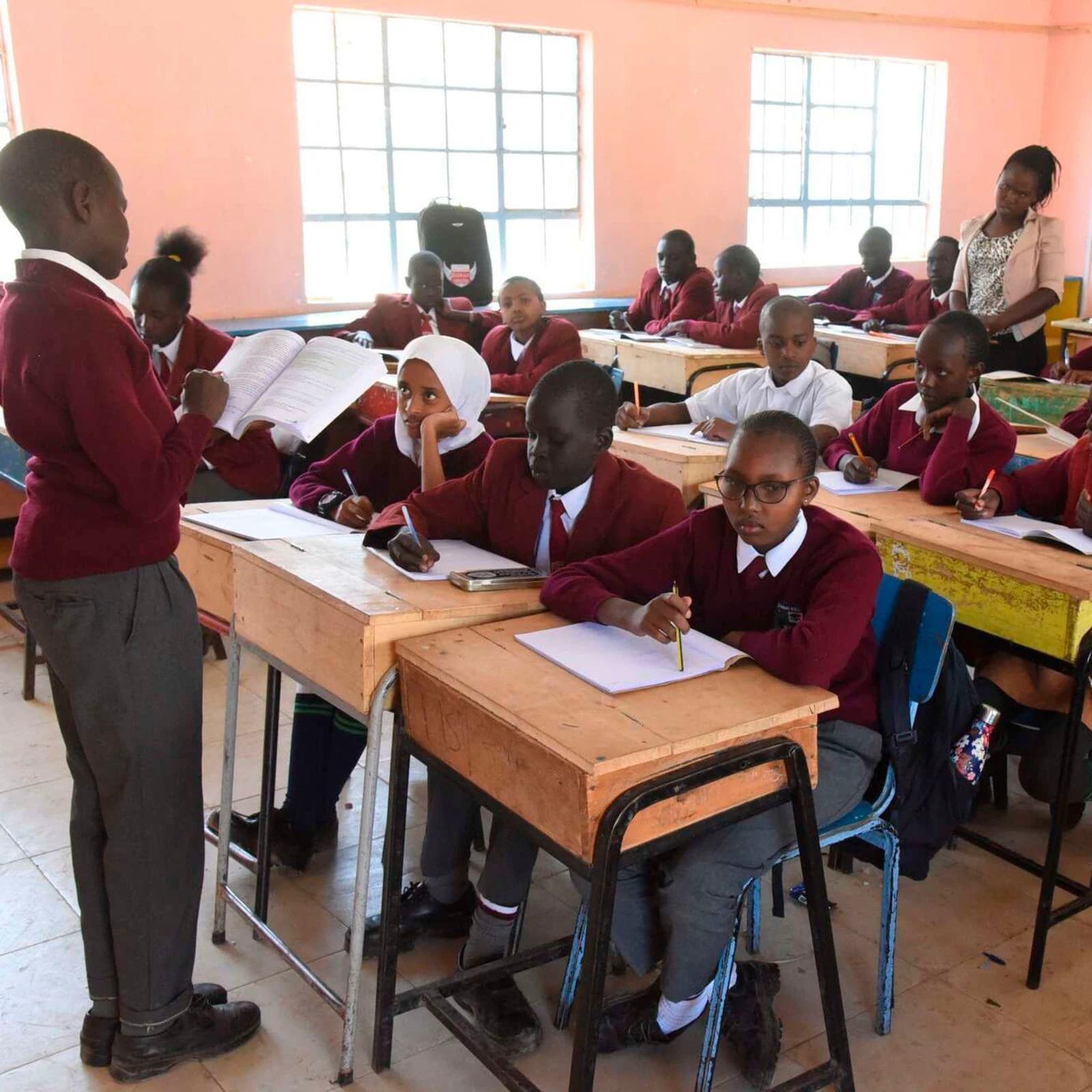
The growing learner population makes the situation even more urgent. Every additional cohort entering school adds pressure to existing infrastructure, including classrooms, teachers, textbooks and digital devices. Even schools that initially received adequate numbers of tablets may now find that their equipment cannot sufficiently serve their current enrolment.
A tablet that served one group of learners several years ago cannot be assumed to remain sufficient for a school with a larger population today. Devices are shared, batteries deteriorate, screens break and equipment becomes outdated. The result is a widening gap between the number of learners requiring digital access and the number of functional gadgets available.
This is why the Government should approach the reported tablet crisis as a question of educational capacity rather than simply an equipment maintenance problem.
Assessing the condition of ageing tablets
A good-quality educational tablet can generally serve for approximately five to seven years under normal conditions, depending on its quality, frequency of use and maintenance. Batteries may require replacement after two to four years, while charging ports, screens and other components can deteriorate through regular classroom use.
Since the major distribution took place in 2016 and 2017, many of the original devices have now reached or exceeded their typical expected service life.
Nevertheless, their age should not be used as an excuse to abandon every device. Some tablets may still have several useful years left if fitted with replacement batteries, screens, charging ports and supported software.
The Government should therefore undertake a nationwide technical audit to establish how many devices can be restored economically and how many have become technologically obsolete.
However, repairing the tablets is not necessarily a straightforward undertaking. Some batteries may be completely degraded, while manufacturers may have discontinued the production of replacement components. Other devices may have outdated operating systems, limited storage capacity and processing power that cannot support current educational applications.
It would make little economic sense to spend taxpayers' money repairing a tablet that cannot reliably access the digital learning platforms required in schools.
The Ministry of Education must distinguish between devices requiring minor repairs, those needing major refurbishment and those that have reached the end of their technological usefulness. Where compatible components are unavailable or repair costs approach the price of a suitable replacement, phased replacement should be considered.
The objective should not merely be to make an old tablet switch on. It should be to ensure that every device returned to a classroom can support meaningful learning.
Fresh procurement must reflect learner needs
However, repairing existing tablets alone will not resolve the wider problem of insufficient digital devices in schools. Even if the Government successfully restores a substantial proportion of the original stock, it must still determine whether the available gadgets are adequate for today's learner population and the requirements of CBE.
This is where fresh Government procurement becomes necessary.
Kenya cannot indefinitely depend on tablets purchased nearly a decade ago to support a curriculum whose digital demands continue to evolve. The Government must invest in modern educational devices capable of supporting current applications, interactive learning platforms and the technological requirements of CBE classrooms.
A new procurement programme should not simply involve purchasing gadgets and distributing them to schools without considering their actual needs. The Ministry of Education should first establish the number of learners in each institution, the existing stock of functional devices and the additional equipment required.
Schools with rapidly increasing enrolment and severe shortages should receive priority. Distribution should be based on actual learner populations rather than historical allocations made when the original programme was introduced.
Modern tablets should have adequate processing power, sufficient storage, durable batteries, reliable connectivity and operating systems capable of supporting current educational applications. They should also come with protective casings, warranties, technical support and guaranteed availability of replacement components.
The Government must avoid repeating the mistakes associated with treating digital devices as one-off procurement items. The purchase price should not be the only consideration. Maintenance costs, software updates, repairs, technical support and eventual replacement must form part of the procurement framework.
More importantly, the Government should establish a realistic ratio of functional devices to learners. This would help determine whether schools have sufficient equipment to support meaningful digital learning rather than merely having a few tablets available for demonstration purposes.
Establishing a sustainable maintenance framework
The Ministry should also establish clear repair timelines. Routine faults such as battery replacement, charging-port repairs and software troubleshooting could be addressed within five to ten working days where spare parts are available. More complicated repairs may require longer.
A nationwide rehabilitation programme could be implemented within 30 to 90 days, depending on the number of devices involved, the availability of technicians and the supply of replacement components. These should be proposed service standards, supported by clear accountability mechanisms.
Beyond the immediate exercise, Kenya needs a sustainable maintenance and replacement policy for school technology. A five-year maintenance and replacement planning cycle, supported by annual inspections, would help prevent a repeat of the current situation.
Schools should also receive adequate technical support, secure storage facilities, charging infrastructure and clear procedures for reporting damaged equipment. The Government should establish a dedicated maintenance framework involving the ICT Authority, qualified technicians, manufacturers and authorised service providers.
The issue also raises an important question about the adequacy of education financing. As the learner population expands and CBE increases the demand for practical and technology-supported instruction, the Government must consider whether existing school capitation and infrastructure allocations adequately accommodate digital learning requirements.
It would be contradictory to introduce curriculum reforms that increasingly depend on practical learning and digital resources while failing to maintain or expand the equipment required to support them.
The reported figure of only 10 per cent of tablets remaining functional should also be independently verified. The Government must publish updated figures showing how many devices remain operational, how many are repairable, how many are obsolete and how many additional tablets schools require based on current enrolment.
Ultimately, Kenya needs to move away from a procurement-driven approach to digital education towards a sustainable investment model that considers the entire life of a device, from acquisition and distribution to maintenance, refurbishment and replacement.
The country cannot afford to allow an investment running into billions of shillings to lose its educational value through inadequate maintenance. Neither can it expect a growing population of learners to depend indefinitely on gadgets procured nearly a decade ago.
The solution should therefore be three-pronged: repair every economically viable tablet, replace devices that have genuinely reached the end of their technological life and procure modern gadgets to accommodate the increasing learner population and demands of CBE.
The Government must recognise that digital devices are becoming an increasingly important part of educational infrastructure, just like classrooms, laboratories, textbooks and teacher recruitment. Their maintenance, expansion and replacement should receive corresponding attention in education planning and budgeting.
Kenya's digital education ambition cannot be realised through an ageing stock of tablets designed for a different generation of learners. If the country expects children to acquire digital skills, undertake technology-supported learning and compete in an increasingly digital economy, schools must have access to modern, functional and sufficient equipment.
The real measure of DLP should no longer be how many tablets were distributed in 2016 and 2017, but how many learners can access functional digital learning devices today.

Reader Discussion (0)
Sign in to comment