

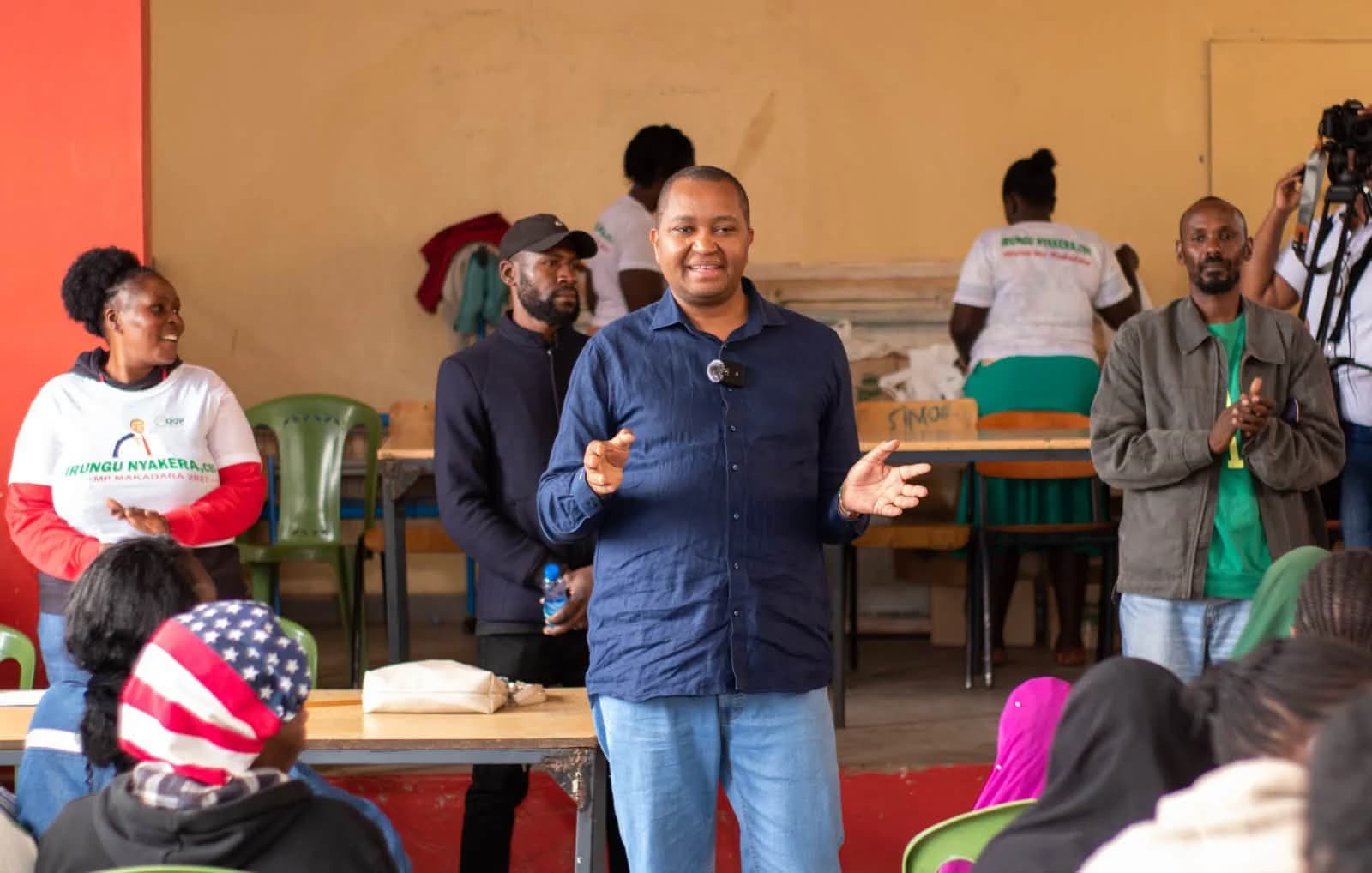





Former Principal Secretary Irungu Nyakera has announced plans to pursue legislation that would compel the government to provide free school uniforms to every learner in public schools, proposing the National Government Constituencies Development Fund (NGCDF) as a central financing mechanism.
The proposal challenges the traditional arrangement in which parents bear the responsibility of buying uniforms, and could relieve millions of parents of a recurring expense.
Nyakera argued that no child should be disadvantaged or denied an opportunity to attend school because their parents cannot afford a uniform. He said the government should treat school uniforms as an essential component of public education support, just as it provides uniforms to personnel serving in the security and disciplined forces.
"A school uniform should not be a barrier to a child's education. Just as the government provides uniforms to our security and disciplined forces as part of its responsibility, we should explore a sustainable public framework that guarantees every Kenyan learner access to a free school uniform," Nyakera said.
For many households, the cost of educating a child extends far beyond school fees. Uniforms, shoes, stationery, textbooks and other personal requirements continue to take up significant amounts of family income, particularly when schools reopen. The burden is heavier for families with several children in public schools, where the cumulative cost of preparing learners for a new academic year can be overwhelming.
Uniforms also need periodic replacement because children outgrow them, fabrics wear out and shoes become unsuitable. A family with several school-going children can therefore spend thousands of shillings on uniforms alone, even before other school requirements are counted.
Providing uniforms through public funding could release some of this money for food, healthcare, transport and other household necessities, and ensure that children from poorer backgrounds are not visibly disadvantaged.
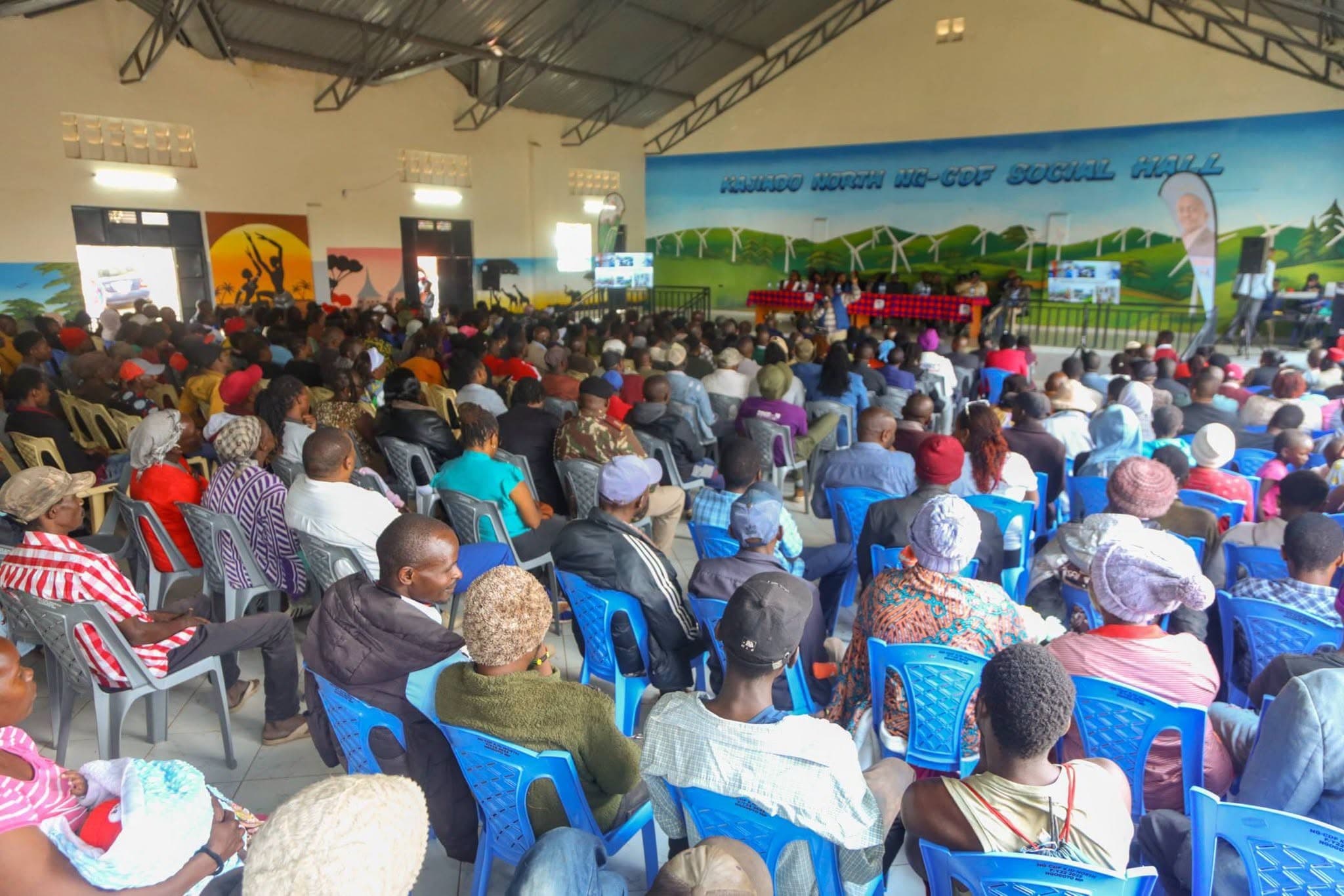
Under Nyakera's proposed framework, the NGCDF would play a significant role in financing the provision of uniforms to learners within constituencies. The constituency-based approach could bring the programme closer to beneficiaries, making it easier to identify needy households and coordinate distribution through public schools.
The proposal also raises questions about the capacity of the NGCDF to take on another major expenditure alongside its existing responsibilities, including bursaries and education infrastructure projects. A sustainable programme would require additional funding rather than simply redirecting resources from existing development priorities.
The government would also need to establish uniform procurement standards, transparent distribution procedures and independent oversight to prevent inflated costs, favouritism and misuse of public resources.
For the proposal to become a national intervention, the government would have to determine the number of uniform sets each learner should receive, the frequency of replacement and the categories of institutions covered. Primary, junior and senior schools have different uniform requirements, so a national programme would need to accommodate institutional differences without creating procurement complications.
It would also need to establish whether uniforms would be supplied annually, at admission or whenever a learner outgrows or damages the existing set. Publicly funded uniforms would have to be durable and suited to the conditions in which learners study.
The proposal comes amid continuing discussion about the adequacy of government support for public schools and the financial pressures on parents. While free primary and subsidised secondary education have expanded access to schooling, families continue to meet several indirect costs of keeping children in school.
For now, the proposal remains at the advocacy stage. No legislation has been passed, and the government has not announced an implementation date or allocated funds for the programme.

Reader Discussion (0)
Sign in to comment