






Education should be more than preparing learners to pass examinations. It should help every child discover their abilities, develop their talents and prepare to make a meaningful contribution to society. This is the promise of Competency-Based Education (CBE) in Kenya. However, fulfilling this promise requires effective educational leadership that places every learner’s potential at the centre of school decisions.
Kenya’s shift from the 8-4-4 system to CBE represents an important change in how we understand educational success. CBE emphasises competencies, values, attitudes, interests and abilities rather than relying exclusively on examination performance. It recognises that learners are different and that success should not be measured using a single yardstick. Every learner has something valuable to offer, but that potential must be identified, nurtured and given opportunities to flourish.
Leadership beyond administration
Effective educational leadership is not simply about managing school routines, enforcing discipline, preparing timetables or ensuring syllabus coverage. It is about creating an environment in which teachers can identify learners’ strengths and provide opportunities for growth.
A school leader implementing CBE in a Kenyan Junior School should ask important questions: Do our learners understand their strengths? Are teachers identifying different talents? Are learners participating in practical activities, projects and clubs? Are we helping them understand the pathways available in Senior School?
These questions should influence resource allocation, teacher support, assessment practices and engagement with parents.
For example, a school head can organise regular professional development sessions where teachers discuss how to assess competencies through practical tasks, projects, portfolios and observations. School leaders can also ensure that information from school-based assessments is used to identify strengths and areas requiring support, rather than treating assessment merely as a way of ranking learners.
A learner who struggles with written examinations may demonstrate exceptional creativity, leadership, practical problem-solving skills, sporting ability or artistic talent. Effective leadership ensures that such strengths are not overlooked.
Discover: Helping learners recognise their potential
The first responsibility is to help learners discover their abilities, interests and aspirations.
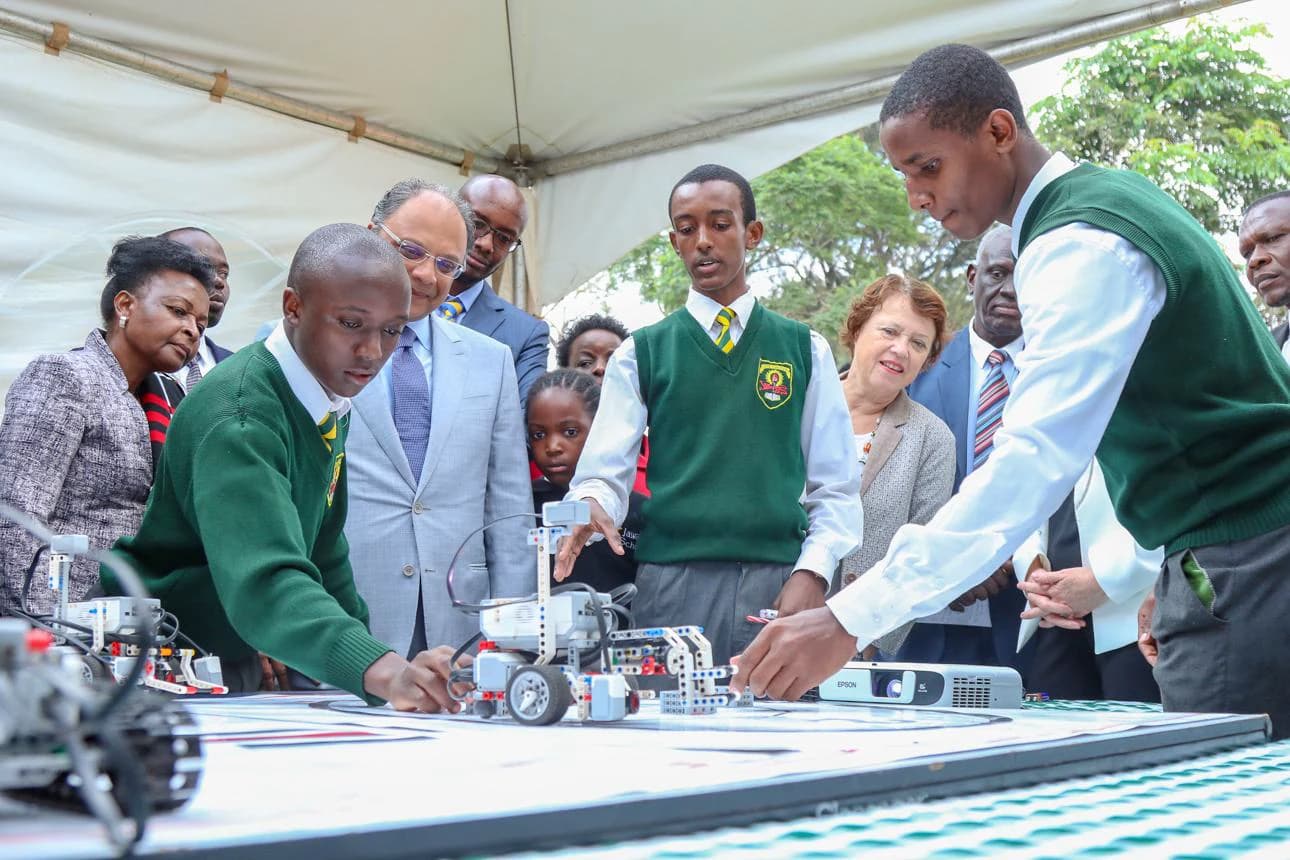
In Kenyan schools, career days, science and engineering fairs, music festivals, sports, debates, coding clubs, environmental projects and community service activities provide valuable opportunities for learners to explore what they enjoy and what they can do well.
Imagine a Grade 8 learner who demonstrates an interest in designing machines using locally available materials. A supportive school leader can encourage the learner to join a science or innovation club, work with a teacher mentor and participate in a science fair. Another learner who enjoys helping others may demonstrate potential in healthcare, counselling, teaching or community leadership.
Discovery should not be restricted to annual events. It must be integrated into everyday classroom experiences and co-curricular activities.
Teachers also need to communicate their observations to parents so that talents identified at school can be encouraged at home. This is especially important as learners approach the transition from Junior School to Senior School, when they need guidance to make informed decisions about learning pathways.
Develop: Turning potential into competence
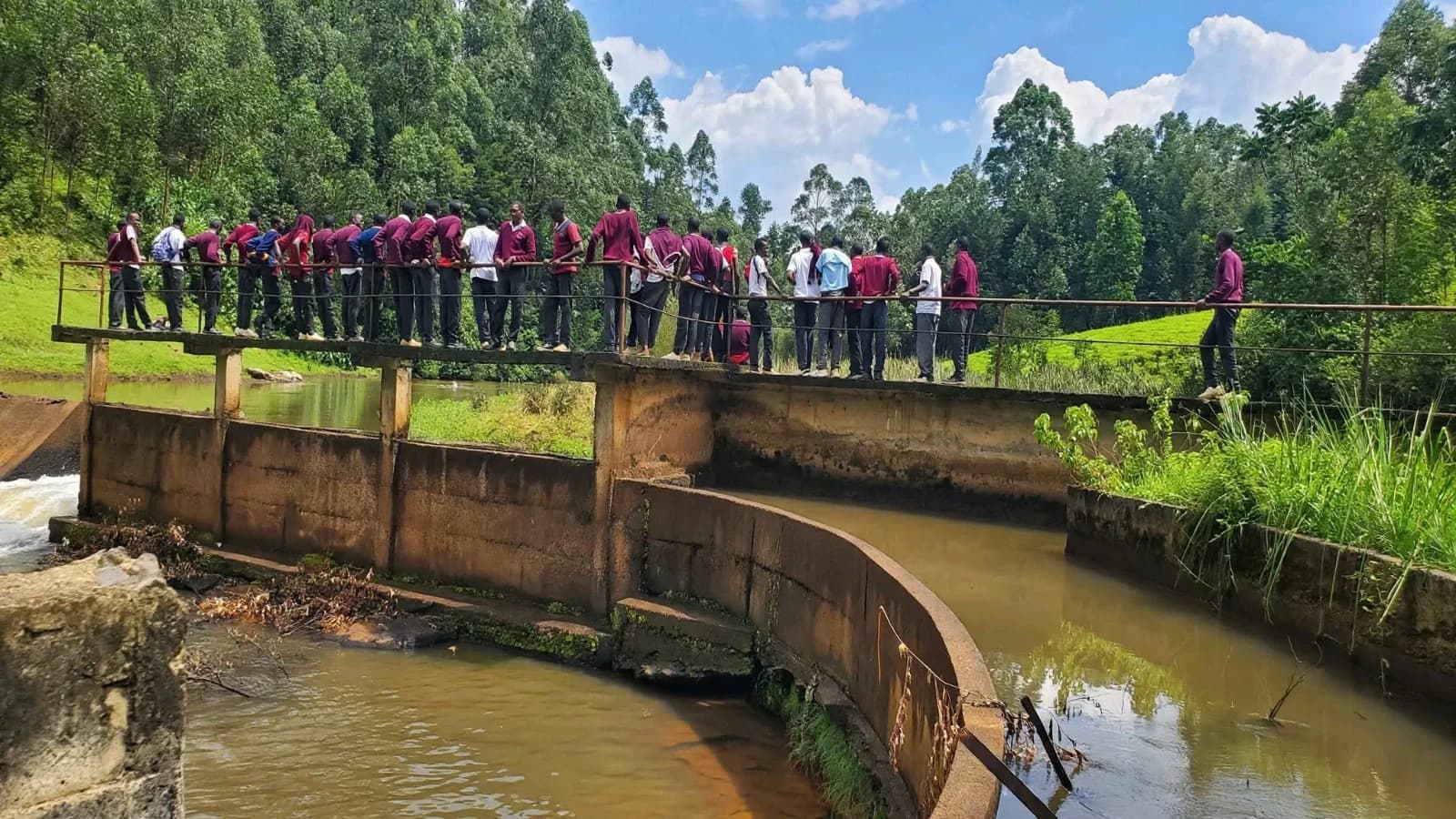
Identifying talent is only the beginning. A learner aspiring to become an engineer needs opportunities to develop relevant competencies through mathematics, science, design, practical projects and exposure to technology. A learner interested in agriculture may benefit from school gardens, agricultural projects and visits to farms or agricultural research institutions.
Similarly, a learner interested in music requires instruction, practice and performance opportunities, while a learner with leadership potential needs opportunities to take responsibility, collaborate and solve problems.
Kenyan school leaders can make this possible by establishing partnerships with universities, technical and vocational institutions, hospitals, agricultural organisations, businesses and professionals willing to mentor learners. Even where schools have limited resources, local artisans, entrepreneurs, farmers, nurses, engineers and other professionals can provide meaningful career exposure.
For example, a school could invite a local entrepreneur to explain how a business operates, arrange a visit to a technical institution or organise a mentorship session with professionals from different career fields. Such experiences help learners connect classroom learning with the world beyond school.
However, leadership must address the inequalities that affect access to these opportunities. Some schools have well-equipped laboratories, computers and specialised instructors, while others struggle with basic learning resources. Effective leaders must prioritise available resources, seek partnerships and promote inclusive activities so that learners are not denied opportunities because of their backgrounds.
Parents are equally important. They should encourage their children’s interests without imposing careers based solely on family preferences, social prestige or perceived financial rewards.
Deploy: Preparing learners to impact society
The ultimate purpose of education is not merely to help learners acquire certificates. It is to prepare them to apply their knowledge, skills, values and competencies in real-life situations.
The transition from Junior School to Senior School is a particularly important stage in Kenya’s CBE implementation. As learners complete Junior School and undertake the Kenya Junior School Education Assessment (KJSEA), school leaders at both levels must understand the purpose of the transition and the decisions learners have made about their educational futures.
Senior School leaders must recognise that learners are not joining their institutions simply because they performed well across all learning areas in KJSEA. They are also transitioning with identified interests, aspirations and pathway choices, supported by their learning experiences and assessment information. Their selected subject combinations and pathway preferences should therefore be taken seriously, subject to the applicable placement requirements and the learning areas offered by the receiving school.
This calls for a change in mindset. Senior School is not merely a continuation of the old system in which learners were grouped according to broad academic strengths and schools made decisions based primarily on examination grades. CBE requires a more deliberate focus on pathways, competencies, interests and future aspirations.
In this era, the conversation should move beyond the traditional divisions of sciences, humanities and technical subjects towards understanding the pathways and learning areas through which learners can develop their potential. A learner interested in a particular STEM pathway should not automatically be expected to pursue humanities subjects simply because the school traditionally combines them. Equally, a learner interested in arts or social sciences should receive appropriate guidance and opportunities to develop in those areas.
Gone should be the blanket assumptions that learners cannot pursue particular combinations simply because of long-established school traditions. Where a learner has selected specific subject codes or combinations through the official process, school leaders should understand what those choices mean and guide learners in accordance with the approved curriculum, placement rules, subject availability and relevant progression requirements. Schools must not substitute their preferences for learners’ informed choices without a valid curricular or regulatory reason.
This is why effective CBE implementation depends on school leaders being adequately equipped with the knowledge, skills and understanding required to interpret the curriculum, guide pathway choices, support teachers and communicate effectively with parents. Leadership development and continuous professional learning are essential if Senior Schools are to respond appropriately to the learners entering their institutions.
As learners prepare for Senior School, schools should provide accurate information about available pathways, learning areas and future opportunities. Decisions should be informed by learners’ interests, demonstrated abilities and aspirations—not driven solely by peer pressure, parental expectations or the perceived prestige of particular careers.
The desired outcome is a generation of young people who can apply their competencies confidently, adapt to changing circumstances and contribute positively to society. This reflects the CBE aspiration of developing **engaged, empowered and ethical citizens**.
A shared responsibility for every learner
Effective educational leadership does not mean that school heads must perform every task themselves. It means building a shared vision that brings together teachers, parents, learners and community partners.
School leaders must create a culture in which different talents are valued, teachers are supported, learners receive constructive feedback and opportunities are distributed fairly.
The success of CBE should therefore not be judged solely by examination results or the number of learners who pursue popular careers. We must also ask whether learners have discovered their strengths, developed meaningful competencies and gained the confidence to make informed decisions about their futures.
The journey can be summarised in three words: **Discover, Develop and Deploy.** We discover the potential within each learner, develop it through purposeful support and opportunities, and deploy empowered individuals into society to make a positive difference.
Ultimately, Kenya’s CBE ambitions will be realised not by curriculum documents alone, but by what happens in classrooms, laboratories, playing fields, workshops, homes and communities. Effective educational leadership must turn the promise of CBE into practical experiences that help every learner thrive.
Every learner has potential. The responsibility of effective educational leadership is to ensure that this potential is discovered, nurtured and ultimately put to meaningful use.
The writer holds a master’s degree in Educational Leadership and Policy Studies.


Reader Discussion (0)
Sign in to comment