For years, Africa has been known for its growth story. Investment has flowed, new technology has been growing fast, and a young, active population has inspired hope for the future.
Women’s football now offers another lens through which to consider that progress.
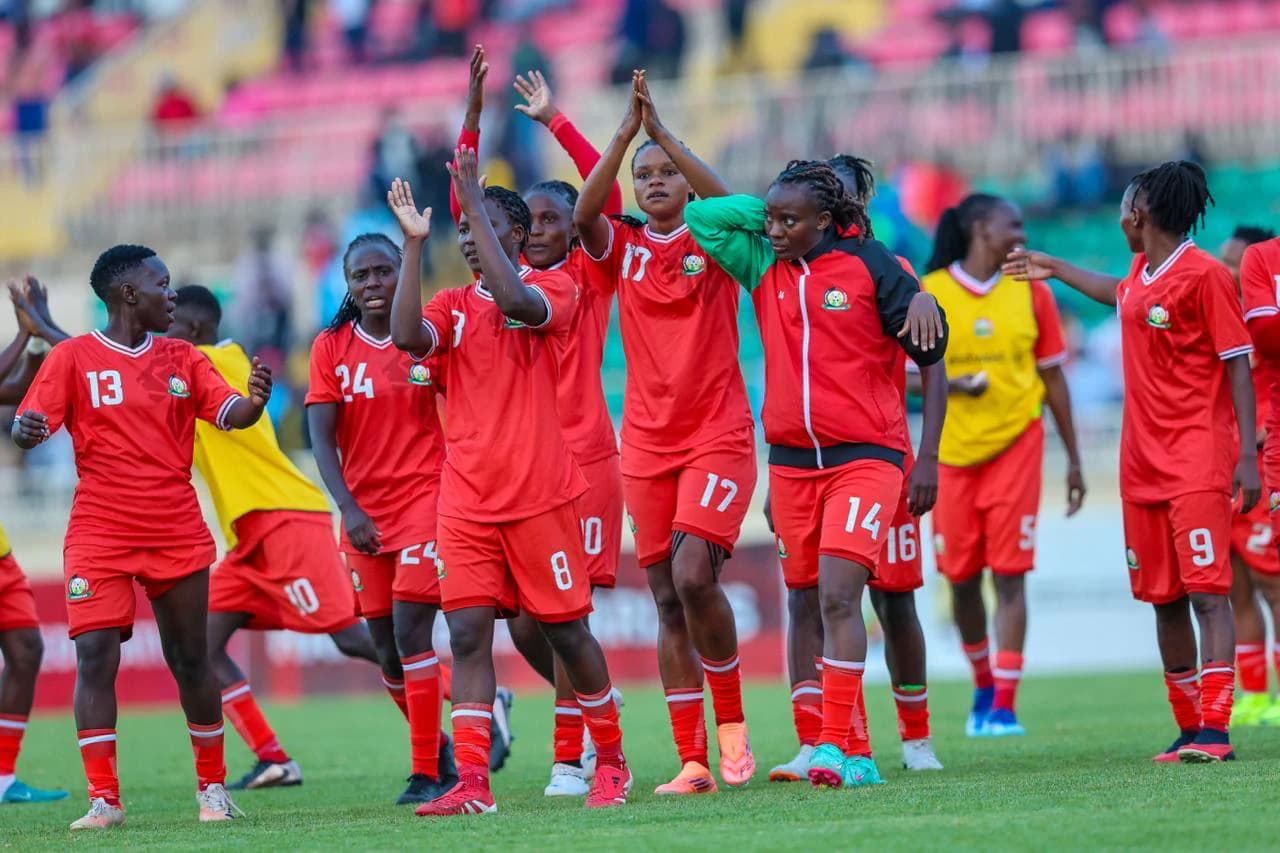
Following the conclusion of the TotalEnergies CAF Women’s Africa Cup of Nations in Rabat, Casablanca and Fez, the question is what happens next: whether the momentum generated by the tournament can translate into sustained investment in women’s football, stronger structures and more opportunities for the next generation of players.
This tournament was much more than sport. It was a moment to spotlight gender equality, inclusion and the changing role of women in African sports.
Women’s football emerges as an investment opportunity
For too long, women’s sports have been seen as charity projects or corporate social responsibility (CSR) boxes to tick, not real investments.
That’s changing. Stadiums are filling, fans are showing up, and real money is finally coming in. The message is clear: women’s football is no longer a side issue; it’s a huge opportunity Africa can’t afford to ignore.
Global revenues from women’s sports are expected to reach at least $3 billion in 2026, an increase of 340 per cent in four years.
In Africa, the true value is still unknown. Most of the investment comes from sports associations, governments and a handful of sponsors.
Ticket sales and big broadcast deals are exceptions, not the rule. So women’s sports here are half-in, half-out: there’s new investment, but plenty of hurdles remain.
Some progress has been made, however. This year, the Confederation of African Football (CAF) doubled Women’s Africa Cup of Nations prize money to $5.8 million, with $2 million for the winners.
Last year, Nigeria’s NWFL Premiership landed its biggest private investment, a ten-year, ₦20 billion partnership, while South Africa’s Women’s League secured a R17 million naming rights deal.
The Women’s Africa Cup of Nations featured 16 teams, and money from television and sponsors went up by 40 per cent.
Matches were shown on more than 100 channels. Real interest grew across the continent. Africa’s fans, young and energetic, followed their teams on platforms such as TikTok and Instagram.
Investment gaps threaten progress
Despite the progress and growing support from fans, challenges remain.
Top female players are leaving for Europe or the United States, where their skills are valued and rewarded.
Without money from television deals or steady support from local fans, women’s sports here will keep relying on outside help and quick fixes.
In South Africa, a few years ago, women’s national team players earned just a tenth of what the men did.
The gap is closing, but it’s not gone. Women are still few in sports leadership roles, and coaching jobs mostly go to men.
But pioneers such as South Africa’s Desiree Ellis and Kenya’s Beldine Odemba show what’s possible when women get a real shot: excellence follows.
Mentorship is central to that possibility.
Behind every player and coach who broke through, there was almost always someone who opened a door, offered guidance or made room at the table.
Formal mentorship programmes, pairing rising talent with experienced players, coaches and administrators, have given young women a clearer path into leadership roles that had long been closed to them.
To turn potential into progress, more is needed than just a few stars.
Governments, sports bodies and private investors must team up by building partnerships and investing in training grounds, leadership, mentorship and the kind of infrastructure that lasts.
Partnerships can unlock lasting opportunities
The private sector can’t afford to sit this out.
New models such as sportswomen-driven content, streaming platforms and direct fan engagement can break old barriers.
Organisations such as Tibu Africa, a leading NGO empowering young people through sport, show how football can drive wider social change by building opportunities and breaking down barriers.
Their work reminds us that every girl deserves a shot at the game and demonstrates the impact that partnerships between the private sector, government and civil society can have.
Governments must make investing in women’s sports worthwhile, guarantee fairness and keep things transparent.
Regional bodies should align standards, share resources and channel funds into grassroots development.
And media matters too: having more women on camera or working behind the scenes changes opinions and gives new role models the chance to shine.
TotalEnergies’ partnership with the Confederation of African Football (CAF) is more than a sponsorship.
It’s a commitment to building African football from the grassroots up, creating lasting opportunities for players, fans and communities.
Supporting CAF helps raise the visibility of women’s football and strengthens the sport as a force for unity and inclusion across the continent.
This investment reflects an alignment of values: sustainable development, community empowerment and celebrating Africa’s potential.
If Africa misses this window, old gaps will widen, and the chance to lead in women’s sports could be lost.
But if we step up now, the rewards are huge: jobs, tourism and growth everywhere you look.
This tournament is more than a trophy. It’s a test of whether Africa will build up its talent or watch it leave.
The final whistle will pick a winner, but what happens next will show whether Africa is ready to make women’s football central to its future.
Isha Johansen is Former CAF Executive Committee member and the first West African woman to serve on the FIFA Council.
Reader Discussion (0)
Sign in to comment