
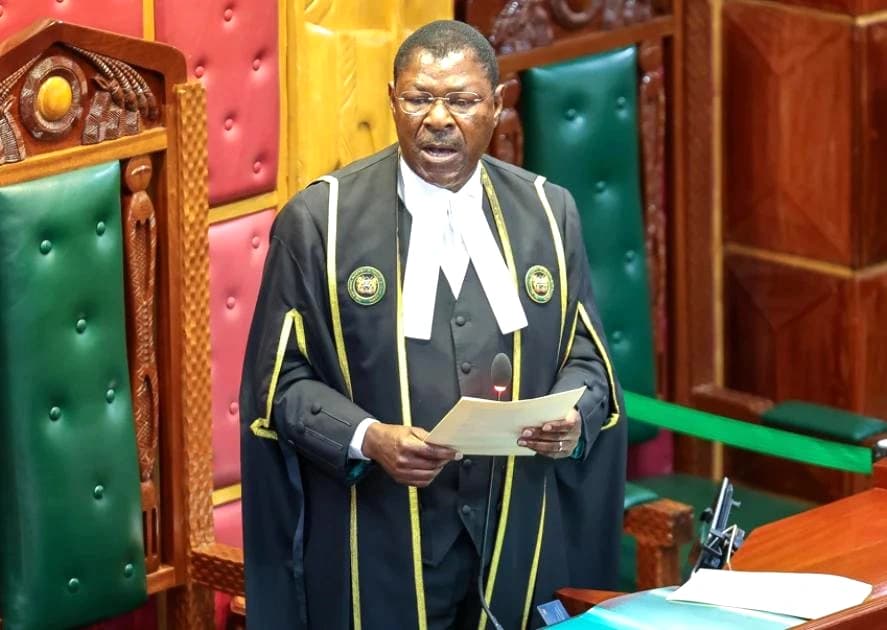


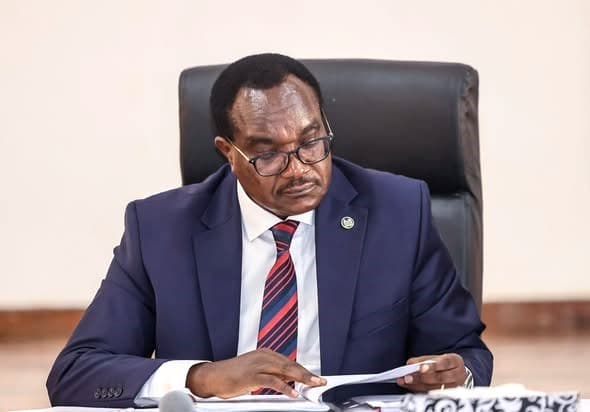
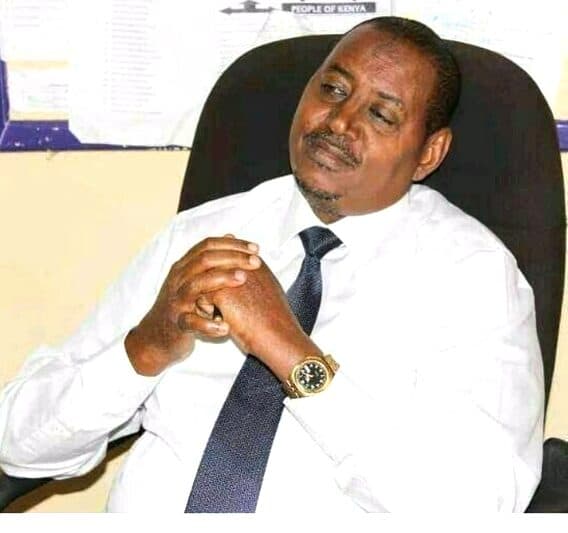
This evening, the Cabinet Secretary for Education, Julius Migos Ogamba, has released the much-awaited School Data Verification Report.
The report exposes discrepancies in learner enrolment records across the country’s public education system.
The findings reveal mismatches between figures captured in the National Education Management Information System (NEMIS) and verified data submitted by schools during a nationwide audit exercise that began on September 1 last year.
Primary schools recorded a negative variance of 885,904 learners compared to NEMIS figures.
Junior Secondary Schools (JSS), on the other nd hand, have shown a positive variance of 543,250 learners.
Secondary schools reflected a discrepancy of 87,730 learners.
“This verification exercise has revealed serious inconsistencies in enrolment data,” Ogamba said during the press briefing.
“Accurate learner data is not optional — it is a legal, financial, and ethical obligation.”
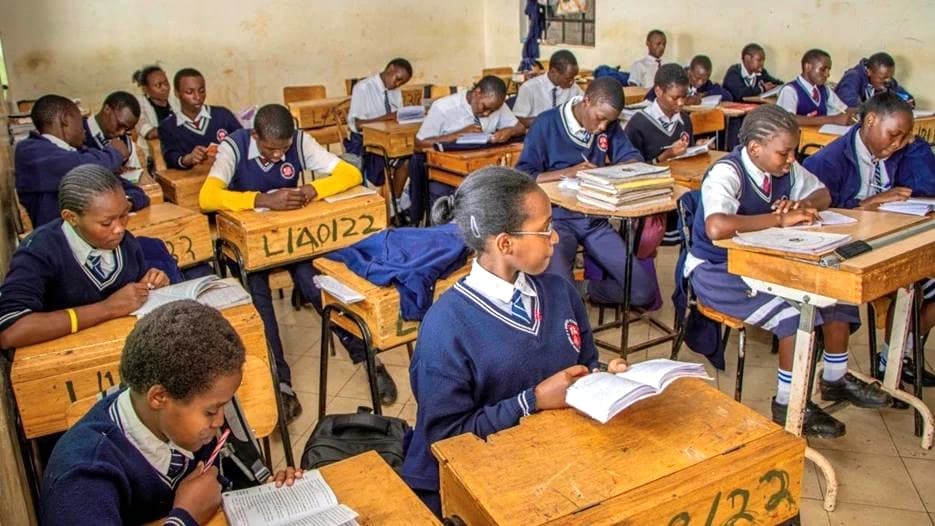
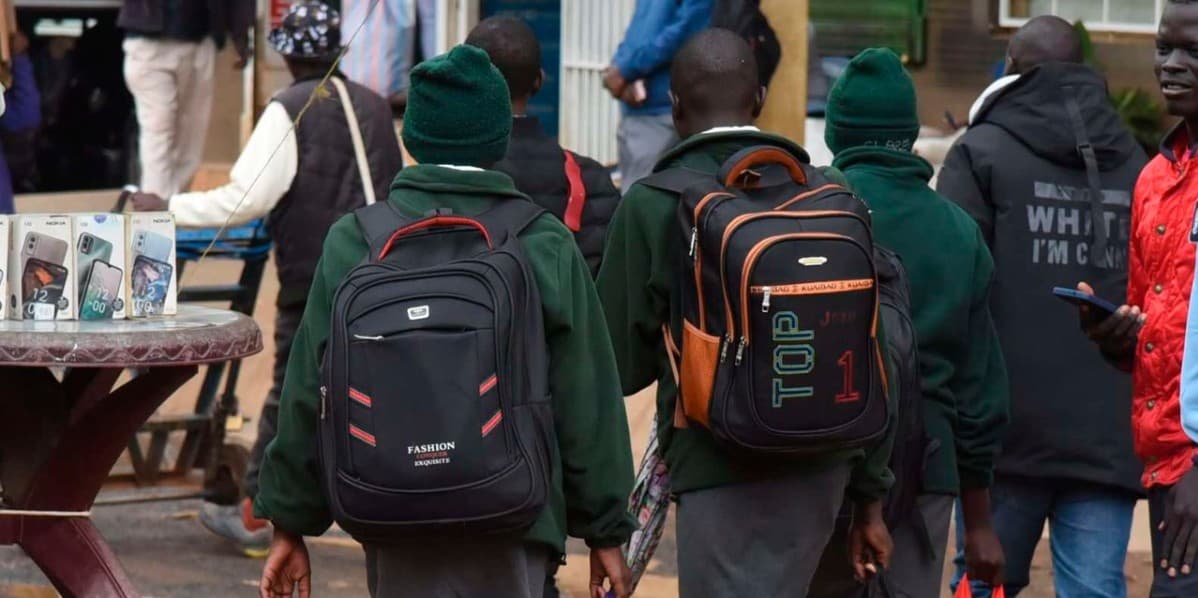
The exercise covered public primary schools, junior schools, secondary schools and special needs institutions across all 47 counties.
It sought to reconcile school-level data submitted by Heads of Institutions (HoIs) with records stored in NEMIS, which forms the basis for government capitation funding.
“The Government allocates billions of shillings annually based strictly on enrolment data,” the CS said.
“If that data is inflated or inaccurate, public resources are misdirected.”
Ogamba described the discrepancies as a wake-up call.
“This report provides the foundation for strengthening the integrity of our education data systems,” he added.
“We must ensure every shilling allocated reaches genuine learners.”
The report also uncovered unauthenticated records, duplicated assessment numbers, invalid Unique Personal Identifiers (UPIs), and mismatched examination centre codes.
“We found cases where learner identities could not be verified,” Ogamba added.
READ ALSO:
https://educationnews.co.ke/audit-reveals-27-closed-schools-still-listed-as-active-in-nemis/
He assured Kenyans that corrective action is already underway.
“We are suspending funding for all unverified learners until proper authentication is completed,” he announced. “Funding will only be restored upon verification.”
“Our intention is not to punish institutions indiscriminately,” he said. “It is to restore discipline, transparency, and credibility in the management of education data.”
The Ministry has now committed to conducting verification on a termly basis to prevent future discrepancies.
“We will not allow a recurrence of systemic data weaknesses,” Ogamba declared.
“Moving forward, verification will be routine, structured, and technology-driven.”
By Joseph Mambili
>>> Click here to stay up-to-date with trending regional stories
>>> Click here to read more informed opinions on the country’s education landscape


Reader Discussion (0)
Sign in to comment