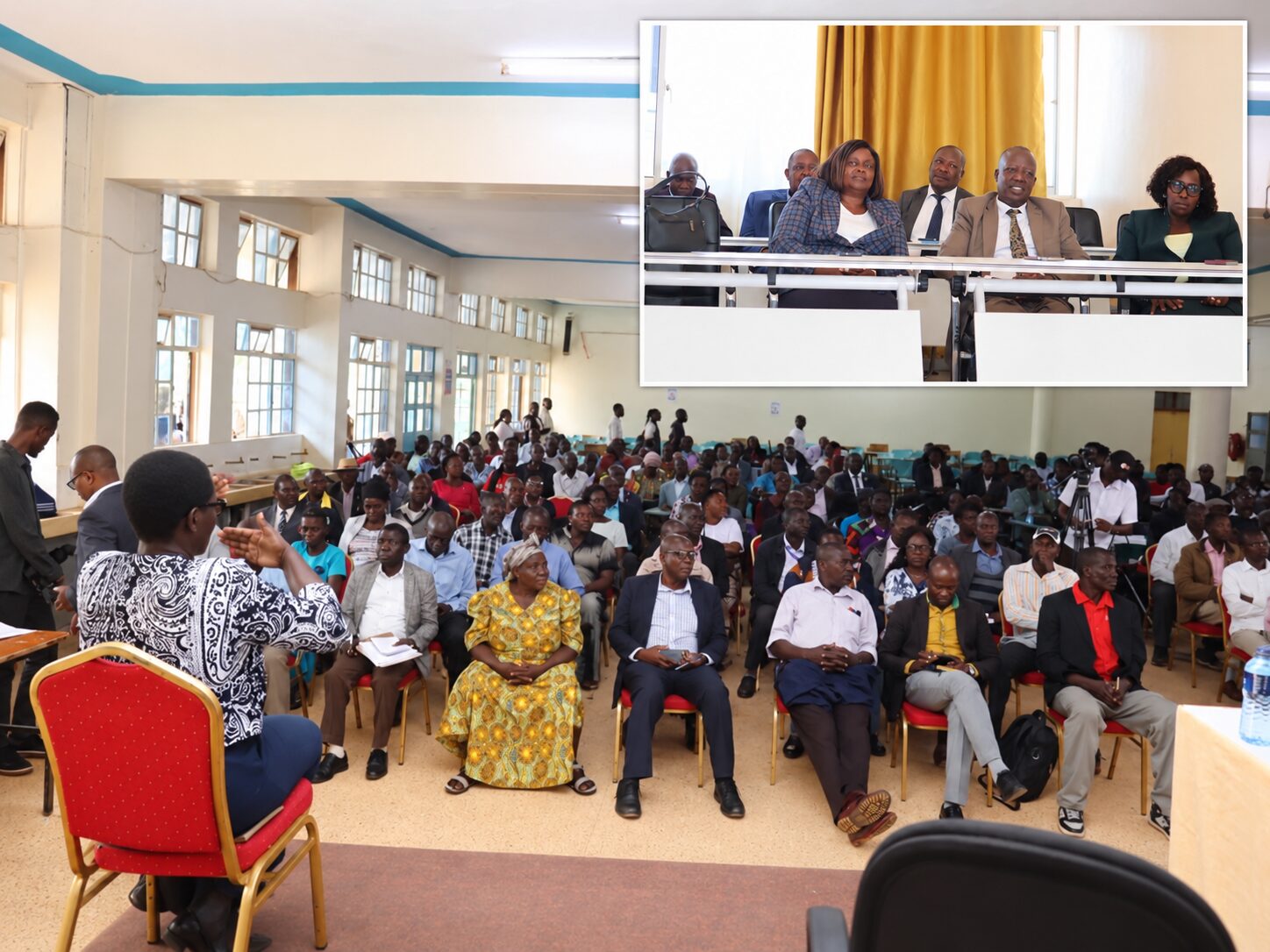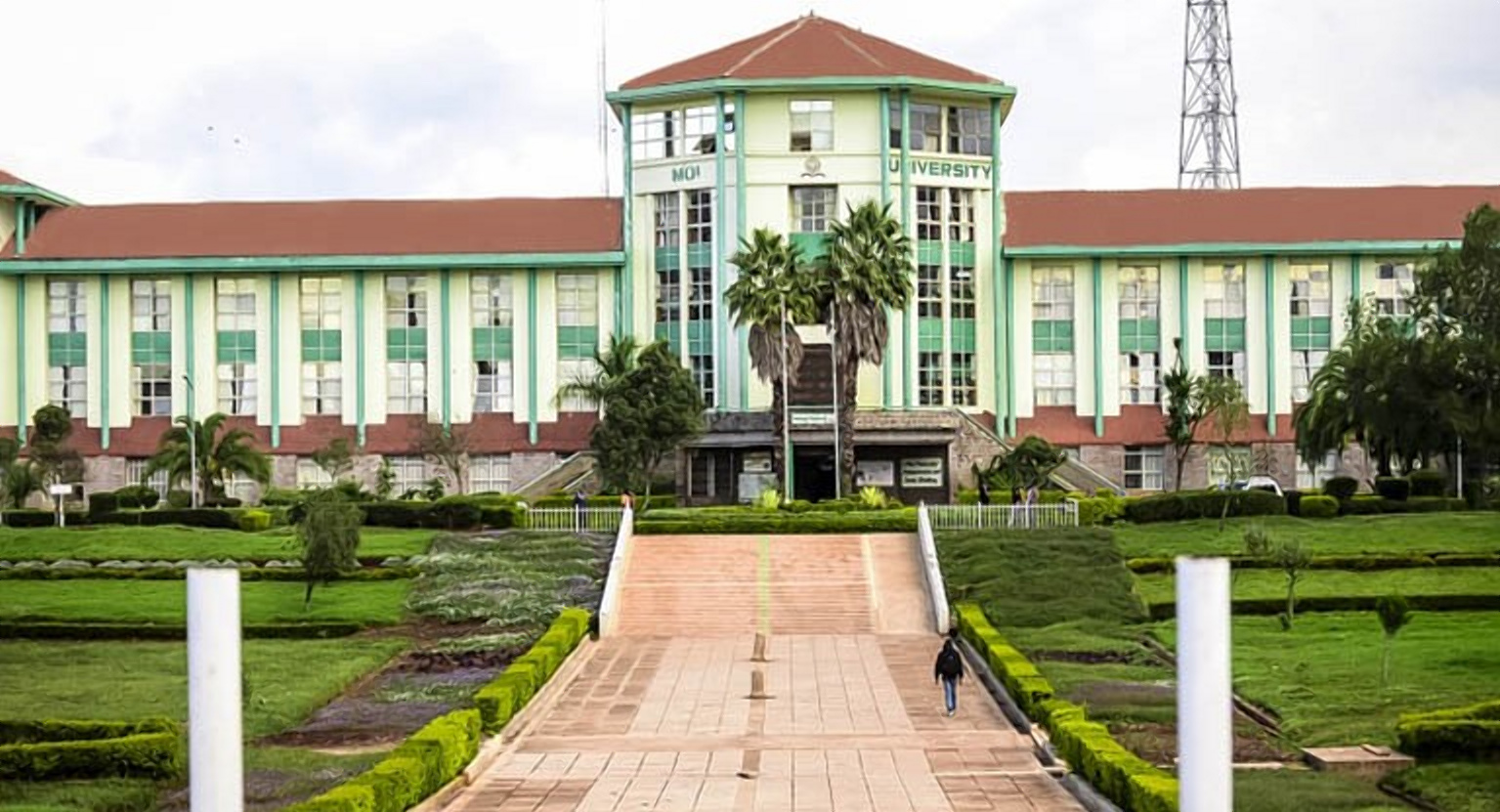
- Hundreds of former Moi University employees have rejected a court-awarded compensation package and have moved to appeal at the Court of Appeal.
- The Employment and Labour Relations Court has upheld the university’s redundancy exercise but has found that management failed to adequately consult employees before implementing it.
- The dismissed workers have appealed to President William Ruto and the national government to intervene in the broader financial crisis facing the institution.
Hundreds of former Moi University employees have rejected a compensation award handed down by the Employment and Labour Relations Court, setting up a fresh legal battle at the Court of Appeal over one of the largest redundancy disputes to hit a Kenyan public university.
The workers, who lost their jobs after the university carried out a controversial staff rationalisation programme, argue that the compensation awarded fails to reflect the financial, emotional and professional losses they have suffered since being declared redundant, and have resolved to challenge the ruling in a higher court.
Justice Maureen Onyango, delivering judgment in the case, upheld the university’s decision to carry out the redundancy exercise, accepting evidence that the institution was in genuine financial distress. The court found that declining student enrolment, shrinking revenue streams, a bloated wage bill and mounting debts had left the university with legitimate operational grounds for restructuring its workforce.
The judge, however, ruled that university management had not fully complied with the legal procedures governing redundancies, finding that employees and their unions were not adequately consulted before the exercise was implemented, in violation of mandatory provisions of Kenya’s labour laws.
As a remedy for the procedural breach, the court awarded each affected employee compensation equivalent to two months’ salary. It stopped short of invalidating the redundancy itself, maintaining that the university had legitimate operational reasons for the workforce cuts.
That outcome has failed to satisfy the dismissed workers. Speaking through their unions, including the Kenya Union of Domestic, Hotels, Educational Institutions, Hospitals and Allied Workers (KUDHEIHA), the former employees say the two-month payout is grossly inadequate when weighed against the hardships they have endured.
ALSO READ:
University hostel cooking rules every fresher should know before reporting to campus
Many of the affected workers say they have spent months battling financial distress since losing their jobs. Some have defaulted on bank loans, struggled to pay school fees for their children, lost medical insurance cover and exhausted their savings while searching unsuccessfully for alternative employment.
Beyond the financial toll, the workers say the retrenchment has inflicted significant emotional and psychological distress on families whose lives were built around stable employment at the university, insisting that two months’ salary cannot reasonably compensate for careers abruptly interrupted after years of dedicated service.
The dispute traces back to an ambitious restructuring programme that Moi University embarked on after years of worsening financial instability. University management argued that the institution could no longer sustain its existing workforce amid declining student admissions, reduced government funding and escalating operational costs.
At one stage, the university announced plans to declare nearly 900 academic and non-teaching staff redundant, in what became one of the largest workforce reductions ever undertaken by a public university in Kenya.
The announcement triggered fierce resistance from workers’ unions, among them the Universities Academic Staff Union (UASU) and the Kenya University Staff Union (KUSU), which accused the university of violating labour laws by issuing redundancy notices before exhausting mandatory consultations.
The matter eventually landed in court, where judges repeatedly emphasised that while employers retain the legal right to reorganise their operations, redundancy exercises must strictly comply with statutory procedures designed to protect employees from unfair dismissal. Earlier court orders had required Moi University to withdraw redundancy letters after management was found to have acted prematurely while court-directed negotiations were still under way, forcing the institution to restart the process under revised procedures that culminated in the recent judgment.
University management has consistently defended the restructuring, arguing that it is essential for the institution’s survival. Officials say the wage bill had become unsustainable, consuming a significant share of available resources and leaving insufficient funds for teaching, research, infrastructure development and student services.
Acting Vice-Chancellor Prof. Kiplagat Kotut has previously indicated that the rationalisation programme could significantly reduce monthly expenditure, freeing up resources to stabilise the university’s finances and improve service delivery.
The redundancy row unfolds against a backdrop of broader financial troubles that have plagued Moi University for several years, including delayed salaries, accumulated debts running into billions of shillings, stalled infrastructure projects and declining student enrolment. The institution recently secured a reprieve after a contractor withdrew a court case seeking more than Sh1 billion over a stalled construction project, though its financial recovery remains an ongoing challenge.
For the affected workers, the ruling represents only a partial victory. While the judgment confirmed that their rights were violated during the redundancy process, they maintain that genuine justice can only be achieved through enhanced compensation that adequately reflects the hardships they have experienced. They are also appealing to President William Ruto and the national government to intervene, arguing that the crisis facing Moi University extends beyond the courtroom and requires a comprehensive solution that safeguards both the institution’s financial sustainability and the welfare of its workforce.
ALSO READ: Keep moving forward: Martin Luther King Jr.’s lesson for learners in third term
Labour experts say the appeal is likely to attract national attention, as it could set important legal precedents on how financially distressed public institutions should conduct redundancy exercises while balancing organisational survival against employees’ constitutional and statutory rights. The outcome may ultimately shape employment practices not only in public universities but across the wider public sector, where many institutions continue to grapple with budget constraints, rising operational costs and mounting pressure to streamline their workforces.
As the matter heads to the Court of Appeal, both the university administration and the former employees remain locked in a dispute whose outcome could redefine the relationship between financial restructuring and workers’ rights in Kenya’s higher education sector.
By Hillary Muhalya
You can also follow our social media pages on Twitter: Education News KE and Facebook: Education News Newspaper for timely updates.
>>> Click here to stay up-to-date with trending regional stories
>>> Click here to read more informed opinions on the country’s education landscape