The Ministry of Education (MoE) has called on private schools to strengthen quality assurance systems and invest more heavily in teacher development as Kenya advances the rollout of the Competency-Based Education (CBE) curriculum.
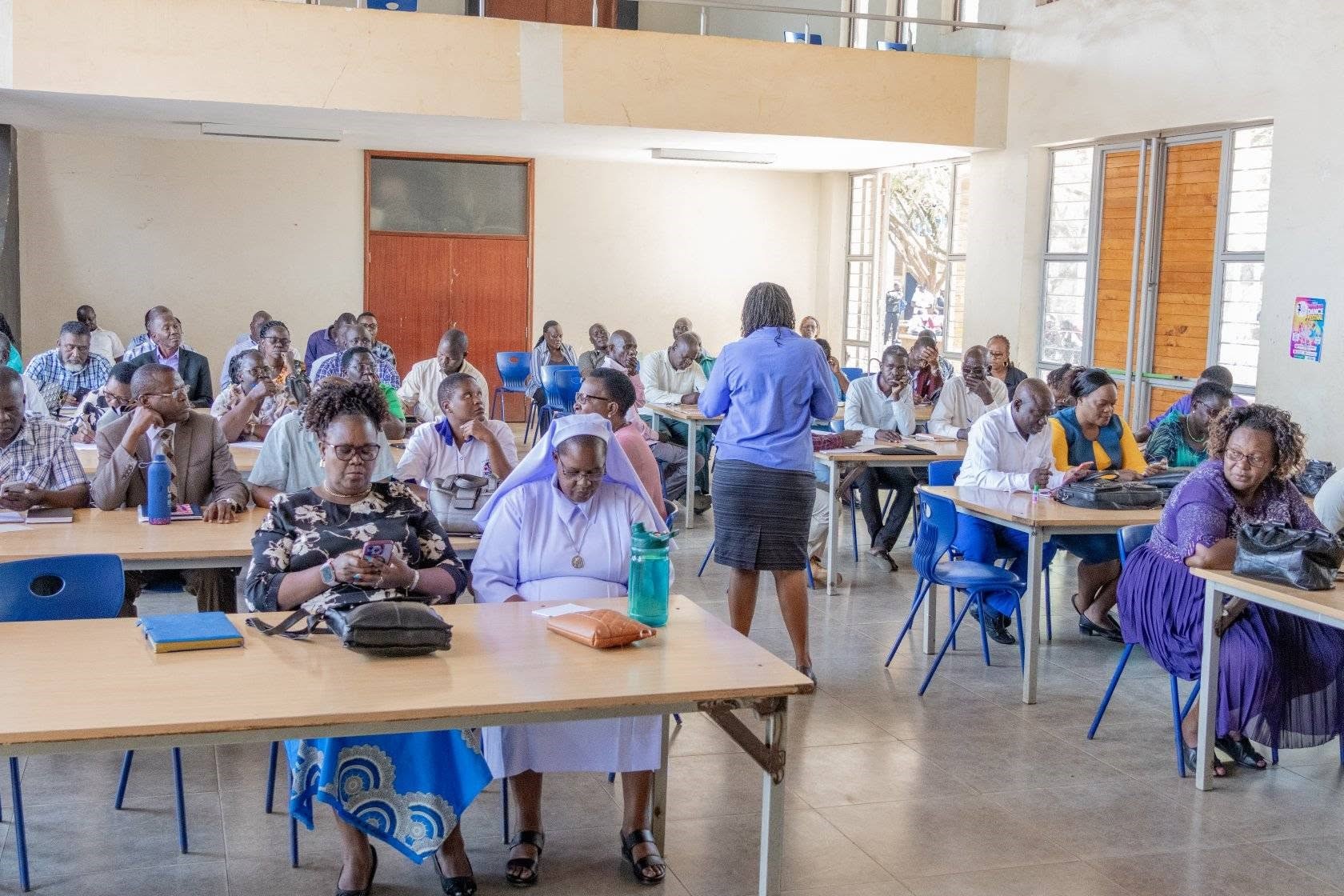
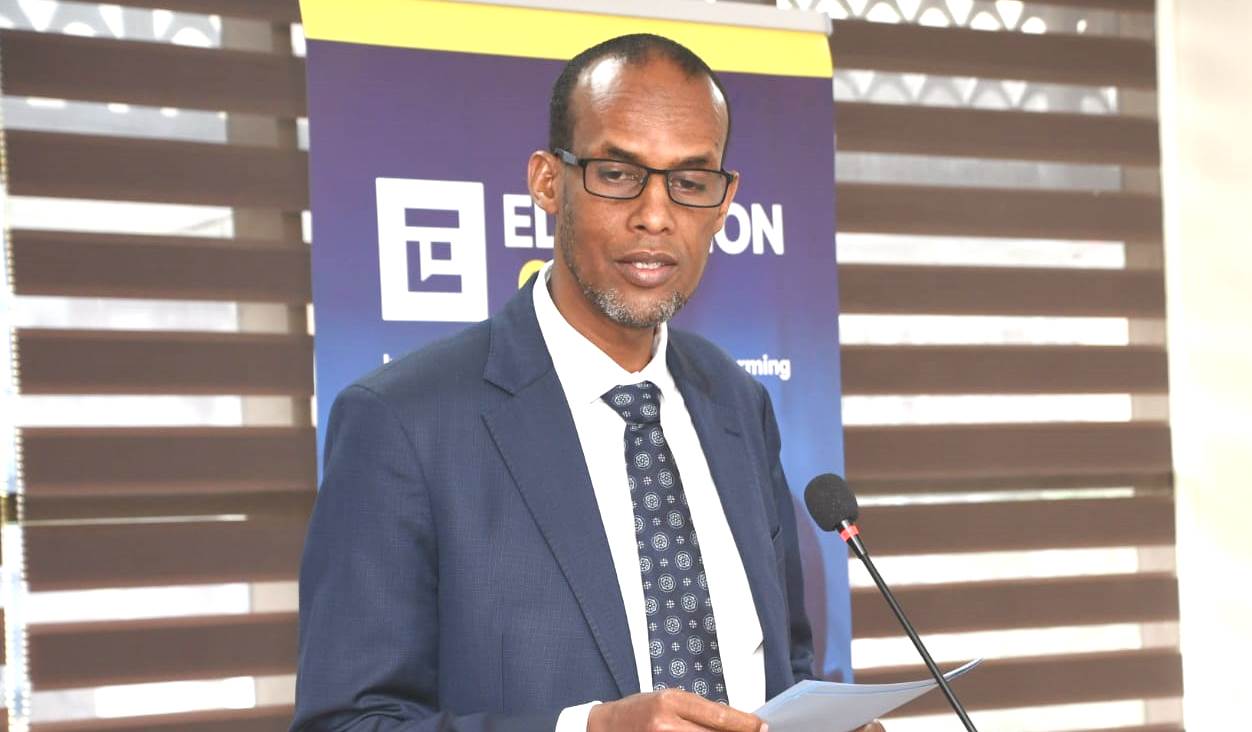
Speaking at the official opening of the Kenya Private Schools Association (KPSA) annual conference in Mombasa, Education Director General Elyas Abdi, said institutions must prioritise hiring properly registered teachers and expand continuous professional training to keep pace with ongoing reforms.
He described the current phase as a critical transition in the country’s education system under the CBE framework.
He acknowledged the role private schools continue to play in supporting reforms through investments in infrastructure, teacher preparedness and institutional capacity. However, he stressed the need for sustained and deliberate investment in in-service teacher training to ensure effective curriculum delivery.
Abdi also urged closer collaboration between schools and key institutions such as the Kenya National Examinations Council and the Kenya Institute of Curriculum Development to strengthen implementation and enhance capacity building.
ALSO READ:
He further called on private institutions to reinforce internal quality assurance mechanisms to monitor lesson delivery, ensure infrastructure safety and maintain compliance with regulatory standards.
At the same time, he cautioned against the use of unapproved learning materials, warning that some contain factual inaccuracies that could negatively affect learning outcomes.
While noting the continued expansion of private education, Abdi emphasised that growth must remain aligned with national priorities and regulatory frameworks to safeguard the integrity of the education system.
He added that rising enrolment numbers demand increased investment in facilities, teaching resources and teacher development to ensure inclusive learning for all students.
Teacher retention remains a significant concern, he said, warning that frequent staff turnover disrupts continuity in learning.
“If a learner studies mathematics under CBE for three years with 10 different teachers, it inevitably affects outcomes,” he noted.
Abdi also raised concerns about child welfare in some private schools, citing cases of excessively early pick-up times and late drop-offs. He pointed to instances—particularly in Nairobi—where pre-primary pupils are collected as early as 5am and older learners dropped home as late as 9pm.
“When a four-year-old in PP1 or a five-year-old in PP2 is waiting in the cold at such hours, we must question whether we are adhering to basic education regulations,” he said.
He challenged school operators to look beyond commercial interests and prioritise learner welfare and protection.
KPSA chairman Charles Ochome also addressed the conference, urging private schools to demonstrate bold leadership in navigating the evolving education landscape.
He said this would require difficult decision-making, innovation and resilience, adding that quality in education must remain uncompromised across teaching, infrastructure and learner development.
“Every learner entrusted to our care deserves the highest standards,” he said.
By Juma Ndigo
You can also follow our social media pages on Twitter: Education News KE and Facebook: Education News Newspaper for timely updates.
>>> Click here to stay up-to-date with trending regional stories
>>> Click here to read more informed opinions on the country’s education landscape