- Former First Lady Margaret Kenyatta has engaged the latest beneficiaries of the Beyond Zero Nursing Scholarship Programme.
- Hillary Muhalya examines how the KMTC partnership links education opportunities with healthcare needs in underserved communities.
- The 2026/27 beneficiaries will receive full scholarships for a two-year Certificate in Community Health Nursing programme.
A new generation of Kenyan nurses is beginning its professional journey through a scholarship programme designed to take health training opportunities closer to communities that have historically faced shortages of skilled healthcare workers.
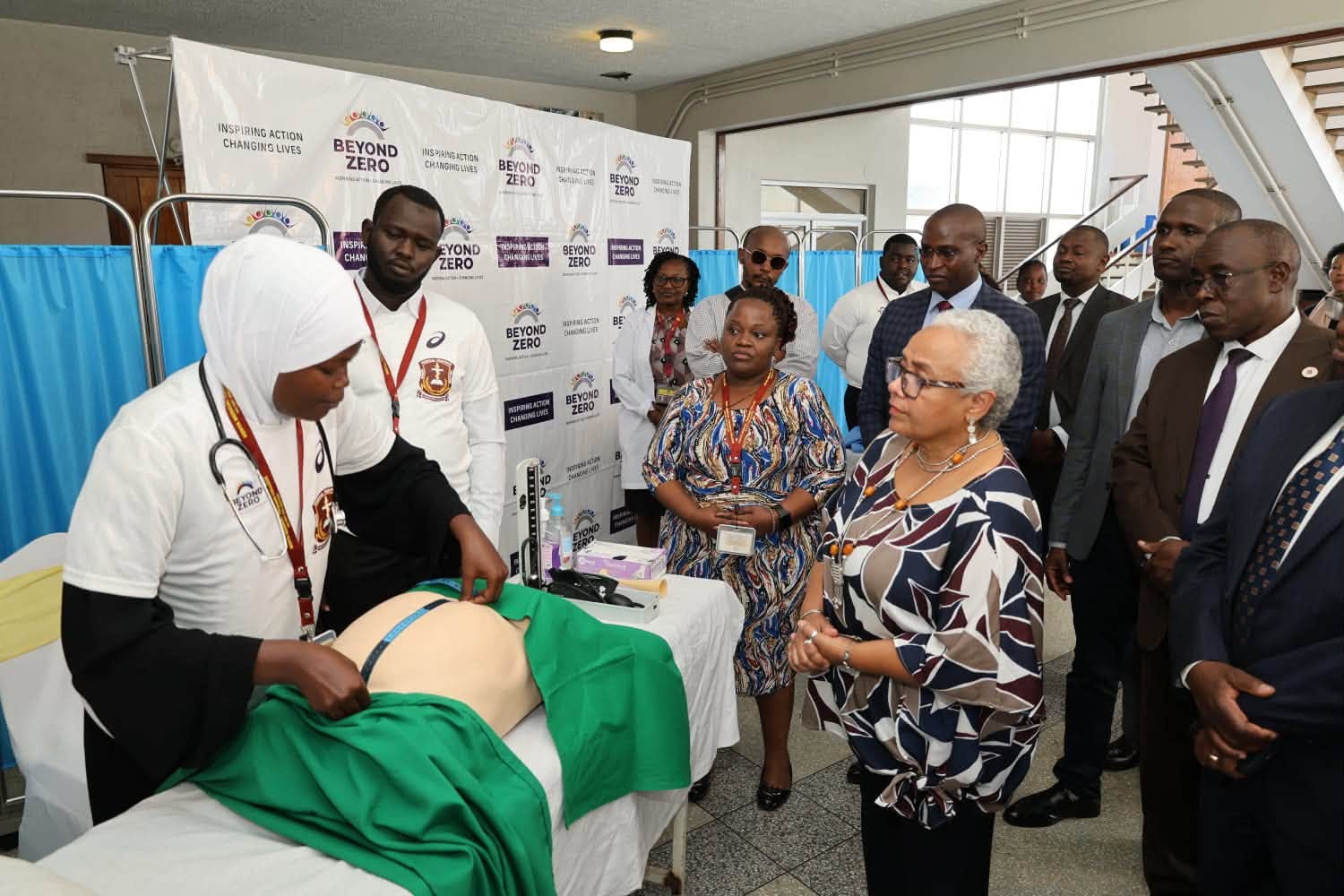
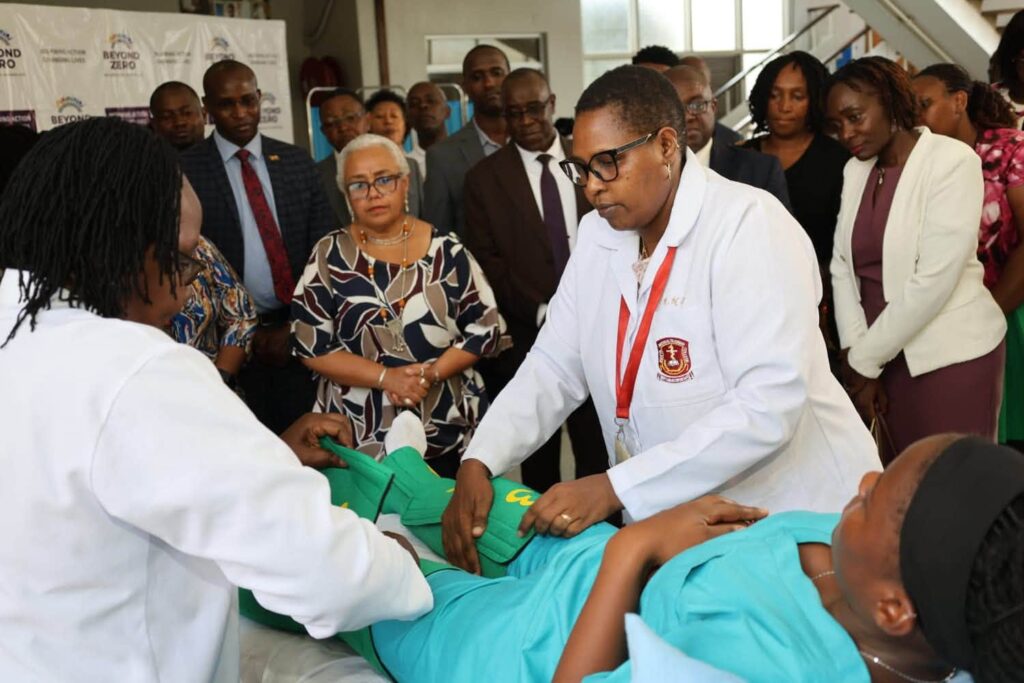
Former First Lady and Beyond Zero patron Margaret Kenyatta on Friday attended the 2026 Beyond Zero Nursing Scholarship Cohort Engagement at the Kenya Medical Training College (KMTC) headquarters and Nairobi Campus, marking the beginning of a new cohort of beneficiaries.
The 2026/27 beneficiaries will undertake a two-year Certificate in Community Health Nursing programme under full scholarships provided through the KMTC–Beyond Zero partnership.
The programme gives particular priority to qualified young people from Arid and Semi-Arid Lands (ASAL) counties, underserved minority communities and Vulnerable and Marginalised Groups (VMGs). Female candidates have also been strongly encouraged to apply.
The scholarship therefore represents more than assistance with tuition. Its underlying model is to connect access to education with the country’s need for a larger and more equitably distributed health workforce.
The Beyond Zero Nursing Scholarship Fund was established in 2016 and has been implemented in partnership with KMTC and other health-sector stakeholders to strengthen community-level healthcare capacity.
Historical programme records show that earlier cohorts were drawn heavily from ASAL counties and other underserved populations, with beneficiaries trained in community health nursing at selected KMTC campuses.
The programme has also had a particular focus on maternal, newborn and child health and primary healthcare.
This creates an important education-to-employment pathway.
A learner who might otherwise have been unable to proceed with post-secondary education because of financial constraints can receive professional training, acquire clinical skills and eventually return to serve communities where healthcare personnel are needed.
The emphasis on beneficiaries serving their communities after graduation is therefore central to the scholarship model. The 2026/27 scholarship advertisement specifically required applicants to demonstrate how they intended to contribute to improving health in their communities after completing the course.
The geographical focus is significant.
Many ASAL and remote communities face distinctive challenges in accessing essential services, including distance to health facilities and difficulties in attracting and retaining skilled personnel.
Earlier Beyond Zero programme documentation recorded examples of beneficiaries serving in remote areas and contributing to primary healthcare services, including maternal care, immunisation, health education and community outreach.
The approach also illustrates a broader principle in public-sector education: where a learner comes from can influence where professional capacity eventually becomes available.
Training young people from underserved communities can create a workforce with stronger links to the populations that need those services.
KMTC’s role
KMTC provides the institutional training platform through which the scholarship translates financial support into professional qualifications.
The 2026 scholarship programme was advertised jointly through the KMTC–Beyond Zero partnership, with successful applicants beginning their two-year training in September 2026.
The significance of the partnership extends beyond individual scholarships.
Previous programme records indicate that investment associated with the nursing scholarship initiative also supported learning infrastructure, equipment and training capacity at selected KMTC campuses.
This means the impact can potentially extend beyond the individual beneficiaries to the institutions and communities around them.
For the beneficiaries, however, the scholarship is only the beginning.
The immediate qualification provides entry into the nursing profession, while the professional experience acquired afterwards can create opportunities for further training and career development.
That makes the scholarship part of a wider human-capital investment rather than simply a fee-paying arrangement.
The bigger question for Kenya is what happens after training: whether counties and other health employers can create sufficient opportunities to absorb qualified nurses and whether trained personnel can be retained in the areas where shortages are most acute.
Earlier Beyond Zero programme records reported that a significant number of previous beneficiaries had subsequently been employed by national and county governments, particularly in primary healthcare.
From scholarship to health system capacity
The 2026 cohort therefore enters KMTC at a point when Kenya continues to place considerable emphasis on strengthening healthcare delivery at community and primary-care levels.
The scholarship model connects three issues that are often discussed separately: access to education, professional training and access to healthcare.
For a financially constrained learner from a remote or underserved community, the scholarship can remove the immediate barrier of training costs.
For KMTC, it creates another cohort of students entering a specialised health-training pathway.
For communities, the intended long-term benefit is a larger pool of trained health professionals capable of delivering services closer to where people live.
That is the larger significance of the engagement attended by Margaret Kenyatta: the event was not simply about welcoming a new class of students, but about continuing an education pathway designed to convert opportunity into professional capacity and, ultimately, community health services.
READ ALSO: Simon Kathumo Foundation pledges scholarships, skills training for Matungulu youth
The success of that model will ultimately depend not only on how many students are trained, but also on how effectively Kenya retains, deploys and supports the health workers produced through such investments.
By Hillary Muhalya
Get more stories from our website: Education News
To write to us or offer feedback, you can reach us at: editor@educationnews.co.ke
You can also follow our social media pages on Twitter: Education News KE and Facebook: Education News Newspaper for timely updates.
>> Click here to stay up-to-date with trending regional stories