- Kisii and Kericho stakeholders seek clarity on proposed JSS reforms
- Education groups differ over the comprehensive school model
- Stakeholders call for changes to school governance and funding
Residents and education stakeholders in Kisii and Kericho counties have called for greater clarity on the proposed Junior Secondary School (JSS) and comprehensive school models as Parliament gathers views on reforms to the country’s basic education system.
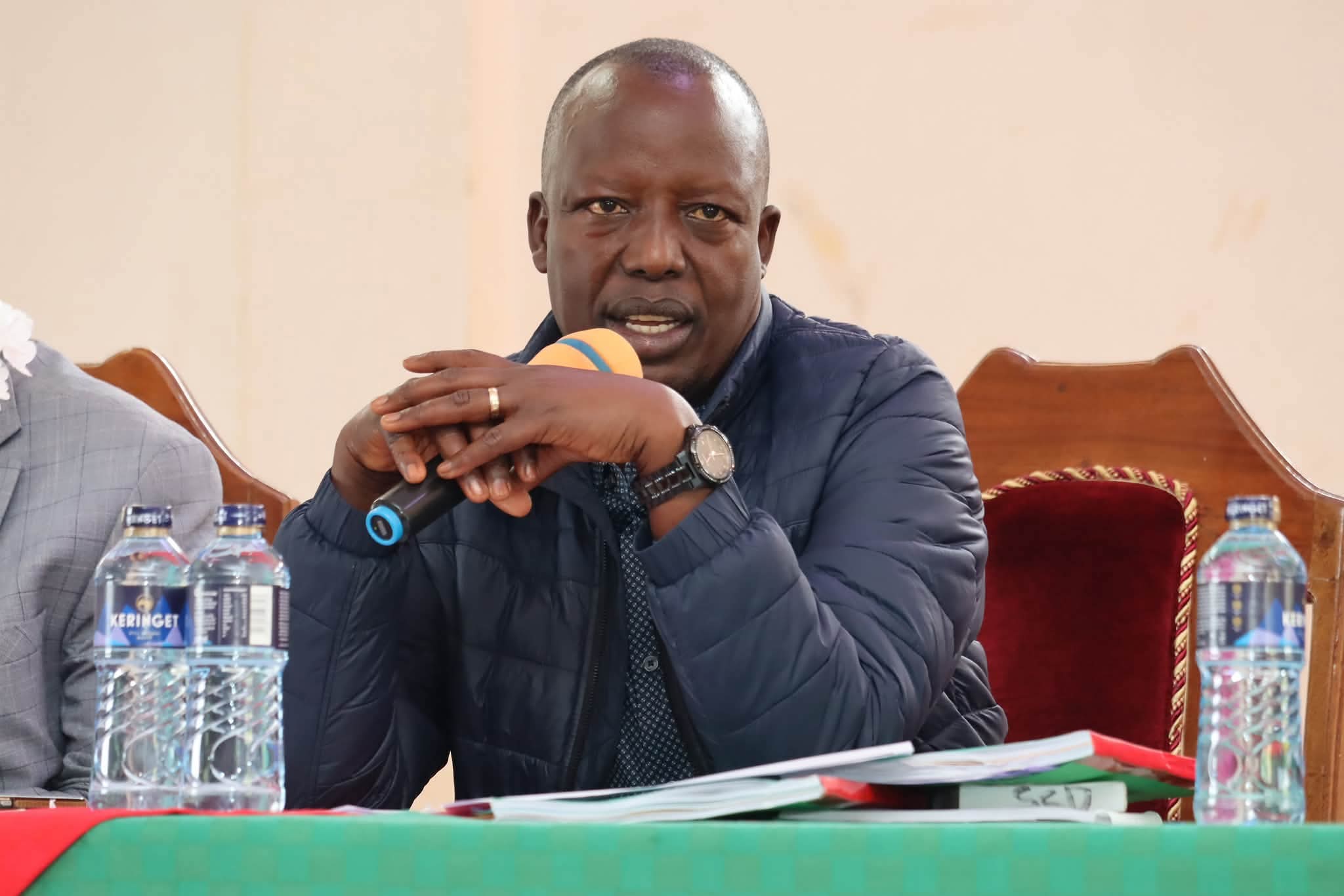
The concerns emerged on Thursday during public participation forums conducted by the National Assembly Education Committee, which sought views on the proposed Education Reform Bills arising from recommendations of the Presidential Working Party on Education Reform.
Led by Tinderet MP Julius Melly, the committee delegation heard submissions from teachers’ unions, school heads, parents’ representatives and education institutions in the two counties.
In Kisii, the Kenya Union of Post Primary Education Teachers (KUPPET) pushed for JSS to be established as an autonomous institution with its own governance structures.
The union also called for separate Boards of Management for different levels of education, while urging Parliament to retain teacher representation in school boards.
KUPPET further opposed proposals that would prohibit teachers from taking industrial action, arguing that teachers should retain their rights as provided for in law.
By contrast, the Kenya Primary School Heads Association (KEPSHA) backed the comprehensive school model, saying it would enhance continuity in learning, ease transition of learners and promote accountability and efficient utilisation of school resources.
READ:
TSC takes teacher promotion verification to grassroots as WTD awards process gathers pace
Meanwhile, the National Parents Association called for stronger involvement of parents in the management of schools and urged Parliament to provide for parental empowerment and engagement in the Basic Education Bill. The association proposed establishing a dedicated fund to support parents’ associations.
Stakeholders also called for increased capitation for both public and private schools, alongside enhanced support for learners with special educational needs.
Additionally, the Centre for Mathematics, Science and Technology Education in Africa (CEMASTEA) asked Parliament to anchor its mandate of providing in-service training for teachers in law.
The Kenya Education Management Institute (KEMI), for its part, proposed being transformed into the Kenya School of Education.
In neighbouring Kericho County, KUPPET maintained its call for JSS to be recognised as a distinct and autonomous institution.
The union argued that JSS and primary schools sharing infrastructure should not be interpreted as a merger of the two institutions.
“Sharing a compound does not mean institutions are merged,” the union said, calling for separate governance structures and a distinct principal for JSS.
However, the Kenya County Secondary School Heads Association (KECSHA) supported strengthening the comprehensive school model, citing continuity and better utilisation of available infrastructure and resources.
Financing of education also emerged as a major concern in Kericho, with stakeholders calling for increased capitation and timely release of government funds to schools. They also urged the government to ensure that learners in both public and private institutions receive adequate support.
Separately, Kabianga University proposed extending the grace period for repayment of student loans to three years, saying graduates should be given more time before beginning repayment.
The committee assured stakeholders that their views and recommendations would be considered and incorporated into its report as Parliament continues weighing the proposed education reforms.
The public participation forums form part of the legislative process aimed at gathering Kenyans’ views before the proposed changes to the education system proceed further in Parliament.