








Deputy President Kithure Kindiki has declared the country’s growing youth population a “resource for national transformation,” reaffirming the government’s aggressive strategy to turn the “youth bulge” into an economic engine through massive investments in education and job creation.
Speaking in Kikuyu Constituency during a graduation ceremony for 1,880 young Kenyans, Prof. Kindiki detailed a multi-billion shilling roadmap designed to bridge the gap between classroom learning and the modern labor market.
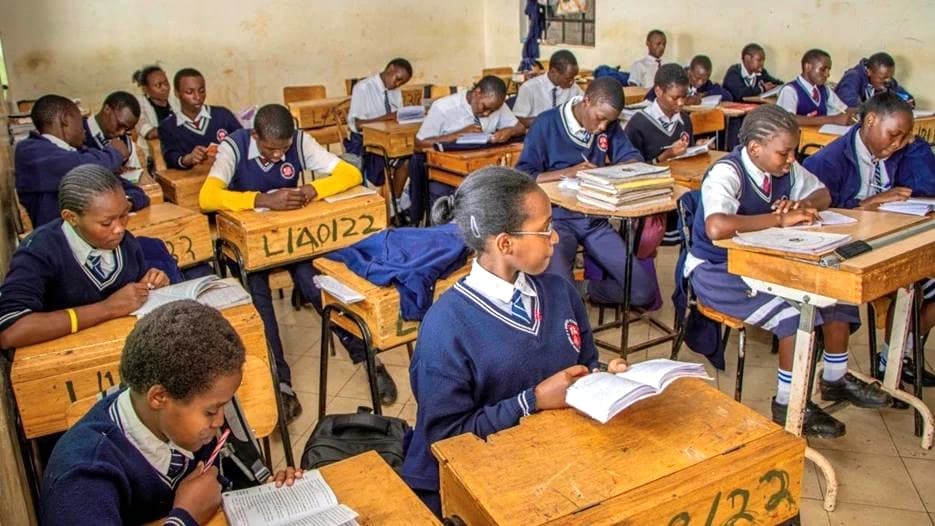
The Deputy President highlighted a dramatic shift in fiscal priorities, noting that the national education budget has surged by over 50% in just four years—climbing from KSh 500 billion in 2022 to a projected KSh 765 billion for the 2026/27 financial year.
According to Prof. Kindiki, this capital injection has facilitated the recruitment of 100,000 new teachers to address chronic shortages.
The construction of 23,000 classrooms and 1,600 state-of-the-art laboratories and a massive spike in technical enrollment, which has jumped from 297,000 to over 718,000 students.
“The government is deliberately structured to ensure young people are not only skilled but also connected to real economic opportunities,” the Deputy President stated, pointing to the new student-centered university funding model as a cornerstone of equity.
ALSO READ:
https://educationnews.co.ke/study-exposes-deep-rooted-gender-inequality-and-violence-in-narok-county/
Addressing the urgent issue of unemployment, Prof. Kindiki outlined three primary pillars that have collectively generated over one million opportunities for the youth which include kazi kwa ground under the housing, markets and infrastructure sector where 550, 000 opportunities have been crated.
Kazi majuu under overseas labor placement sector, 540,000 job opportunities have been created and jitume labs under digital jobs and ICT hubs sector has created 300,000 opportunities.
Prof. Kindiki emphasized that the 382 operational Jitume Labs across the country are vital in transitioning the workforce into the global digital economy.
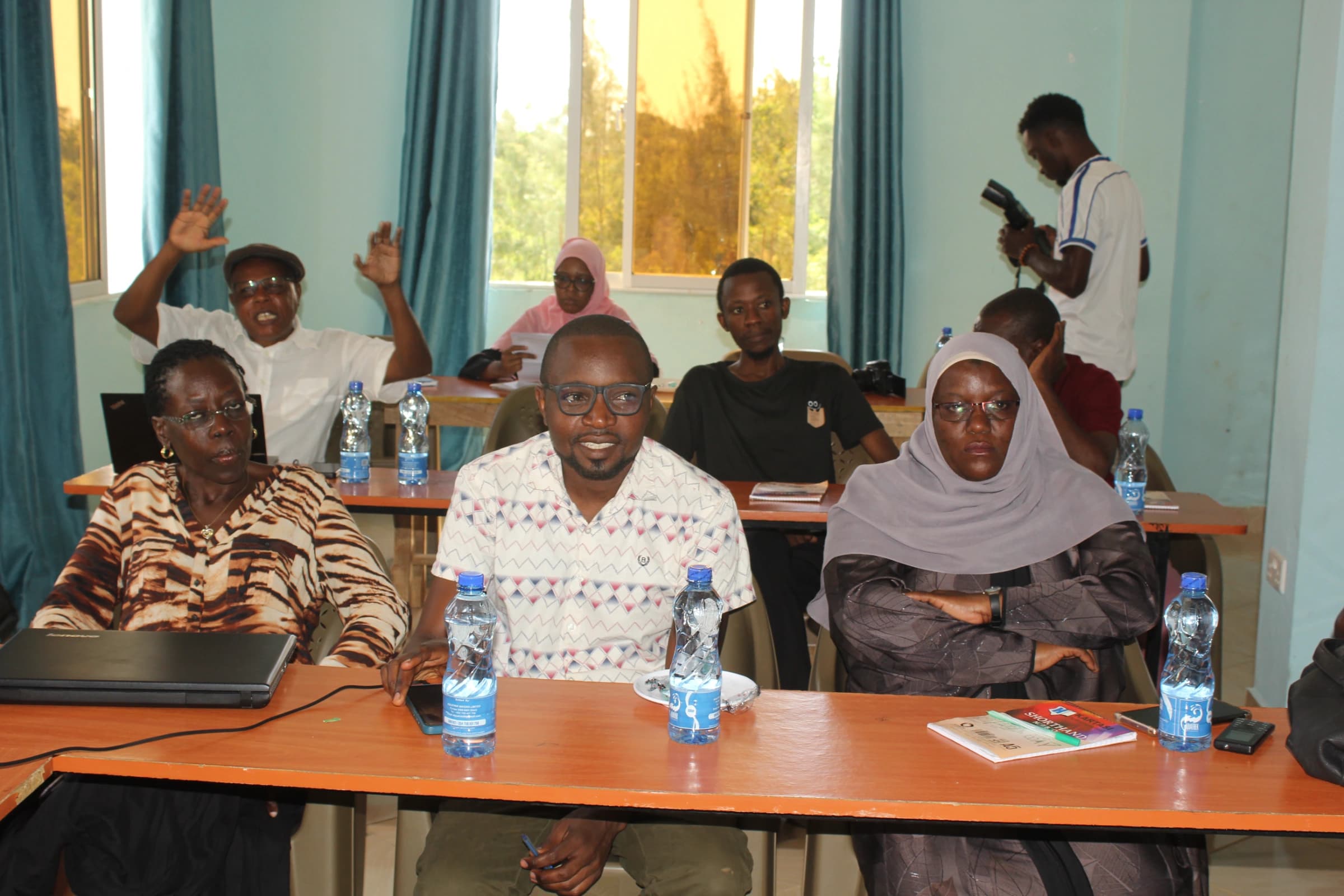
The ceremony celebrated 1,880 graduates who completed vocational training in high-demand fields including masonry, plumbing, digital electronics, and coffee blending. The program, funded by the Kikuyu National Government Constituency Development Fund (NG-CDF), serves as a model for local-level empowerment.
National Assembly Majority Leader and Kikuyu MP Kimani Ichung’wah praised the initiative, noting that the graduates are now “job-ready” entrepreneurs.
ALSO READ:
https://educationnews.co.ke/ngo-shares-insights-as-kenya-pushes-for-shift-to-family-based-child-care/
“This ceremony underscores our dedication to empowering young people through technical training. These graduands are now better prepared to enter the workforce or start their own enterprises,” Ichung’wah said.
The event was attended by several high-profile leaders, including MPs Alice Ng’ang’a (Thika Town), Elijah Njoroge Kururia (Gatundu North), and Gathoni Wamuchomba (Githunguri), who all echoed the sentiment that technical skills remain the most potent weapon against youth unemployment.
As the government moves into the 2026/27 financial cycle, the focus remains on aligning the national curriculum with evolving market demands to ensure that Kenya’s human capital remains competitive both locally and internationally.
By Felix Wanderi
You can also follow our social media pages on Twitter: Education News KE and Facebook: Education News Newspaper for timely updates.
>>> Click here to stay up-to-date with trending regional stories
>>> Click here to read more informed opinions on the country’s education landscape
>>> Click here to stay ahead with the latest national news.




Reader Discussion (0)
Sign in to comment